
Apparel Manufacturing
Why Buyers Choose This Garment Exporter in Bangladesh
Buyers choose Huraira Fashion for practical reasons: clothing made only to order, a sample in the real fabric approved before bulk, checking at every stage, and one merchandising contact who answers for the whole programme from costing to export documents.
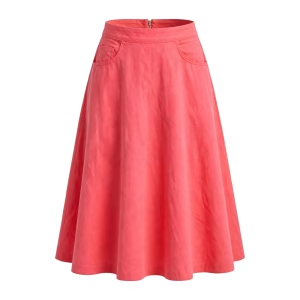
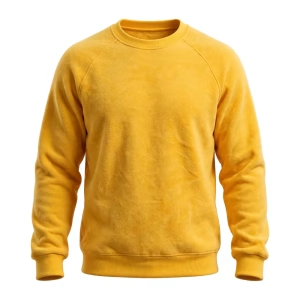
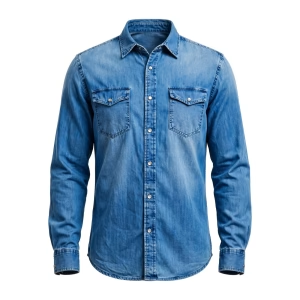
- Materials: Cotton jersey, pique, fleece, french terry, denim and twill, bought against your order and inspected before cutting, never substituted quietly.
- Functionality: Development, sampling, production, checking and export packing handled as one programme by one team, with progress photographs while your order runs.
- Size: Programmes from 3,000 pieces per order, two or three styles on one fabric type, graded to your own size chart and checked against it before packing.
- Customization: Your label, your tags, your print and your carton format on every piece, with the supplier's name appearing nowhere on your goods.
Simply The Best
PORTFOLIOS
Product Details
Why Buyers Choose This Garment Exporter in Bangladesh
Why Buyers Choose This Garment Exporter in Bangladesh
A buyer choosing a clothing partner in Bangladesh is not short of options, and most of them describe themselves in the same words. This page takes a different approach: it sets out the practical reasons buyers give for placing a programme with Huraira Fashion and staying with the company, each one tied to something a buyer can check before committing. Nothing here asks to be believed on its own. Every point below can be tested with one sample order, which is exactly how most of the company’s long relationships started.
- Made to order only, with nothing sold from stock or off a shelf
- A physical sample in the real fabric approved before any bulk sewing
- One merchandising contact answerable for the whole programme
- Checking at every stage, with faults returned to that stage, not packed
One Partner From Tech Pack to Shipment
Many supply arrangements split an order across several hands: one desk takes the enquiry, another arranges production, a third handles documents, and when something slips, each hand points at the next. A programme placed with Huraira Fashion stays with one merchandising team from the first costing to the export paperwork. The person who read the tech pack is the person who answers questions during production and signs off the packing list, so nothing about the buyer’s intention gets lost between desks.
That single point of responsibility matters most when something changes mid-order, as it often does: a colour added, a size ratio adjusted, a delivery split into two shipments. The buyer explains the change once, to the person who already holds the whole picture, and hears in the same conversation what the change does to the schedule and the price. There is no re-briefing of a new desk and no version of the order that lives in someone else’s inbox. The programme the buyer approved is the programme that gets made, including its agreed changes.
- The same contact from enquiry through to shipment
- Costing, sampling, production and documents under one responsibility
- Questions answered by someone who knows the order, not a call centre
- Problems raised with the buyer early, while they can still be solved
A Manufacturer That Sews Only What Was Ordered
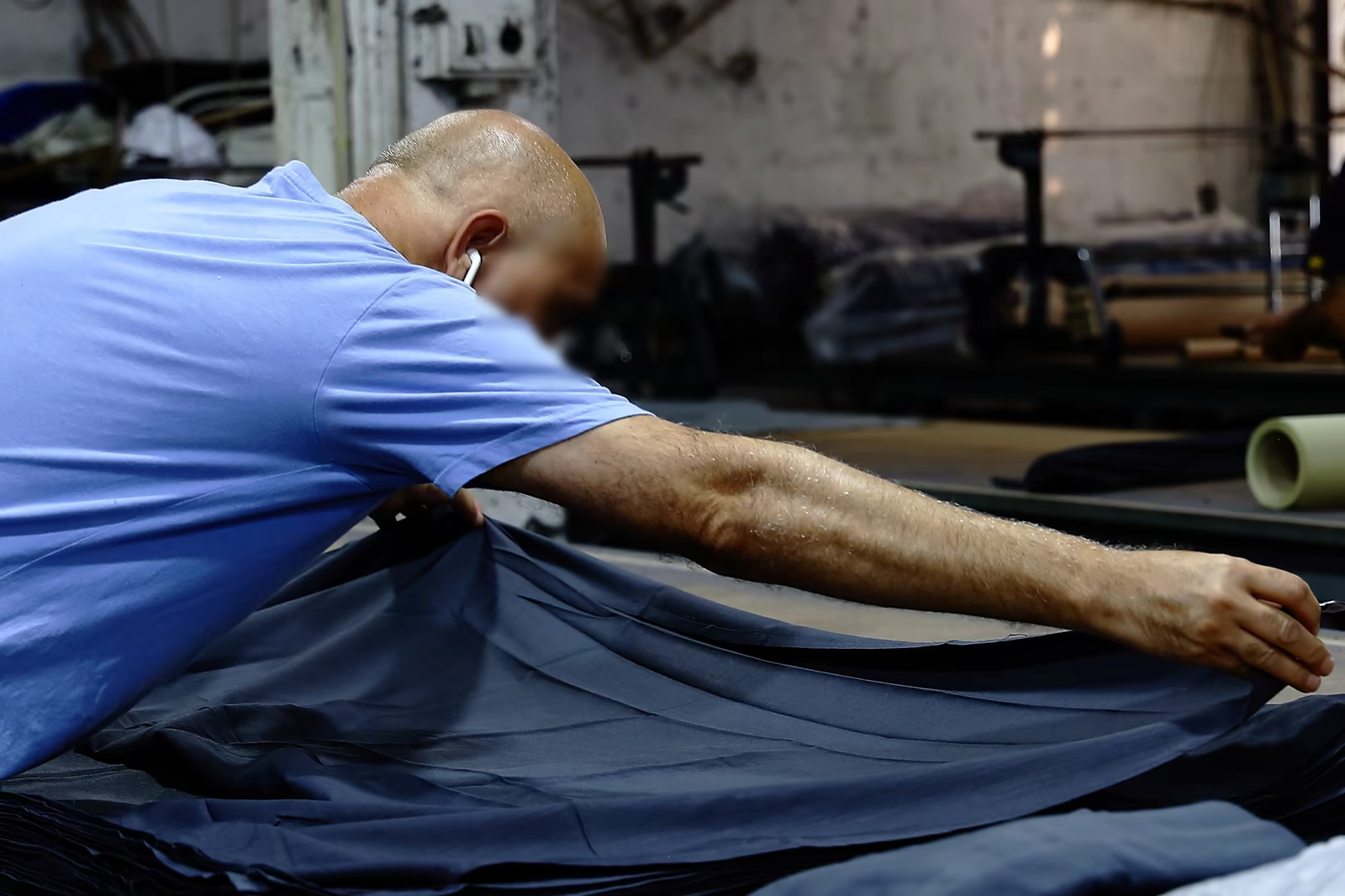
The company holds no stock and runs no warehouse of finished goods. That single discipline shapes everything else: fabric is bought for a named order, patterns are prepared for a named buyer, and production time is booked against confirmed programmes only. A buyer is never offered whatever happens to be on a shelf, never pressed to take a substitute quality, and never competing with a stock buyer’s leftovers. The garment that arrives is the garment that was specified, because nothing else was ever made.
- No finished-goods stock and no ex-stock offers at any quantity
- Fabric and trims purchased against each confirmed order
- Production capacity booked for named programmes only
- Specifications followed as written, with changes agreed in advance
Samples Approved in the Real Fabric Before Bulk
Bulk production never starts on the strength of a photograph, a swatch card or a promise. Every new style is first sewn as a sample in the actual production fabric, and that sample goes to the buyer for measuring, washing and handling. Only the buyer’s written approval moves the programme into bulk, and the approved sample is kept as the standard the finished order is checked against. Buyers who have been burned by a bulk order that matched nobody’s intention recognise the value of this stage immediately.
- Pre-production samples sewn in the actual fabric of the order
- Fit and construction comments worked through before bulk cutting
- The approved sample retained as the checking standard
- No bulk sewing without the buyer’s approval on record
Checking at Every Stage, Not Only at the End
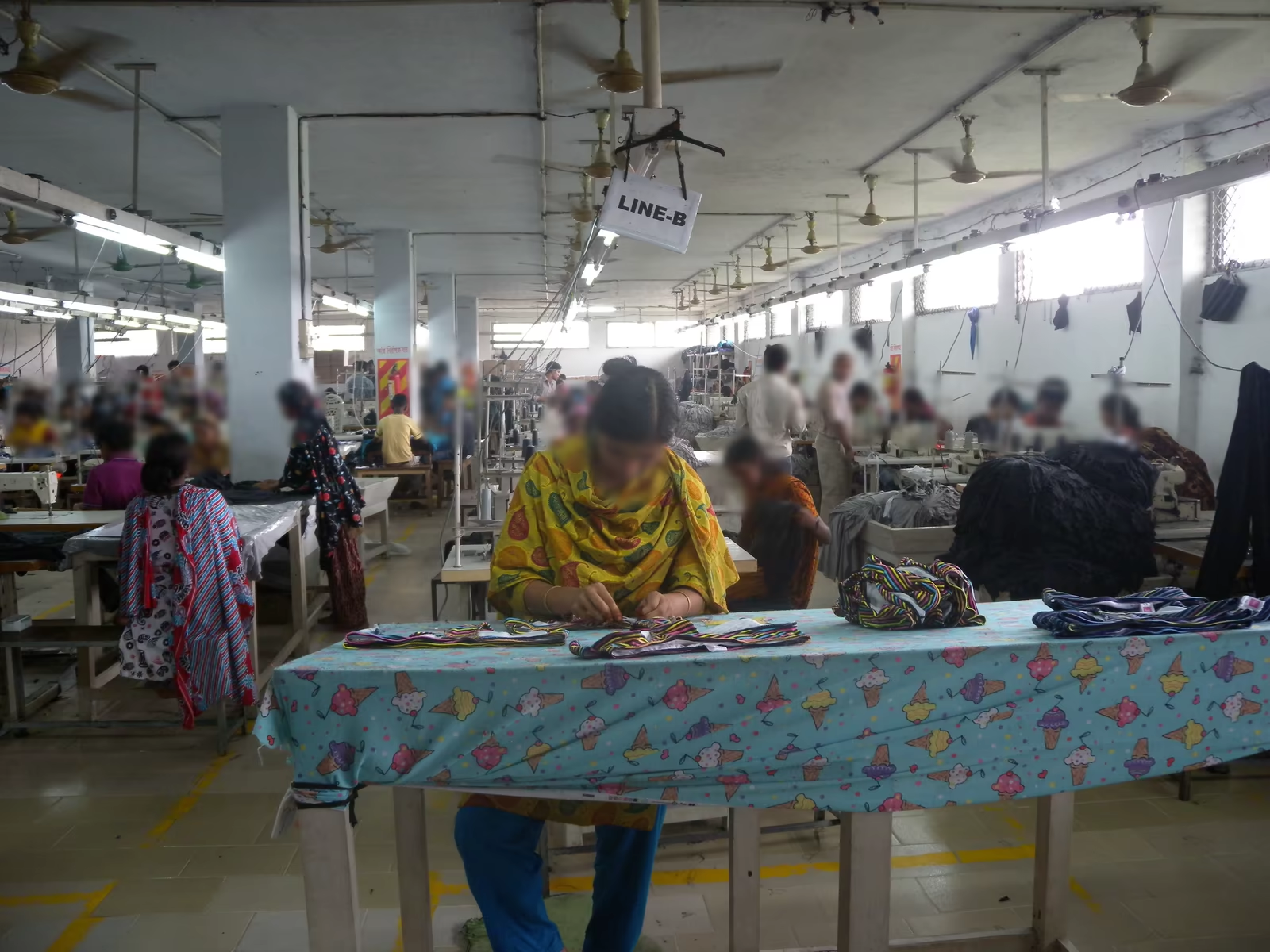
A fault found in a sealed carton is a fault that has already cost money. Checking at Huraira Fashion is therefore spread across the whole programme: fabric is inspected when it arrives, panels are checked before they reach the sewing lines, garments are reviewed while they are being made, and finished pieces are measured against the buyer’s own size chart before pressing and packing. A fault found at any stage goes back to that stage for correction. It is slower than one final glance, and it is the reason finished orders match their approved samples.
- Incoming fabric inspection before cutting begins
- In-line review while garments are on the machines
- Measurements checked against the buyer’s own chart
- Final inspection of finished pieces before cartons are sealed
A Supplier Whose Name Never Appears on Your Goods
Every programme is private label. The woven label, size tabs, hang tags, prints and carton markings carry the buyer’s brand, prepared from the buyer’s artwork and applied during production. The Huraira Fashion name appears nowhere on the garment and nowhere in the carton. For a brand building its own reputation, that invisibility matters: the customer sees one name only, and the manufacturing behind it stays where it belongs, in the background.
- Buyer’s woven label and size tabs in every garment
- Hang tags, stickers and carton marks from the buyer’s artwork
- Prints and embroidery applied to the buyer’s design files
- No supplier branding on the product or the packaging
Honest Answers When Something Cannot Be Done
Not every enquiry can be accepted, and buyers hear so quickly when it cannot. A delivery date the production schedule cannot meet is refused at the enquiry stage, not apologised for after it passes. A target price that cannot be reached at the specified quality is answered with a clear statement of what would have to change, and the choice is left with the buyer. A design that belongs to another brand is declined. Buyers consistently say this plainness is a reason they stay: an honest no in week one is worth more than a confident yes that fails in week ten.
- Unrealistic delivery dates refused before commitment, not after
- Price gaps explained openly, with the trade-offs named
- Protected designs of other brands never copied
- Bad news delivered early, while alternatives still exist
Records Kept So Repeat Orders Match the First
A first order proves a supplier once. A repeat order proves whether the first was luck. Huraira Fashion keeps the full record of every programme: the approved sample, the final size chart, the fabric source, the label artwork and the packing format. When a buyer reorders a style two seasons later, the new production is set up from that record, so the garment that arrives matches the one their customers already know. Consistency across seasons is what turns a trial order into a standing range.
The record also protects the buyer at costing time. A repeat programme is priced from the actual fabric, construction and packing of the last run, not estimated from a similar style, so the quotation a returning buyer receives reflects their real garment rather than a guess. When a fabric price has moved since the last run, the record shows exactly which part of the cost changed and by how much, and the buyer can see the reason instead of being asked to trust a higher number. That transparency is difficult to offer without records, and impossible to fake with them.
- Approved samples and size charts filed for every programme
- Fabric and trim sources recorded against each style
- Label artwork and packing formats kept on record
- Repeat production set up from the original record, not from memory
Programmes for Brands in the USA and the UK
Buyers in the USA and the UK run much of the company’s order book, and their requirements shape how programmes are handled: labelling and testing expectations are confirmed at costing, size charts are followed exactly as supplied, and communication runs in English by email across the time difference. A brand owner in New York or a sourcing manager in London deals with the same Dhaka team throughout, receives photographs while production runs, and gets export documents prepared for their destination without chasing them.
- Labelling and documentation requirements confirmed at costing
- Size charts followed exactly as the buyer supplies them
- Production photographs shared while the order is running
- Export paperwork prepared for the buyer’s destination
Serving Importers in Germany, Canada and Australia
Importers in Germany, Canada and Australia choose the company for the same practical reasons and receive the same handling: one contact, approved samples, checked production and cartons marked to their instruction. Programmes for these markets are costed with their labelling and packing expectations included from the start, so the price a buyer approves is the price of a finished, export-ready order, not a base price with surprises added at the end.
- Market-specific labelling included in the costing from the start
- Carton formats and markings prepared to the importer’s instruction
- Sea and air shipments documented from Dhaka
- The same checking standard for every destination
A Small Team That Answers for the Whole Order
Huraira Fashion is a small company, and buyers feel the difference in a specific way: there is nowhere inside it for an order to hide. The team that costs a programme knows it will also answer for its sampling, its production and its documents, which concentrates the mind at every stage. Buyers are not buying the largest operation in Dhaka. They are buying one that treats each programme as its own reputation, because for a company of this size, it is.
Small also means reachable. Enquiries are answered by the merchandising team itself, in working English, with the questions a real answer needs rather than a brochure reply. A buyer waiting on a costing or a production update is waiting on a person who can walk to the relevant desk, check the relevant carton and reply with a fact. In a trade where silence usually means trouble, a supplier who answers promptly and specifically is worth more than one who promises loudly and goes quiet.
- A compact merchandising team with named responsibility per order
- Direct access to the people handling the programme
- Decisions made quickly, without layers of approval
- Every order treated as a reference the company will be judged by
Questions Buyers Ask Before Choosing
How is this different from ordering through a trading company?
The difference a buyer feels is accountability. One company takes the enquiry, prepares the costing, arranges the sampling and production as a single programme, checks the output against the approved sample and prepares the export documents. There is one desk to write to and one record of the order, instead of a chain of intermediaries each holding part of the picture.
Can you match a garment I already sell?
Yes, in most cases. Send the garment itself or a complete tech pack, and the style is developed as a sample in the specified fabric for approval before bulk. The exception is a protected design belonging to another brand, which is declined openly rather than copied.
What happens if something goes wrong during production?
Checking exists to catch problems while they are still correctable, and the buyer hears about a genuine difficulty as soon as it is known, with the options set out plainly. The approved sample and the written specification are the standard both sides work to, which keeps disagreements about quality factual rather than personal.
What size of order suits this company best?
Programmes start at 3,000 pieces per order, with two or three styles combined on one fabric type in mixed colours and full size runs. That scale suits brands and importers building a range they intend to repeat, which is the work the company’s records and checking routines are designed for.
Put This Exporter to the Test With One Programme
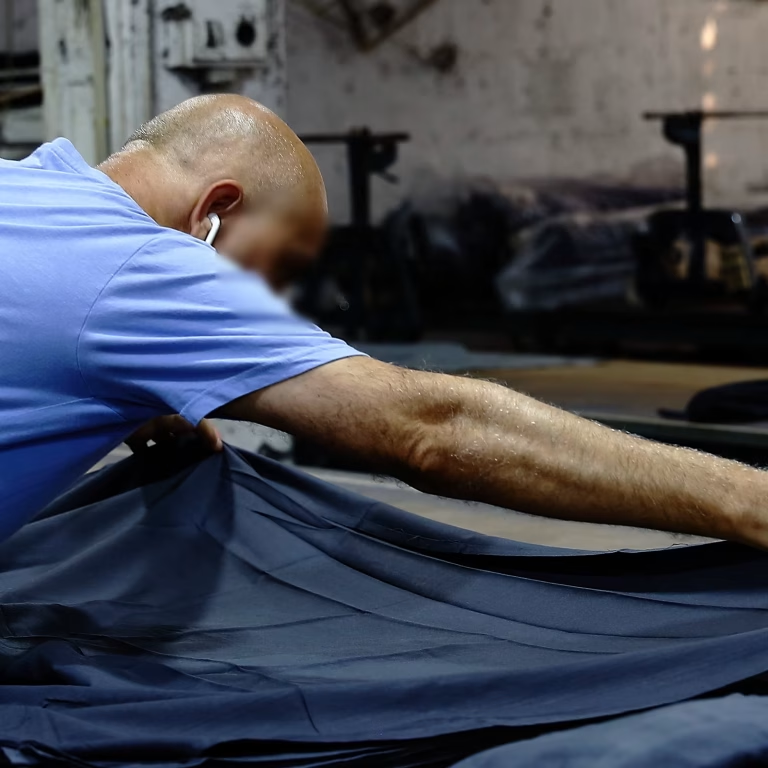
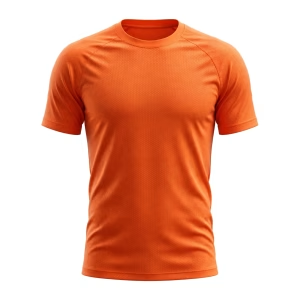
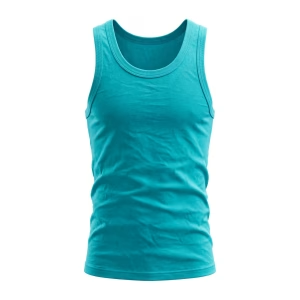
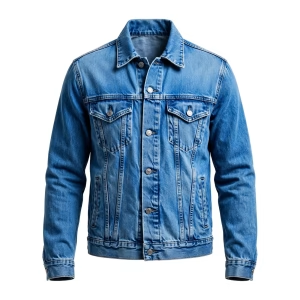
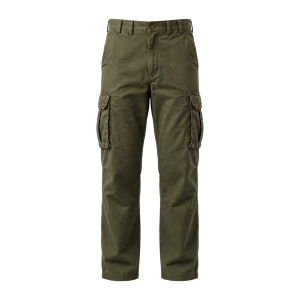
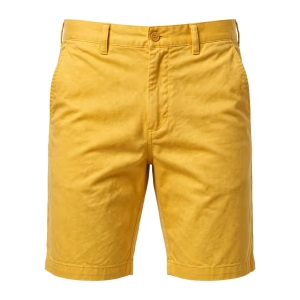
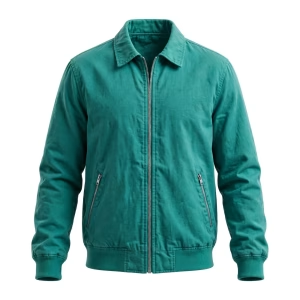
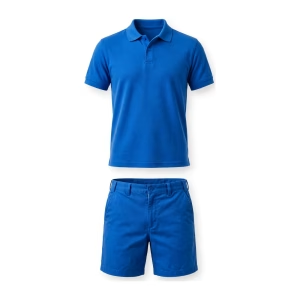
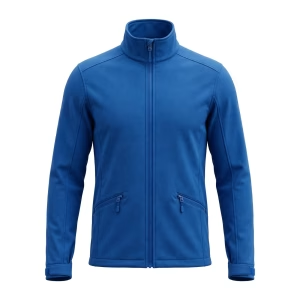
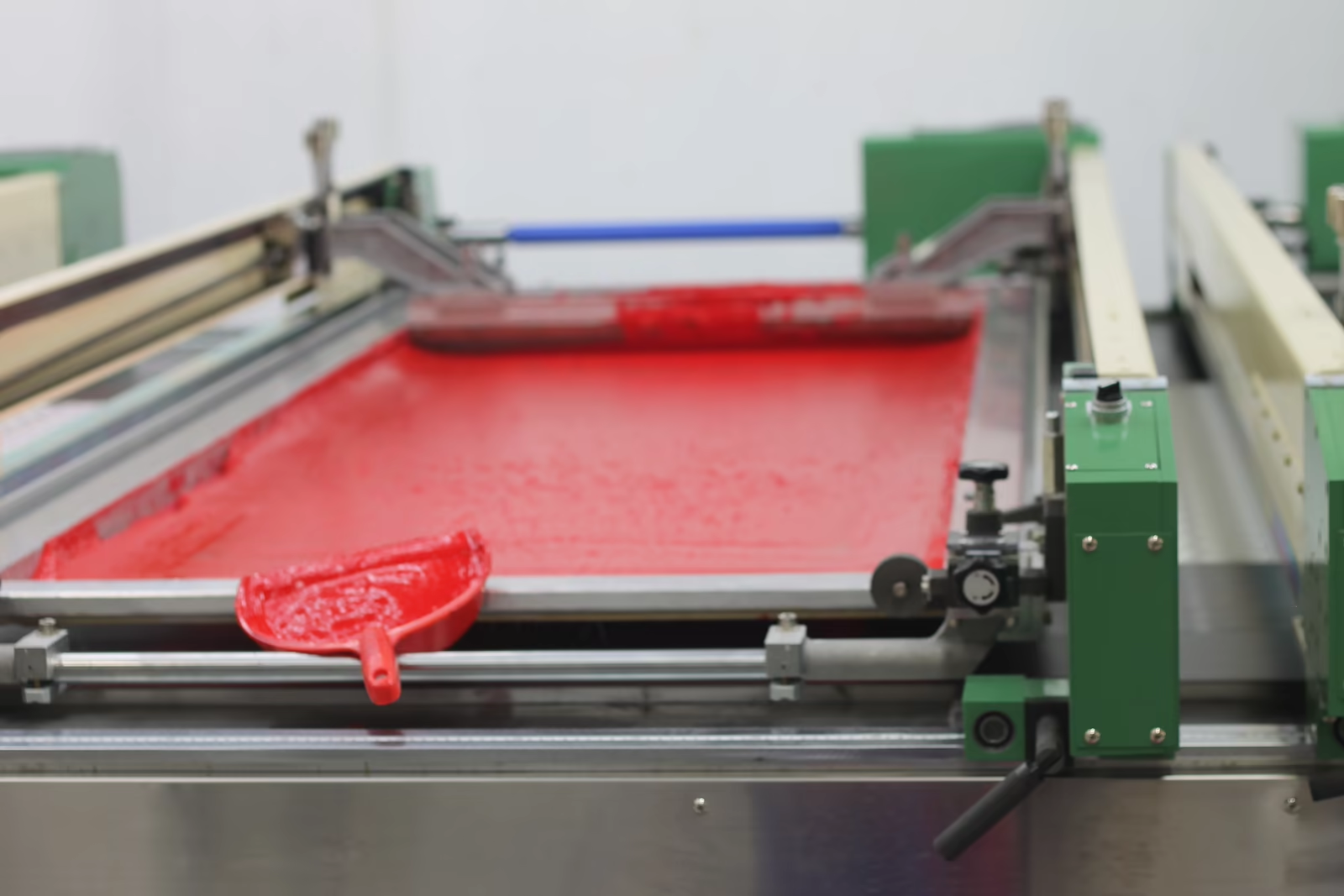
Claims are cheap in this trade, and this page has tried to avoid making any that cannot be checked. The honest test of everything above is a single programme: send a tech pack through the contact page, judge the costing for its plainness, judge the sample against your specification, and judge the finished cartons against the sample. The photographs on this page are symbolic images of garment production of the kind arranged for buyers, shown so the process can be pictured clearly. Buyers who run that test once tend to run it again, and that, in the end, is the whole argument.