
Apparel Manufacturing
MOQ and How to Order From a Garment Supplier in Bangladesh
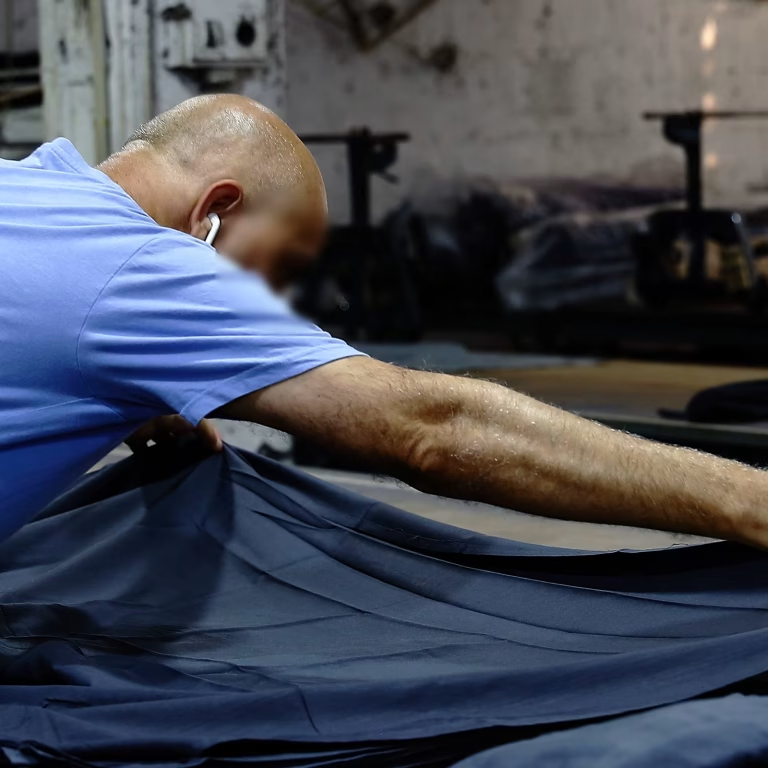
MOQ and how to order, stated plainly. The minimum order is 3,000 pieces covering two to three styles on one fabric type in basic types, and ordering runs enquiry, quotation, sample, production, inspection and shipment. Huraira Fashion supplies buyers in the USA, UK, Germany, Canada and Australia on these terms.
- Materials: Fabric bought to your order in mill quantities, which is where the minimum begins and why it protects your price.
- Functionality: A guided order process with written quotation, approved sample, stage updates and a passed final inspection.
- Size: Your size range and ratios inside the order minimum, split across styles, colours and sizes as your range requires.
- Customization: Your design, fabric, labels and packing in every programme, with special fabrics and styles quoted exactly.
Simply The Best
PORTFOLIOS
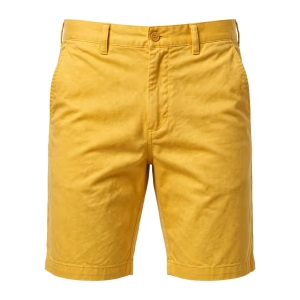
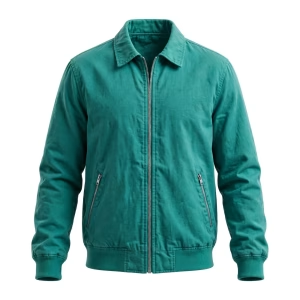
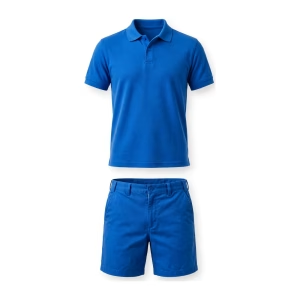
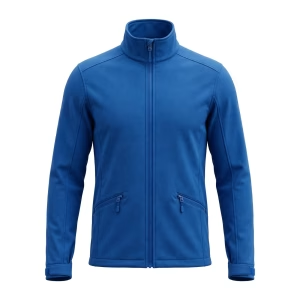
Product Details
MOQ and How to Order From a Garment Supplier in Bangladesh
MOQ and How to Order From a Garment Supplier in Bangladesh
Two questions open almost every buyer conversation: what is the minimum order quantity, and how does ordering actually work. This page answers both in full. The minimum order here is 3,000 pieces per order, which can cover two to three styles on one fabric type in the basic types of fabric and garment. Special fabrics and complex styles change the minimum, and the exact figure for a specific programme is confirmed at quotation. Huraira Fashion supplies buyers in the USA, UK, Germany, Canada and Australia on these terms, and every garment is made to order.
- Minimum order: 3,000 pieces per order
- Two to three styles on one fabric type in basic types
- Special fabrics and styles confirmed at quotation
- Every step from enquiry to shipment explained below
Why a Garment Manufacturer Sets a Minimum Order
A minimum order is not a barrier invented to test buyers; it is the arithmetic of how garments are actually made. Fabric is bought in mill quantities with its own minimums, a cutting table works efficiently across a full marker, a sewing line needs a run long enough to balance its operations, and labels, cartons and inspections all cost the same to set up for three hundred pieces as for three thousand. Below the minimum, those fixed costs land on too few garments and the honest price per piece rises past what the buyer market will pay. The minimum exists so the quoted price can be a real one.
- Fabric mill minimums sit underneath every order
- Cutting and line setup costs are fixed per style
- Setup spread across the run keeps the price honest
- Below the minimum the unit price stops working
Every experienced garment factory in Bangladesh works to some version of this arithmetic, which is why serious suppliers quote similar minimums for similar garments. A quote with no minimum at all usually means the setup costs have been hidden inside the unit price, where the buyer pays them on every piece instead of once per order. Reading a minimum correctly is therefore a buying skill: it tells you the factory has costed the programme honestly, from the fabric roll forward, rather than pricing to win the enquiry and renegotiating later.
What the 3,000 Pieces Can Cover
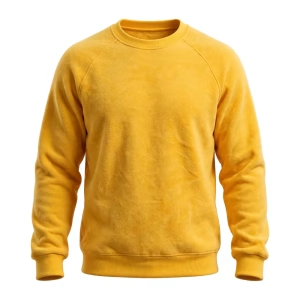
The 3,000-piece minimum is an order minimum, not a per-style minimum, and that distinction is what makes it workable for growing brands. Two to three styles can share the order when they share one fabric type: three tee styles in the same cotton jersey, or a hoodie and a sweatshirt in the same fleece. The styles are cut, sewn and packed as their own programmes with their own samples and checks, but they travel together for fabric buying, minimum counting and often shipping. A buyer building a small range reaches the minimum with a coherent collection instead of an excess of one garment.
- Order minimum, not a per-style minimum
- Styles share one fabric type in basic programmes
- Each style keeps its own sample and specification
- Programmes can consolidate into one shipment
The shared-fabric rule has a second benefit buyers discover on the second order: colour. Because the styles share one fabric type, the dyeing and finishing are planned as one programme, and colour consistency across the styles is controlled at the same point. A range that looks coordinated on a rail usually began as a coordinated fabric order. An exporter building ranges this way can also hold a small fabric buffer across the shared styles, which makes a fast reorder of the best seller easier to accept when the season demands it.
When the Minimum Changes
Some programmes honestly need a different minimum, and the quotation says so before any commitment. Imported or custom-developed fabrics carry higher mill minimums that pass through to the order. Complex garments with many operations, prints, embroidery or special trims need longer line runs to reach efficiency. Very wide size ranges spread pieces thinly across sizes. In each case the buyer hears the figure and the reason at quotation stage, while the decision is still free, and can often bring the minimum back down by adjusting a fabric choice or simplifying a detail with the development team.
- Custom or imported fabrics raise mill minimums
- Complex construction needs longer line runs
- Wide size ranges spread the run thin
- Adjustments discussed openly at quotation
Step One: Send the Enquiry With the Right Information
An order starts with an enquiry, and a complete enquiry gets a fast, accurate answer. Send the garment type, a photograph, sketch or tech pack if you have one, the fabric you have in mind, the quantities per style and colour, the size range, and the destination country. With that information the first reply can carry a real price indication and the applicable minimum, rather than a request for the same details. Enquiries that arrive as a single photograph still get answered; they simply take one extra round to establish what the photograph does not show.
- Garment type with photo, sketch or tech pack
- Fabric type and weight if known
- Quantities per style, colour and size range
- Destination country for freight and documents
Step Two: Quotation, Then the Sample
The quotation prices the garment as specified, with the minimum, the shipping term and the validity stated in writing. Buyers who accept the quotation move to sampling: a pre-production sample in the actual fabric, with the actual trims and your labels, measured against the specification. The sample is the decision point of the whole process. It is checked, commented on and corrected if needed, and only a written approval moves the order into production. Nothing about this stage is rushed, because every later stage simply repeats what the sample established.
- Written quotation with minimum and terms stated
- Sample in actual fabric with actual trims
- Corrections completed before approval
- Written sample approval starts production
The sample stage is also where the order paperwork is completed: final quantities per size and colour, labelling and packing instructions, the inspection arrangement and the shipping term are all confirmed against the approved sample. Buyers sometimes experience this as administration; it is actually the cheapest quality control in the whole programme, because a packing instruction corrected on paper costs nothing and the same correction at the carton stage costs a repack of the entire shipment.
Step Three: Production With Stage Updates
Production runs fabric in, cutting, sewing, finishing and packing in that order, and the buyer hears about it at the stages that matter: fabric received and inspected, cutting started, sewing under way with inline checks running, and finishing and packing in progress. The approved sample and your measurement chart govern every stage. If anything threatens the schedule or the specification, it is reported when found, with the options, rather than at the end. Buyers who want their own or a third-party inspector at the final check book it against these updates.
- Fabric, cutting, sewing, finishing in sequence
- Updates at the stages that affect decisions
- Approved sample governs every stage
- Problems reported with options, immediately
Buyers new to ordering from Bangladesh sometimes expect silence during production and judge only the shipment. The stage updates exist to remove that anxiety: a photograph of the fabric inspection, a note that cutting has begun, the inline position at mid-sewing. None of it requires the buyer to manage the factory; it simply proves the order is moving through the same hands that made the sample, on the schedule the quotation promised, and it gives the buyer real dates to plan receiving, photography and launch activity around.
Step Four: Inspection, Documents and Shipment by the Exporter
The order closes with the final inspection against the agreed quality level, packing to your list, and the document set: invoice, packing list, transport document and origin certificate, cross-checked as one set. Goods move on the agreed term, FOB Chattogram or CIF to your port, by sea as standard or by air where the date demands it. The buyer receives the documents on issue and the milestone reports through dispatch, so the shipment is never a mystery between the factory gate and the warehouse door.
- Final inspection before cartons close
- Documents cross-checked as one set
- FOB or CIF, sea or air, as agreed
- Milestone reports until handover

Ordering for Buyers in the USA: What to Prepare
Buyers in the USA make ordering faster by preparing three things early: the labelling details their market requires, the carton and routing standards of their retailer or fulfilment centre, and the inspection arrangement if their company appoints one. None of these can be improvised at packing stage without cost. With them on the order file from the start, the programme runs as one smooth sequence and the shipment arrives ready for receiving, which is where American programmes are ultimately judged.
- Labelling details supplied at order stage
- Receiver carton standards on the order file
- Inspection arrangement booked against production
- Smooth receiving as the design goal
Ordering for Buyers in Australia and Canada
Buyers in Australia and Canada order on the same steps, with the calendar doing more of the talking. Longer sea legs mean the order date is worked backwards from the selling season with the freight leg included, and programmes are often consolidated so several styles travel together. Canadian buyers add bilingual labelling details where their market needs them. In both markets the discipline that matters most is early ordering against the season: the production slot, the fabric and the vessel all reward the buyer who starts a month earlier.
- Order dates worked back from the selling season
- Styles consolidated into shared shipments
- Bilingual labelling for Canadian programmes
- Early starts rewarded at every stage
Common Ordering Mistakes and How to Avoid Them
The mistakes that cost buyers money are predictable. Ordering below a viable quantity in a custom fabric produces either a refused order or a punishing price, so fabric choices and quantities are discussed together. Approving a sample verbally loses the corrections, so approvals are written. Leaving labelling and packing standards until the end adds weeks at the worst moment, so they are collected at enquiry. And choosing a supplier on the first price without a sample discovers the difference between a quotation and a garment at the most expensive possible time.
- Match fabric choices to realistic quantities
- Approve samples in writing, always
- Send labelling and packing standards early
- Judge suppliers on samples, not first prices
Questions Buyers Ask About MOQ and Ordering
Can the minimum be split across colours and sizes?
Yes. The minimum counts the order, and the styles inside it are split across your colours and size range in your ratios. Extremely fragmented splits can affect efficiency, and the quotation will say so plainly if yours does.
Can a first order be smaller to test the relationship?
The production minimum is set by fabric and line economics rather than by trust, so it applies to first orders too. What a first order can be is simpler: one or two basic styles on a standard fabric is the lowest-risk way to start, and many long-running programmes began exactly there.
How long does an order take from approval to shipment?
The timeline is quoted with the order and depends on fabric availability, style complexity and the production queue. What is guaranteed is the reporting: stage updates against the quoted schedule, and early warning with options if anything moves.
What do you need from us to start?
The garment details, fabric direction, quantities, size range and destination listed in step one above. From that, the quotation and then the sample follow, and every later step is guided in writing.
Start With the Enquiry
Ordering begins with one message carrying the garment, the fabric direction, the quantities and the destination. The reply carries the price, the applicable minimum and the next step, and the sample follows from there. Send the first style whenever you are ready, and the process on this page is the process your order will actually follow.
- Send garment, fabric, quantities and destination
- Receive the quotation with the minimum stated
- Approve the sample in writing
- Production, inspection and shipment follow