
Apparel Manufacturing
Product Development and Sampling by a Garment Manufacturer in Bangladesh
Product development and sampling turns your clothing idea into a costed, production-ready garment. Huraira Fashion drafts the pattern, submits fabrics and trims, and works through proto, fit and pre-production samples with you, for buyers in the USA, UK, Germany, Canada and Australia.
- Materials: Fabric and trim options submitted as labelled swatches at the weight and composition your design needs.
- Functionality: Pattern making, grading, sample sewing and measurement work that proves the style before bulk.
- Size: Base size fitted first, then graded across your full size range, with bulk programmes from 3,000 pieces covering two to three styles on one fabric type in basic types.
- Customization: Every element is yours: design, fabric, trims, labels and packing, settled and sealed at the approved sample.
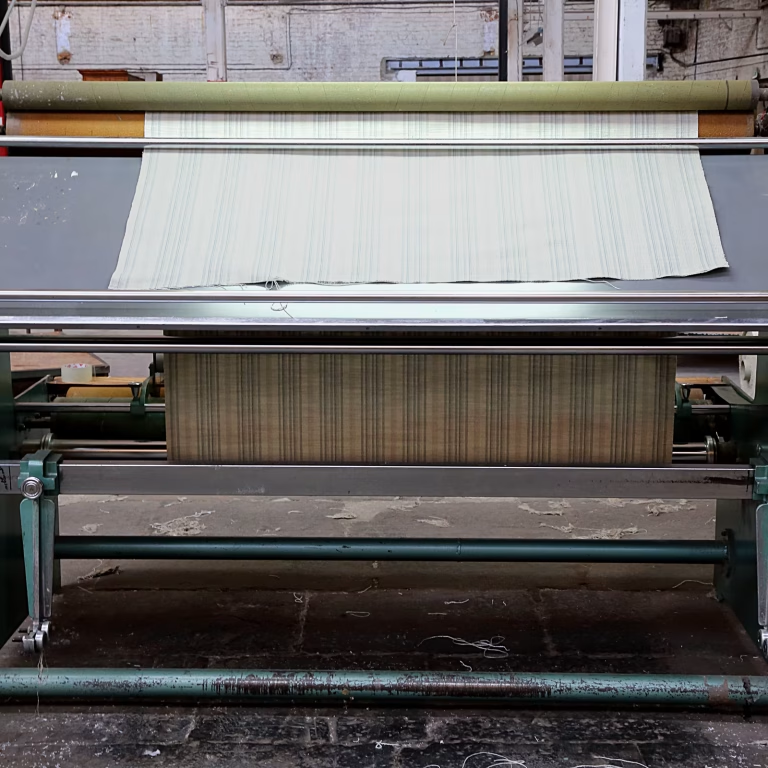
Simply The Best
PORTFOLIOS
Product Details
Product Development and Sampling by a Garment Manufacturer in Bangladesh
Product Development and Sampling by a Garment Manufacturer in Bangladesh
Product development is the stage where a clothing idea becomes a garment that can be produced a thousand times without changing character. It covers pattern making, fabric and trim selection, the first proto sample, fit correction and the graded size set, ending with a costed, approved pre-production sample. Huraira Fashion runs development and sampling for buyers in the USA, UK, Germany, Canada and Australia who are building new styles, new ranges or a whole new brand, and who need the development done inside the factory that will sew the bulk.
- Patterns drafted from your sketch, tech pack or reference garment
- Proto, fit and pre-production samples in sequence
- Fabric and trim options submitted for your selection
- A costed specification ready for a bulk decision
How a Development Supplier Starts From Your Idea
Development starts from whatever the buyer actually has. A full tech pack is the fastest start, but a sketch with measurements, a set of photographs, or a physical garment bought at retail all work as starting points. The development team records every detail of the starting material: measurements, construction, fabric weight and behaviour, trims and branding. Where the buyer idea and production reality disagree, the disagreement is raised at this stage with a proposed solution, because a problem found on paper costs nothing and the same problem found on a cutting table costs a season.
- Tech packs, sketches, photos or reference garments accepted
- Every detail of the starting material recorded
- Production problems raised on paper first
- Solutions proposed, never silently substituted
The start also fixes what success looks like for the style: the target price point, the market it will sell in, and the date it is needed. A development exporter working without a price target produces beautiful samples nobody can sell, and one working without a market misses the labelling and testing that market requires. With the target named, every fabric submission, construction suggestion and costing decision is judged against it, and the buyer can see at each round whether the style is converging on a garment that works commercially as well as physically.
Pattern Making and the First Proto Sample
The pattern is the garment in flat form, and the proto sample is the pattern first test. A pattern maker drafts the style from the measurement chart, the first sample is sewn in available fabric of similar weight, and the buyer sees the silhouette, the proportions and the construction for the first time as a real garment. Proto comments usually concern shape: a neckline deepened, a sleeve eased, a length adjusted. Those changes go back into the pattern, not into pins on the sample, so every later sample inherits the corrections permanently.
- Patterns drafted from the agreed measurement chart
- Proto sewn in similar-weight available fabric
- Fit and shape comments answered on the pattern
- Corrections inherited by every later round
Fabric and Trim Development Alongside the Style
A style is only half designed until its fabric is chosen, because the same pattern behaves differently in a light jersey and a heavy fleece. Development submits fabric options at the weight and composition the design needs, with swatches the buyer can handle, and trim options for buttons, zips, cords, drawstrings and labels. Where a buyer wants a fabric developed to a specific hand feel or finish, the mill options and minimums are laid out honestly at this stage, including where a custom fabric changes the order quantity the programme needs.
- Fabric swatches submitted at the design weight
- Trim options matched to the style and price point
- Custom fabric minimums explained before commitment
- Approved fabric recorded on the style specification
Swatch handling is deliberately physical. Colours and hand feel do not survive a screen, so submissions travel as cuttings the buyer can wash, stretch and hold against existing range pieces. Each cutting is labelled with its composition, weight, width and price, and the rejected options stay on the development file with the reason recorded. That record matters six months later when a reorder asks why a fabric was chosen, or when a similar style starts development and the rejected options do not need testing twice.
Fit Samples, Size Sets and Grading
Once the proto shape is approved, development proves the style across its size range. The base size is fitted and corrected first, then the pattern is graded into the full size set and a sample in a second size confirms the grade. Measurement charts are updated with the actual sample measurements, including tolerances, so the bulk audit later compares production against measured reality rather than the original hope. Buyers selling into fit-sensitive categories treat this stage as the heart of development, and it is given the time it needs.
- Base size fitted and corrected first
- Grading into the full size set from the pattern
- Second-size sample confirms the grade
- Charts updated with measured sample values
How a Factory Costs a Developed Style
Costing is built from the style actual consumption: fabric per garment from the marker, trims at their real prices, sewing time from the operation list, finishing, packing and the export costs to the agreed delivery point. The buyer sees a price for the garment as specified, with the main cost drivers visible enough to make decisions: a heavier fabric, a more complex construction or an extra print each moves the price in a way that can be explained line by line. Development is where those decisions belong, while changing them still costs nothing.
- Fabric consumption measured from the marker
- Trims and operations priced at real values
- Cost drivers visible for buyer decisions
- Price quoted for the garment as specified
Costing also separates what the buyer controls from what the market controls. Fabric and trim choices, construction complexity and branding sit with the buyer; yarn prices, freight rates and currency sit with the market. A development costing names the market-sensitive parts honestly, so if a bulk order is placed months after sampling, any price movement can be traced to a named cause rather than argued over. Buyers planning a season ahead use that breakdown to decide which styles to lock early and which to hold.
Minimums and What Development Costs
Development leads to the same made-to-order minimums as every programme here: a bulk order of 3,000 pieces covering two to three styles on one fabric type in basic types, with special fabrics and complex styles confirmed at quotation. Sampling itself is quoted per style according to the work involved: pattern, number of rounds and any custom fabric or trim development. Buyers who proceed to bulk have their sampling treated as part of the programme setup; the exact arrangement for a specific range is confirmed in writing before development starts, so nobody discovers a term after the samples arrive.
- Bulk minimum 3,000 pieces across two to three styles
- Sampling quoted per style before work starts
- Rounds and custom development itemised
- Terms confirmed in writing at the start
The Pre-Production Sample: Where Development Ends
Development ends with the pre-production sample: the style sewn in the actual production fabric, with the actual trims, labels and packing, measured against the final chart. This sample is the contract between development and production. Once the buyer approves it in writing, the pattern, specification and sample are sealed as the production standard, and the bulk order is cut, sewn and inspected against them. Any later change reopens development for that point, which keeps the bulk honest: nothing in production is improvised.
- Sewn in actual fabric with actual trims
- Labels and packing applied as for retail
- Written approval seals the production standard
- Later changes reopen development formally
The sealed development file is what makes reorders simple. A buyer returning for a repeat, a new colourway or a size extension starts from the approved pattern and specification rather than from memory, and only the changed element goes through sampling again. Ranges built this way accumulate a pattern library that belongs to the buyer, style by style and season by season, and each new development is faster than the last because the settled decisions, fabrics, trims, labelling, packing, do not need making twice.
Development for Buyers in the UK Building a First Range
Buyers in the UK starting a first range usually arrive with strong design direction and no production history, and development is structured to protect them from the classic first-range mistakes: too many styles for the quantity, fabrics chosen beyond the price point, and size ranges wider than the first order can support. The programme narrows the range to the styles that carry the brand, develops them properly, and leaves the wider ideas documented for the second season, when reorders of the proven styles fund the expansion.
- Range narrowed to the styles that carry the brand
- Fabric choices held to the target price point
- Size range matched to the first order size
- Later ideas documented for the next season
Development for Buyers in Germany Working to a Specification
Buyers in Germany typically develop to a written specification with tight tolerances, and the development record is kept to the same standard: every sample round measured, every comment answered in writing, every material declared with its composition. German programmes also plan the labelling and testing requirements of the destination market during development rather than after it, so fibre declarations, care wording and any required fabric testing are settled while the style can still absorb a change without cost.
- Every round measured and recorded
- Comments answered in writing, point by point
- Material compositions declared during development
- Market labelling settled before bulk
Common Development Mistakes and How They Are Avoided
Four mistakes account for most failed developments. Approving a proto in substitute fabric and assuming the production fabric will behave the same way is prevented by the pre-production sample in actual fabric. Skipping the second-size sample lets grading errors reach bulk, so the size set is sampled. Changing the design verbally between rounds loses corrections, so every comment is written and answered in writing. And costing before the specification settles produces a price nobody can hold, so the firm quotation follows the approved sample, not the first sketch.
- Actual-fabric sample before any bulk decision
- Second-size sample proves the grading
- All comments written and answered in writing
- Firm price follows the approved specification
Questions Buyers Ask About Product Development and Sampling
How many sample rounds does a style usually need?
Most styles settle in two to three rounds: a proto for shape, a fit round for correction, and the pre-production sample in actual fabric. Complex construction or custom fabric can add a round, and each round is quoted before it starts.
Can you develop from a garment we bought in a shop?
Yes. A reference garment is measured and recorded in full, the pattern is drafted from it, and the first sample is compared against the original point by point. Buyers should hold the rights to any branded design they ask to reproduce.
Do we own the patterns you make for us?
Yes. Patterns, charts and specifications developed for your styles are your property, held on your record and used for your production only, and they are returned or deleted on your instruction.
Can development cover a whole range at once?
Yes, and ranges usually develop faster per style than single garments because fabrics, trims and labelling are settled once for the range. The range is still sampled style by style, since fit is never assumed across different patterns.
Start Development With One Style
Development starts best with one style and honest material: the sketch, the tech pack or the garment itself. From that single style the whole method becomes visible: the pattern, the proto, the corrections and the costed pre-production sample. When that sample is right, the range behind it is a repetition of a proven process. Send the first style, and development begins from what is actually on the table.
- Send the sketch, tech pack or garment
- Approve fabric and trim submissions
- Work through proto and fit rounds in writing
- Approve the costed pre-production sample