
Apparel Manufacturing
Garment Factory in Bangladesh
Garments are cut, sewn, finished and packed to order at a working factory in Dhaka, Bangladesh. Every programme is made against the buyer's own specification: your fabric, your pattern, your label, checked at every stage and exported to your market.
- Materials: Cotton single jersey, pique, fleece and french terry knits, with denim and cotton twill on the woven side, every roll inspected before it reaches the cutting tables.
- Functionality: Cutting, sewing, finishing and export packing under one roof, with development and pre-production samples sewn in the actual fabric before bulk production starts.
- Size: Programmes from 3,000 pieces per order, with two or three styles combined on one fabric type, in mixed colours and full size runs graded to your chart.
- Customization: Your woven label, size tabs, hang tags, stickers and carton format applied inside production, with nothing on the garment or in the carton carrying our name.
Simply The Best
PORTFOLIOS
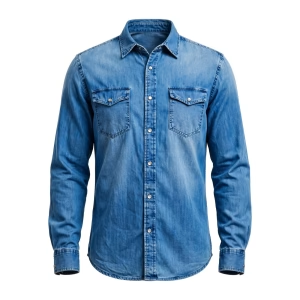
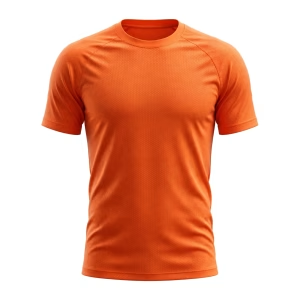
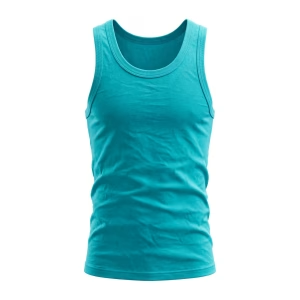
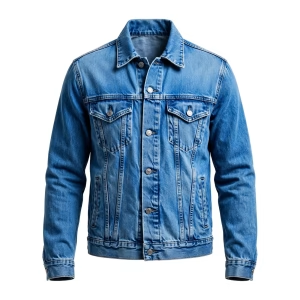
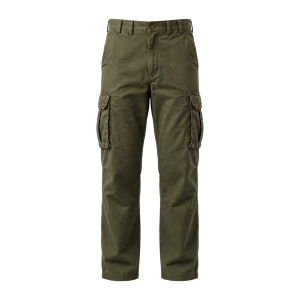
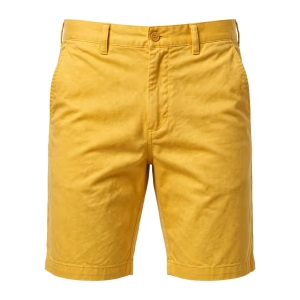
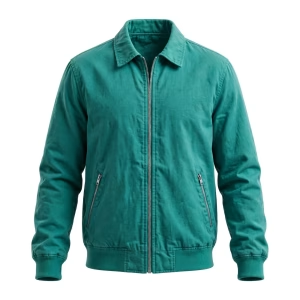
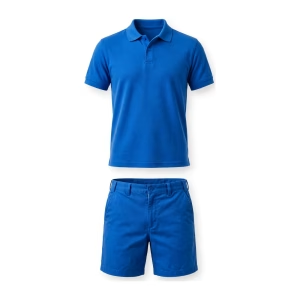
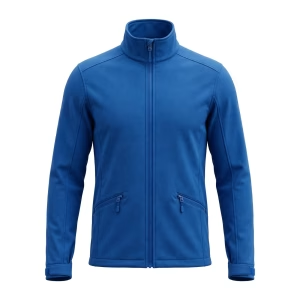
Product Details
Garment Factory in Bangladesh
A Working Garment Factory in Dhaka, Bangladesh
The factory stands in Dhaka, the centre of garment making in Bangladesh, and it runs the way a working factory should run. Fabric arrives at one end, and finished garments leave at the other, checked, folded and packed for export.
Everything here is made to order. We hold no stock and sell nothing from a shelf, because every programme is sewn against a buyer’s own specification, size chart and label. Buyers in the USA, the UK, Germany, Canada and Australia send us their styles, and the factory turns them into finished garments.
- Cutting, sewing, finishing and packing under one roof
- Programmes sewn to the buyer’s specification and size chart
- Private label applied inside production, never added afterwards
- Export cartons packed and marked for the buyer’s warehouse
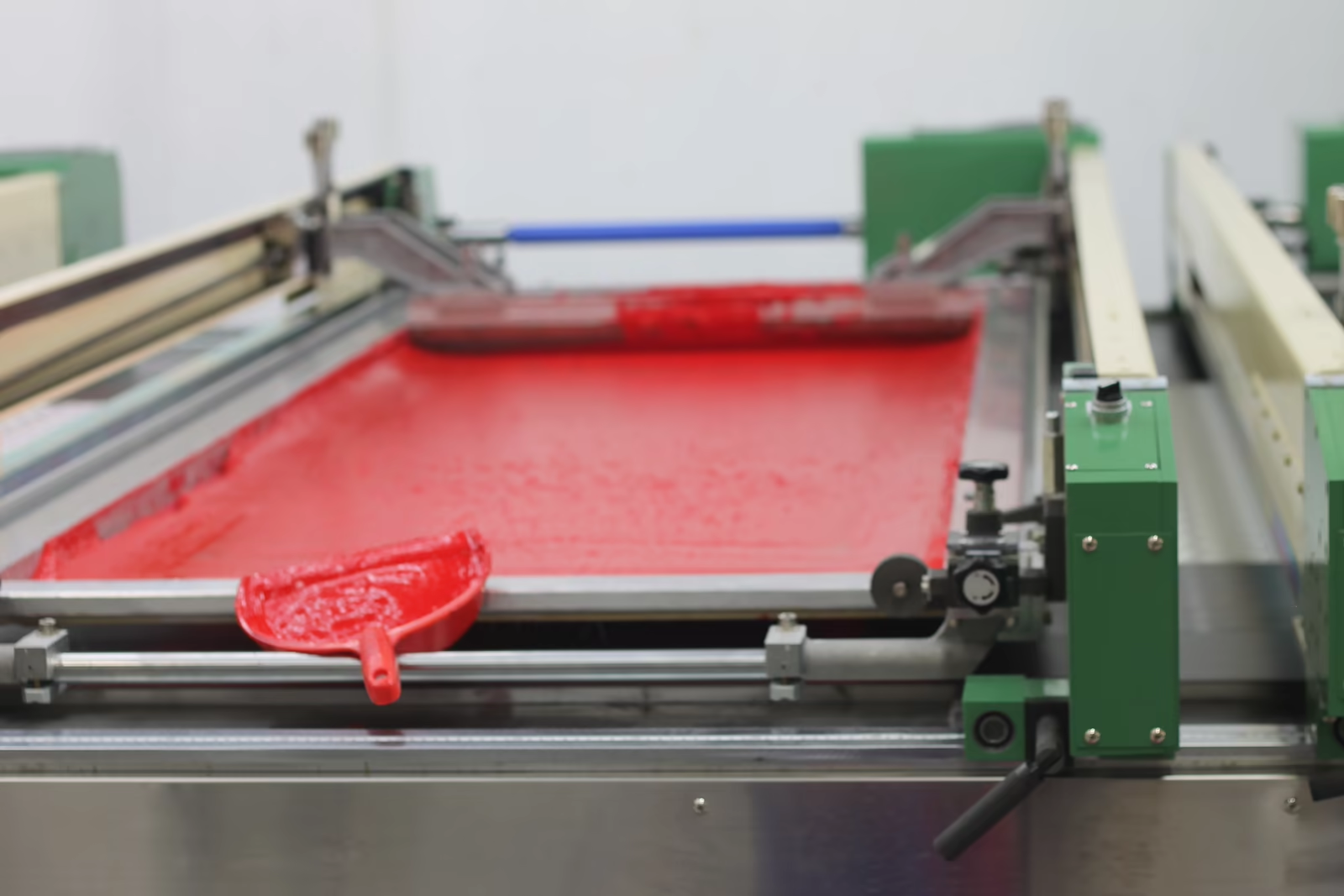
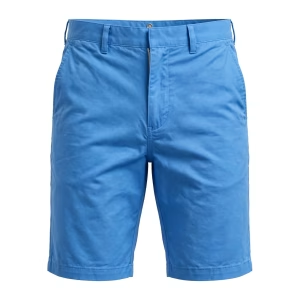
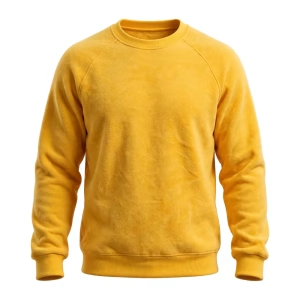
The programmes that run here cover the knit garments Bangladesh is known for: t-shirts, polo shirts, sweatshirts, hoodies and joggers, alongside woven styles such as work pants and shorts. Each programme arrives with its own fabric, pattern and packing instruction, and the floor is organised around those instructions from the first day.
Sewing Floors Built for Long Production Runs
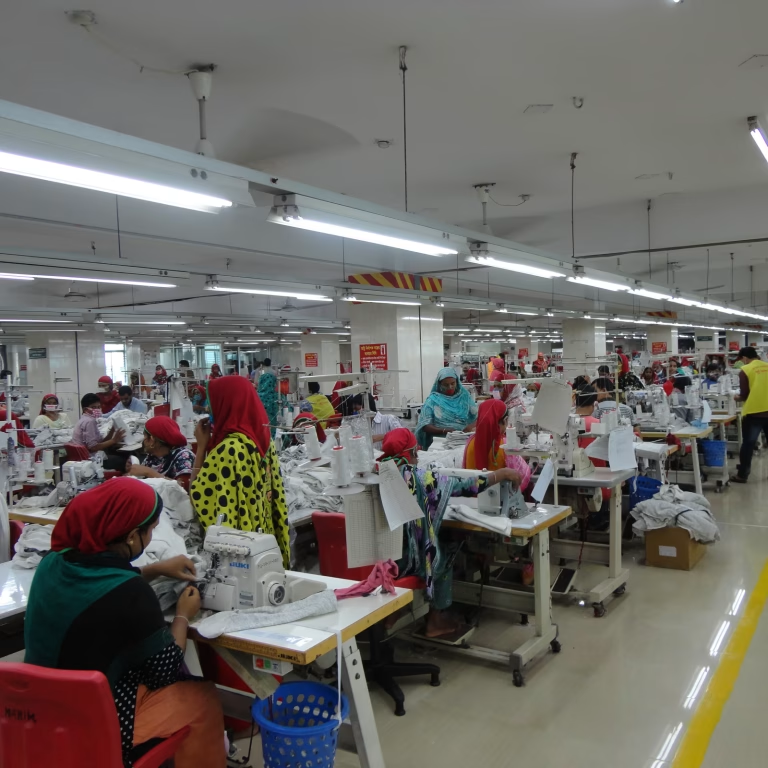
The sewing floors are the heart of the factory. Long rows of machines stand line by line, each line set for one style at a time, so a garment moves from operation to operation without leaving the floor.
A line is balanced before bulk sewing starts. The operations are studied, the machines are set, and the first pieces are checked against the approved sample, so the thousandth garment matches the first one off the line.
- Lines set and balanced for each style before bulk starts
- Inline checking at the points where faults usually begin
- Operators who sew the same operations until they are second nature
- Daily output planned against the buyer’s delivery date
Different styles ask different things of a line. A basic t-shirt moves through lockstitch and overlock operations at speed, while a polo shirt adds a placket, a collar setting operation and button work. The line layout changes with the garment, and supervisors walk the line through the day, checking output against the sample and clearing bottlenecks before they slow the floor.
The Cutting Room, Where Accuracy Starts
Every garment begins as a flat pattern on the cutting table, and a mistake here repeats itself in every piece. The cutting room works from the buyer’s pattern or from a pattern made and graded for the programme.
Fabric is spread in even lays, rested, and then cut to the marker. Computer controlled cutting handles long markers with tight accuracy, while smaller lays and delicate fabrics are cut by hand at the table.
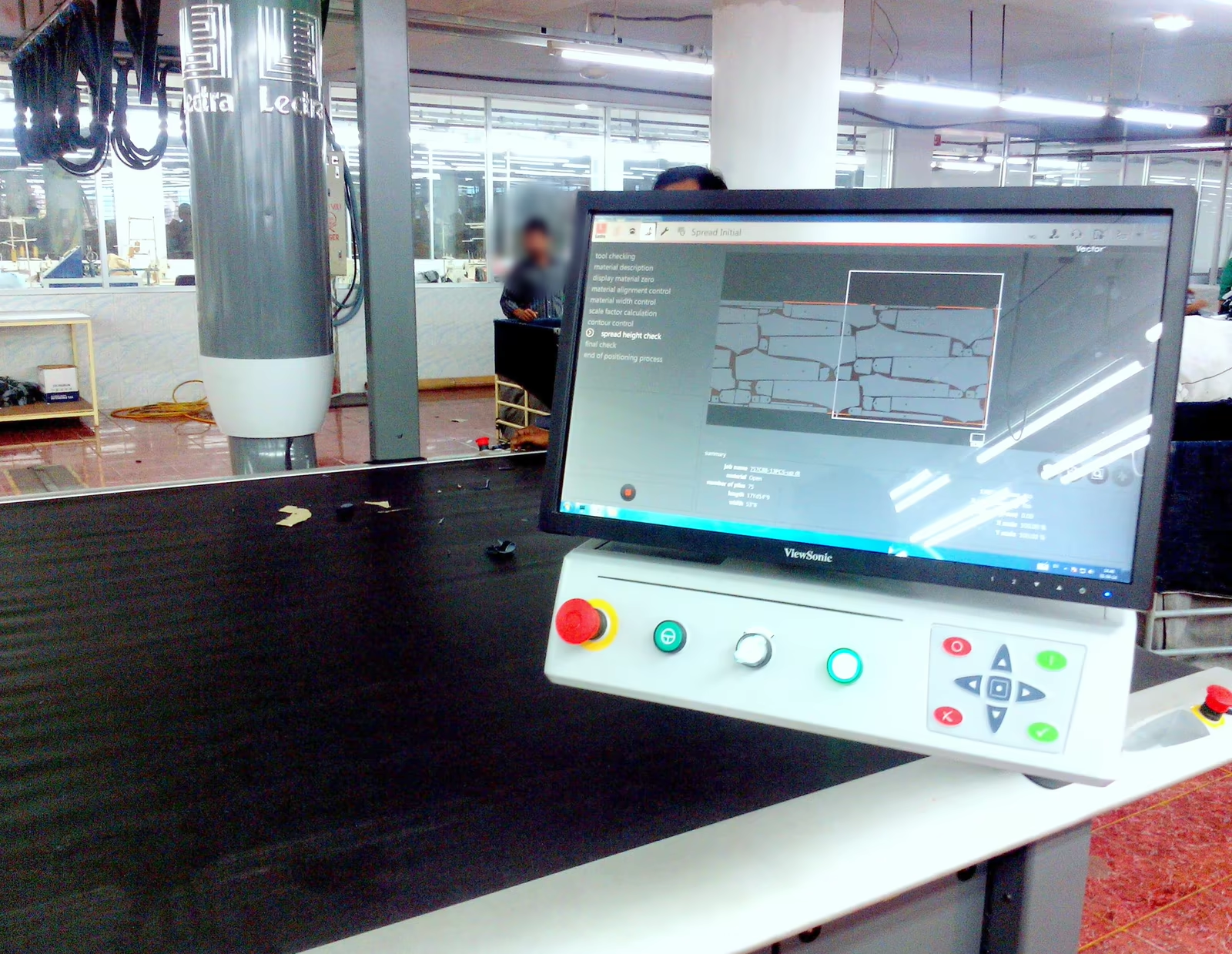
- Markers planned to hold the buyer’s sizes in the right ratio
- Lays rested before cutting so the fabric keeps its shape
- Cut parts numbered and bundled by size for the sewing lines
- Shade checks between rolls before a lay is spread
Fabric Checked Before It Reaches the Tables
Production is only as good as the fabric it starts from, so incoming fabric is inspected before it is accepted into the store. Rolls run over the inspection machine, where faults are marked and the usable width is confirmed.
Knit fabrics for these programmes come from established mills, and the knitting structure, weight and shade are checked against the buyer’s standard. Fabric that fails inspection goes back, not into production.
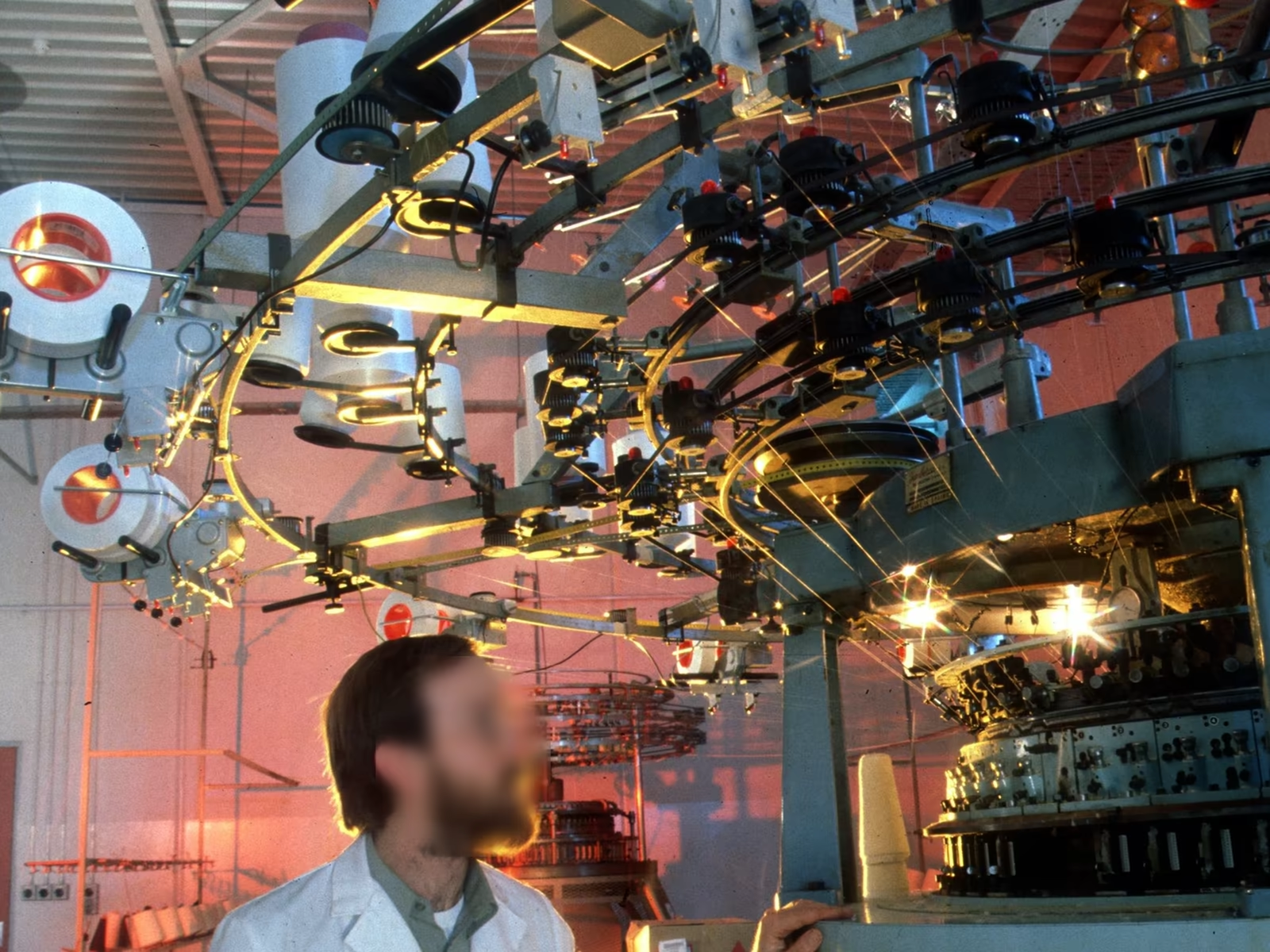
- Every roll inspected for faults, holes and shade variation
- Weight and width confirmed against the order specification
- Shrinkage behaviour checked before cutting is planned
- Approved fabric stored by order, never mixed between buyers
Finishing, Checking and Packing Under One Roof
A sewn garment is not a finished garment. On the finishing floor, threads are trimmed, garments are measured against the size chart, and every piece passes over the checking tables before it is pressed and folded.
Packing follows the buyer’s own instruction. Garments are folded or hung as the programme requires, polybagged with the buyer’s labels and stickers, and cartoned in the buyer’s format, ready for the warehouse or the store.
- Measurement checks against the buyer’s size chart
- Final visual check of every garment before folding
- Pressing and folding to the buyer’s packing standard
- Cartons marked with size, colour and quantity as instructed
Finishing is also where a garment is matched back to its order. Quantities are counted by size and colour as they are packed, and any piece that fails the final check is pulled out and replaced from the same production, so the carton count the buyer receives is the count that was checked, not an estimate made at the door.
How a Buyer’s Order Moves Through the Factory
An order starts with a specification, a tech pack or a sample garment sent by the buyer. The team studies it, sources the fabric, and arranges a development sample for comments, correcting fit and details until the sample is approved.
Bulk production then follows the approved sample exactly. Cutting, sewing, finishing and packing run in sequence, and the buyer hears from one team throughout, from the first sample to the final carton.
- Specification or tech pack received and costed openly
- Development sample sewn in the actual fabric for approval
- Pre-production sample confirming every detail before bulk
- Bulk production, final audit and export dispatch in sequence
Through production, the buyer is kept informed by the same merchandising team that costed the order. Photographs from the floor, measurement reports and packing updates are shared as the order moves, so there are no surprises when the cartons arrive. If a fabric delivery slips or a detail needs a decision, the buyer hears it from us early, with the options laid out plainly.
Quality Control at Every Stage of Manufacturing
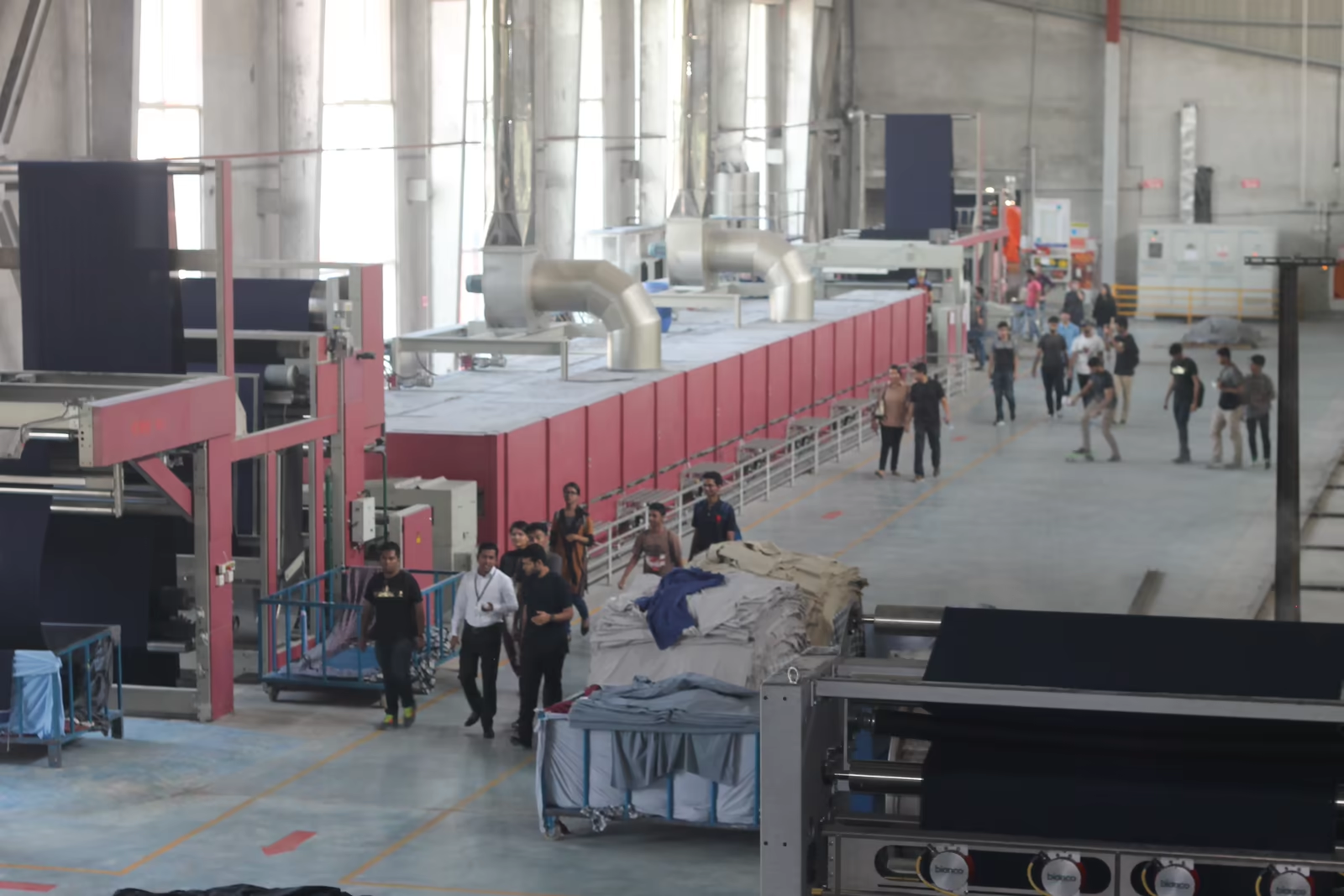
Quality is not a department at the end of the line here; it is a habit at every stage. Fabric is inspected on arrival, cut parts are checked before sewing, and garments are examined during production, not only after it.
The standard for every check is the approved sample. Finished garments pass a final audit against it before cartons are sealed, so what the buyer approved is what the buyer receives.
- Inspection points at fabric, cutting, sewing and finishing
- Every check measured against the approved sample
- Faults traced back to the operation that caused them
- Final audit completed before any carton is sealed
Capacity Planned Around Each Buyer’s Programme
The factory plans its lines around confirmed programmes rather than filling space with speculative work. When a buyer books a programme, the cutting tables, sewing lines and finishing capacity for that order are reserved against its delivery date.
That planning is why repeat programmes run smoothly. A buyer’s fabric standard, size chart and packing format are held on file, so the next order starts from a known standard instead of starting again.
- Line time reserved per programme against its delivery date
- Repeat orders sewn to the standard held on file
- Seasonal programmes planned with the buyer ahead of time
- Honest lead times quoted from real capacity, not hope
Planning starts before the fabric arrives. Trims, labels and packing materials for a programme are booked against its production slot, and the fabric store holds each buyer’s cloth separately, checked and rested, ready for the cutting date. When a programme repeats, that preparation is already understood, which is how repeat orders keep their lead times short and their standard steady.
The People Behind the Machines
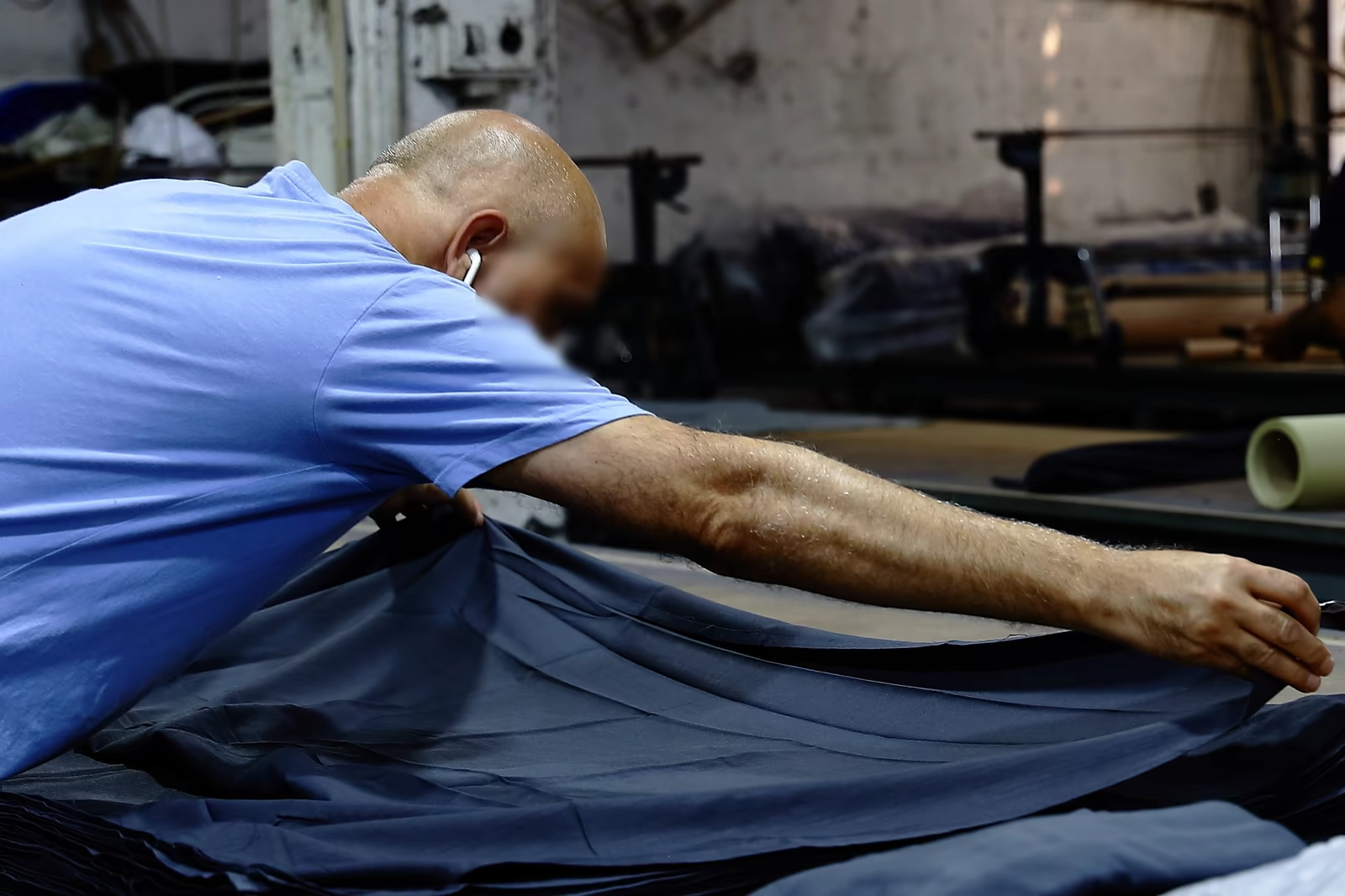
A factory is its people. The cutters, machinists, checkers and finishers here are skilled workers, many with years at their operation, and the floor runs on fair wages, safe conditions and reasonable hours.
A buyer should be able to stand behind the garments they sell. Ethical production is part of how this factory runs every day, and part of what a programme run through this floor means for a brand.
- Fair wages and safe working conditions as standard practice
- Training given at the operation, on the floor
- Long-serving teams who know their work deeply
- A workplace a buyer can describe with confidence
Sewing Programmes for Buyers in the USA and the UK
American and British buyers run core programmes with factories in Dhaka because the basics matter most there. Full size runs, consistent shade and a label programme that holds from one delivery to the next are what these markets ask for.
Programmes are worked to the buyer’s size chart and packing format for each market, whether the garments are bound for a brand’s own stores, an importer’s warehouse or an online range sold under the buyer’s label.
- Full size runs sewn and packed to market standards
- Shade and hand feel held consistent across repeat orders
- Buyer labels, tags and stickers applied in production
- Cartons packed by store or by size curve when instructed
Private label programmes for these markets are handled with particular care. The buyer’s label, care instructions and barcode stickers are prepared to the retailer’s own standard, and size ratios are packed exactly as the range plan asks. For online sellers, garments can be folded and bagged individually, ready to go straight into the buyer’s fulfilment stock on arrival.
An Exporter Serving Germany, Canada and Australia
German buyers ask for consistency above all, and this factory answers with records. The fabric, fit and finish of a programme are documented, so a delivery in spring matches the one that follows in autumn.
Canadian programmes are packed store by store ahead of short selling seasons, and Australian buyers take lighter knit settings for a warm climate. As an exporter, we prepare every order with complete shipping documentation for the buyer’s forwarder.
- Complete export paperwork prepared for every shipment
- Store-by-store packing for multi-location retail buyers
- Fabric weights chosen for the destination climate
- Freight through the buyer’s forwarder or arranged by us
Questions Buyers Ask About the Factory
What is the minimum order quantity for a programme?
The minimum is 3,000 pieces per order. Within that order, a buyer can run two or three styles on one fabric type, in mixed colours and sizes, so a small range can be built inside a single order. Special fabric types can change the minimum, and we confirm it openly before sampling starts.
Can we visit the factory before placing an order?
Yes. Buyers are welcome to visit the factory in Dhaka, see the cutting room and sewing floors, and meet the team who run their programme. Buyers in the USA, the UK and Germany often send their own quality staff or a local agent, which we are equally glad to host.
Do you sew garments with our own label?
Yes, private label is part of production here. Your woven label and size tabs are sewn into the garment, and your hang tags, stickers and packing are applied before the cartons are sealed. Nothing on the garment or in the carton carries our name.
How long does a typical order take?
Sampling usually takes one to two weeks once fabric is available. Bulk production time depends on the style, the fabric and the quantity, and we quote it from real line capacity when the order is costed, then hold to the date we agree with the buyer.
Start Your Programme Through the Factory
If you are planning a clothing programme and want it made properly, send us your specification, tech pack or sample garment. We will cost it openly, arrange your sample, and show you exactly how your order would run through the factory.
When you write to us, it helps to send the style picture or tech pack, the fabric you have in mind, the quantity per colour and the delivery market. With those four things, our team can cost your programme properly and tell you honestly how it would run, before any sample is sewn or any money is committed.
The pictures on this page are symbolic images of garment production, shown so buyers can see the kind of floor, machines and checking their programmes run on. The standard behind them is real, and it is the standard your garments would be made to.