
Apparel Manufacturing
Custom and OEM Manufacturing by a Garment Exporter in Bangladesh
Custom and OEM manufacturing turns your designs into garments under your brand. Huraira Fashion patterns, samples and produces your styles to your specification in Bangladesh, for buyers in the USA, UK, Germany, Canada and Australia, and your design stays your property at every step.
- Materials: Your specified fabrics, trims, prints and branding, sourced and checked against your tech pack before cutting.
- Functionality: Full production of your design as drawn: pattern, sample, bulk sewing, finishing and export packing under your label.
- Size: Your measurement chart and grading across your size range, with a minimum order of 3,000 pieces covering two to three styles on one fabric type in basic types.
- Customization: The whole garment is the customization: your design, your fit, your fabric, your label and your packaging.
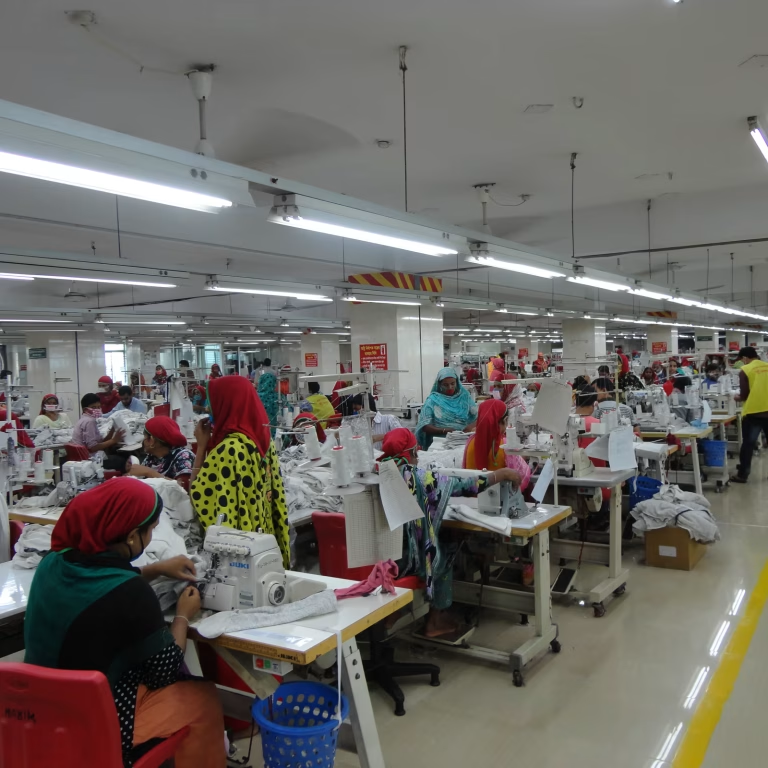
Simply The Best
PORTFOLIOS
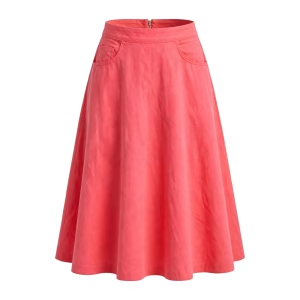
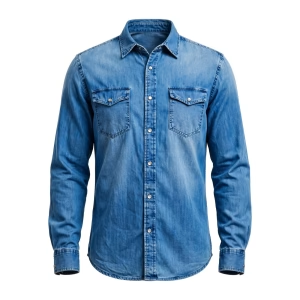
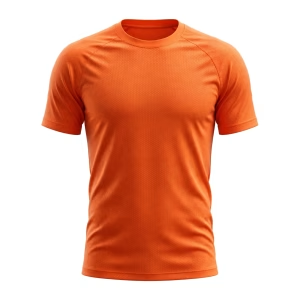
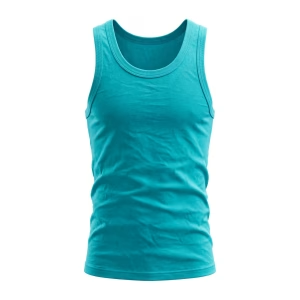
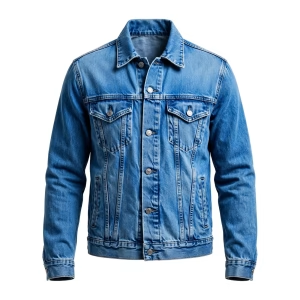
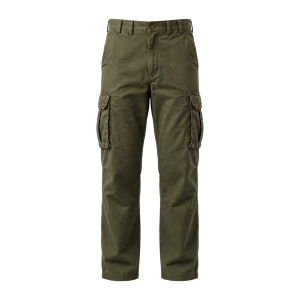
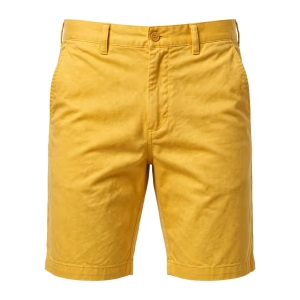
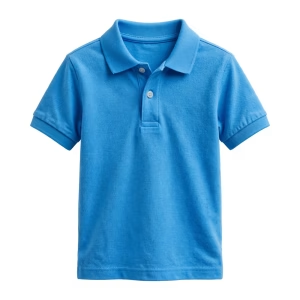
Product Details
Custom and OEM Manufacturing by a Garment Exporter in Bangladesh
Custom and OEM Manufacturing in Bangladesh Explained Plainly
OEM manufacturing means the factory produces garments designed and specified by the buyer, under the buyer brand, to the buyer standard. The design, the fabric choice, the measurements and the branding all belong to the buyer; the factory contributes the production skill, the machinery and the workforce. Huraira Fashion runs custom and OEM programmes for buyers in the USA, UK, Germany, Canada and Australia who bring their own designs and need them manufactured in Bangladesh exactly as specified, with nothing substituted and nothing added.
- Your design, your specification, your brand on every piece
- Production only: no design changes without your approval
- Every garment made to order, never taken from stock
- A pre-production sample approved by you before bulk cutting
How an OEM Garment Exporter Works With Your Design
The working relationship starts with the buyer design package: sketches or photographs, a tech pack with measurements and construction notes, fabric and trim specifications, and the artwork for labels and prints. The factory studies the package, raises any point that cannot be produced as drawn, and quotes the garment as specified. From that moment the design is treated as the buyer property: patterns are made from it, samples are judged against it, and bulk production is checked against the approved sample that came from it.
- Design package reviewed before quotation
- Unproducible points raised early, never silently changed
- Patterns drafted from your measurements only
- Your design files held on your order record only
The Difference Between OEM, Private Label and Standard Orders
The three terms describe who owns the design and the branding. In an OEM programme the buyer owns both: the garment is their design and carries their label. In a private label programme the garment follows a standard or buyer-adjusted pattern but carries the buyer branding. In a standard order the buyer takes the factory patterns with the factory standard labelling. Many buyers mix the models across a range: their hero styles run OEM, their basics run private label, and all of it ships under one brand presentation.
- OEM: your design, your label, your specification
- Private label: standard patterns, your label
- Standard: factory patterns, standard labelling
- Models can mix across one range and one shipment
Choosing between the models is a question of where the buyer strength lies. A brand built on distinctive design protects that strength through OEM production, because the garment itself cannot be bought from another supplier. A brand built on marketing and distribution often prefers private label speed, taking proven patterns and dressing them in strong branding. Neither choice is more professional than the other; the mistake is paying OEM sampling costs for a garment that did not need them, or putting a signature design into a standard programme where its details get simplified away.
What a Custom Clothing Manufacturer Needs in a Tech Pack
A tech pack is the contract between the design and the production floor, and a complete one prevents most sampling rounds. It carries the garment sketches with construction callouts, the measurement chart with tolerances, the fabric and trim list with compositions and weights, print or embroidery placements with sizes, and the label and packing specification. Where a buyer has no formal tech pack, a physical sample garment plus a measurement chart covers the same ground: the pattern is taken from the sample and every detail is recorded before sampling begins.
- Sketches with construction and stitch callouts
- Measurement chart with grades and tolerances
- Fabric, trim and accessory specifications
- Print and embroidery placements with dimensions
- A reference garment accepted where no tech pack exists
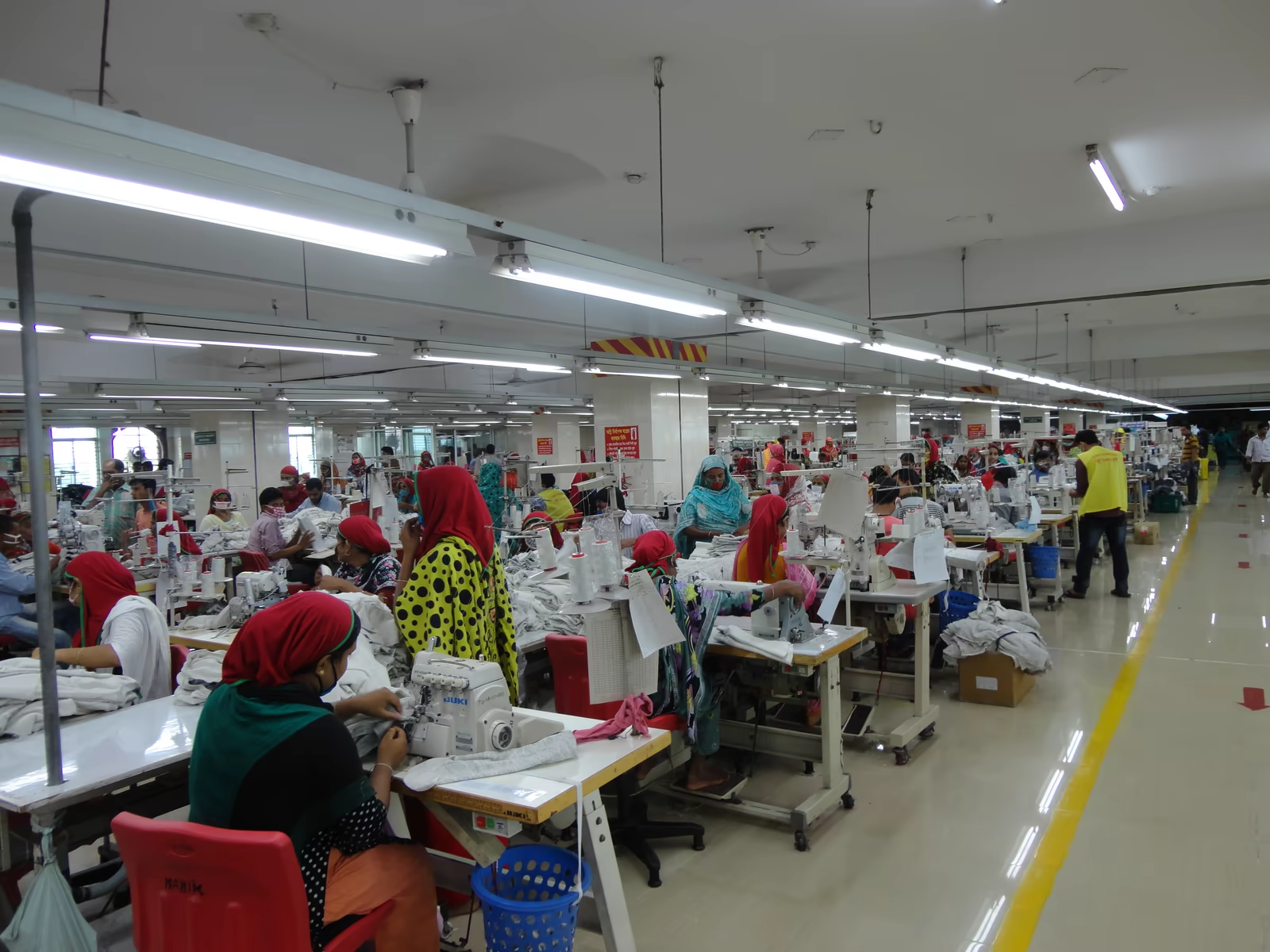
Sampling Your Design Before Bulk Production
The sample is where an OEM design meets real fabric and real machines, and it is judged against the tech pack point by point. Fit, construction, stitch quality, print placement and branding are checked on the pre-production sample, and the buyer comments are recorded in writing. A second round corrects what the first revealed. Bulk cutting waits for written approval of the final sample, because in OEM work the approved sample is the standard: production is not compared with a drawing, it is compared with that garment.
- Sample judged against the tech pack point by point
- Buyer comments recorded and answered in writing
- Correction rounds included before bulk
- The approved sample becomes the production standard
Sampling is also where a garment supplier earns or loses an OEM buyer for the long term. A supplier who samples honestly shows the buyer exactly what the design becomes in production fabric, including the places where a detail must be adjusted to sew cleanly. Those adjustments are proposed, never imposed: the buyer sees the sample, hears the reason, and decides. A design that survives sampling with its character intact goes into bulk with no surprises left in it, and the second order from the same buyer usually samples in half the time.
Minimum Order Quantities for OEM Programmes
OEM programmes follow the same made-to-order economics as every programme here. The minimum order is 3,000 pieces per order, covering two to three styles on one fabric type in the basic types of fabric and garment, because pattern work, sampling and line setup spread across the run. Designs with special fabrics, complex construction or many print placements change the minimum, and the figure for a specific design is confirmed at quotation, before sampling costs are committed, so a buyer always knows the commitment before the first sample is sewn.
- 3,000 pieces per order across two to three styles
- Styles share one fabric type in basic programmes
- Pattern and sampling costs spread across the run
- Special designs confirmed at quotation stage
How a Factory Protects Your Design and Patterns
Design protection in OEM work is practical rather than legalistic. Your patterns, tech packs and artwork are stored against your order record and used for your production only. Your styles are not offered to other buyers, your label stock is not used on any other garment, and leftover branded materials are returned or destroyed at the end of the programme as you instruct. The factory sells production capacity, never buyer designs, and a buyer who returns season after season finds their pattern library intact and exclusively theirs.
- Patterns and files stored on your record only
- Your styles never offered to another buyer
- Your labels used on your garments only
- Leftover branded materials returned or destroyed
The same discipline covers photographs and production information. Sample photos are shared with the buyer for approval and are not published by the factory as portfolio pieces while the style is current, and production figures for a buyer programme are not quoted to other enquirers as examples. An OEM buyer is trusting the factory with the two things competitors would most like to see: next season designs and real order volumes. Both stay inside the order record, and that restraint is a large part of why design-led brands stay with one factory for years.
Production Control From Cutting to Packing
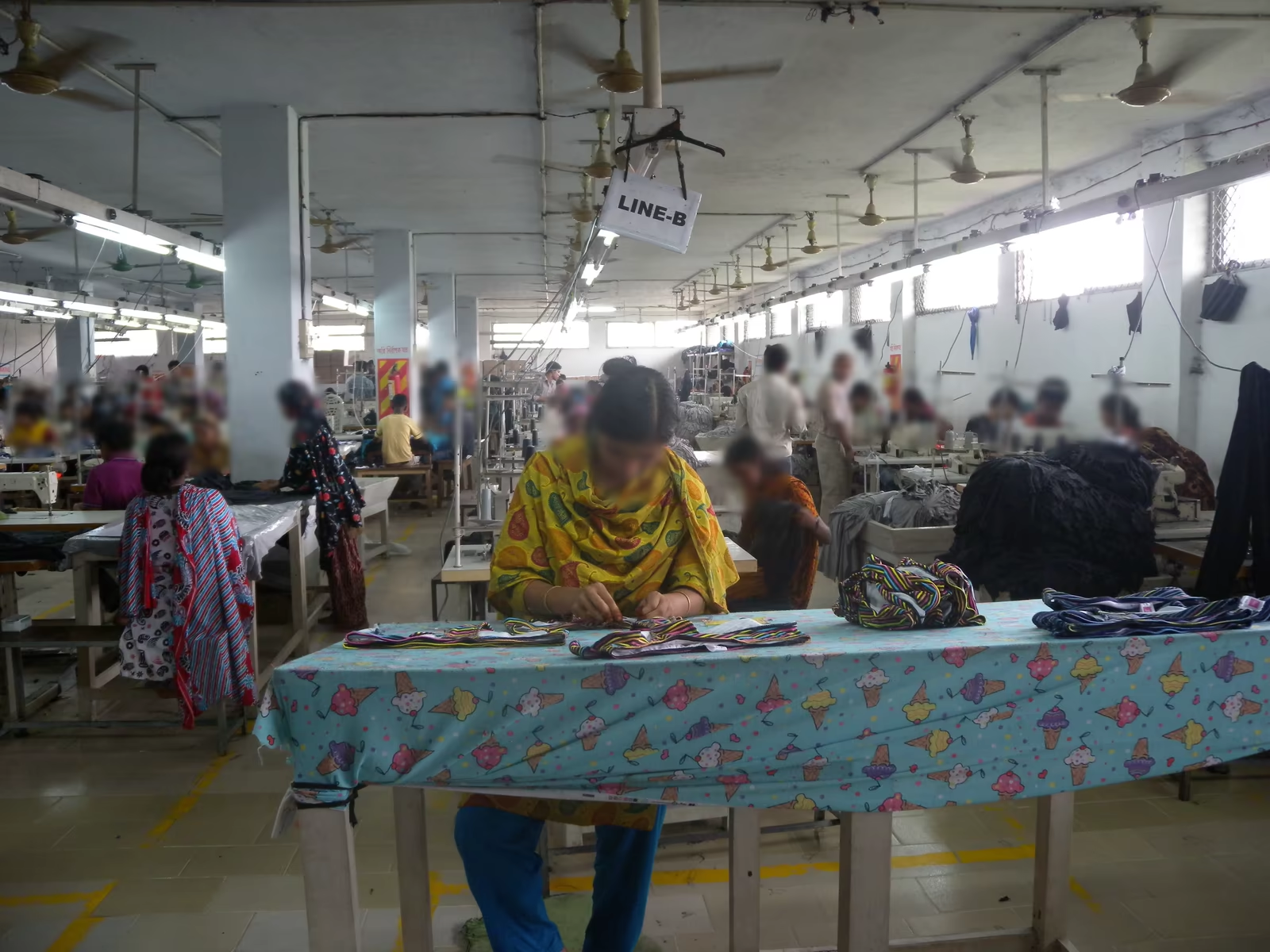
Once the sample is approved, the OEM order runs through the standard production controls with the buyer design as the reference at every stage. The cutting room works from your patterns and markers, inline inspectors check construction against the approved sample, measurements are audited against your chart on finished pieces from every size, and the final inspection confirms branding, packing and carton marks against your specification. A buyer can follow the order through agreed progress reports at each stage rather than waiting for the shipment to learn how it went.
- Cutting from your patterns and markers only
- Inline checks against the approved sample
- Measurement audits against your chart per size
- Stage progress reports agreed at order start
Where an order carries several styles, the controls run style by style rather than across the shipment as a blur. Each style has its own approved sample, its own measurement audit and its own packing check, because a fault caught in one style must never be averaged away by the good pieces around it. The buyer receives the position per style: which are cut, which are sewing, which are in finishing. That per-style visibility is what lets a buyer plan a launch date on evidence instead of hope.
OEM Manufacturing for Buyers in the USA
Buyers in the USA typically bring the most detailed tech packs and the strictest measurement tolerances, and OEM programmes for the American market are built around that discipline. Measurement audits run size by size against the buyer chart, labelling follows the federal format for fibre content and origin, and cartons are marked to the routing guide of the receiving retailer or fulfilment centre. The goal is a shipment that passes receiving inspection without rework, because American chargeback regimes make a labelling or measurement failure far more expensive than the checking that prevents it.
- Size-by-size measurement audits to your tolerances
- Labelling in the United States federal format
- Carton marks to the receiver routing guide
- Receiving inspection passed without rework
OEM Production for Buyers in Canada and Australia
Buyers in Canada and Australia run smaller, sharper ranges where the OEM model fits naturally: a distinctive design, produced faithfully, in a run sized to their market. Canadian programmes carry bilingual labelling where the buyer market requires it, and Australian programmes plan around the longer shipping leg with production slots booked against the season calendar. For both markets the pattern is the same: the design stays the buyer property, the sample sets the standard, and the bulk matches the sample piece for piece.
- Bilingual labelling arranged for Canadian programmes
- Production slots planned around Australian seasons
- Design ownership stays with the buyer throughout
- Bulk matched to the approved sample piece for piece
Common OEM Problems and How They Are Prevented
Most OEM failures are communication failures wearing production clothes. A measurement chart without tolerances makes every audit an argument, so tolerances are agreed at the tech pack stage. A fabric substituted mid-order changes the garment hand feel, so no substitution is ever made without a submitted sample and written approval. Print colours judged on a screen drift in production, so strike-offs are approved on fabric. And a design changed verbally on a call gets lost, so every change is confirmed in writing against the order record before it reaches the floor.
- Tolerances agreed before production, not during audits
- No fabric substitution without an approved sample
- Print colours approved on fabric strike-offs
- Every design change confirmed in writing
Questions Buyers Ask About Custom and OEM Manufacturing
Will you sign a non-disclosure agreement for our designs?
Yes. Buyer designs, patterns and artwork are treated as the buyer property from the first file exchange, and a written non-disclosure agreement can be signed before the design package is sent if your company policy requires one.
Can you work from a physical sample instead of a tech pack?
Yes. A reference garment plus a measurement chart covers the same ground: the pattern is taken from the sample, every construction detail is recorded, and the pre-production sample is judged against the original before bulk.
Do you offer design services as well as production?
The factory develops buyer designs into patterns and samples, and can adjust fits and details with you, but the design direction stays yours. Product development support is available as its own service for buyers building a range.
What happens to our patterns when the programme ends?
They stay on your record, unused for anyone else. On your instruction they are returned or deleted, and any leftover branded materials are returned or destroyed the same way.
Start an OEM Programme With Your First Design
An OEM programme starts with one design and one honest sample. Send the tech pack or the reference garment, and the first thing produced is a pre-production sample that shows your design made real: your fabric, your measurements, your label. Approve it, and the bulk order follows the sample exactly. Send the first design whenever it is ready, and the programme is built around it from the first pattern.
- Send the tech pack or reference garment
- Receive a quotation with quantities confirmed
- Approve the pre-production sample in writing
- Bulk follows the approved sample exactly