
Apparel Manufacturing
Sustainability and Ethical Production at a Garment Factory in Bangladesh
Sustainability at Huraira Fashion is structural: clothing made only against confirmed orders, fabric planned and used carefully, garments checked to last, and packaging set by the buyer's own policy rather than by habit.
- Materials: Conventional, organic or recycled fibres chosen by the buyer, with certified options arranged inside a certified chain when the claim requires it.
- Functionality: Made-to-order production with no speculative stock, marker planning for fabric efficiency and durability checking at every stage of the programme.
- Size: Orders from 3,000 pieces, two or three styles on one fabric type, produced in the buyer's size ratio so unsold sizes are never manufactured.
- Customization: Your label, packaging materials and carton format set to your own sustainability policy, costed openly before the order is placed.
Simply The Best
PORTFOLIOS
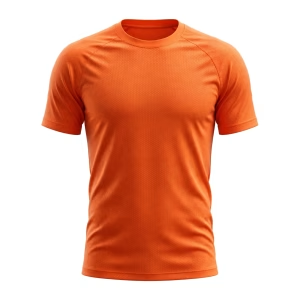
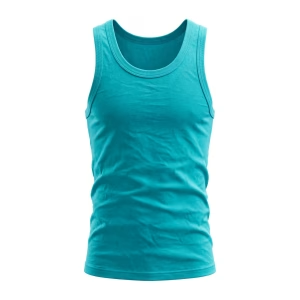
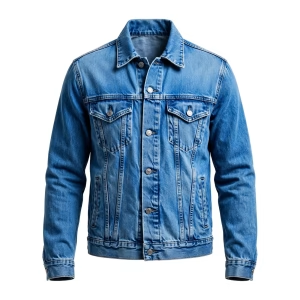
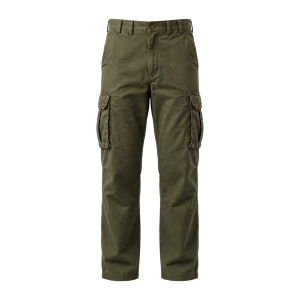
Product Details
Sustainability and Ethical Production at a Garment Factory in Bangladesh
Sustainability and Ethical Production at a Garment Factory in Bangladesh
Sustainability in clothing is mostly decided before a single garment is sewn: in what gets ordered, how much of it, from which fabric, and whether it is made to be kept or made to be cleared. Huraira Fashion works on the simplest version of that idea. Clothing is produced only against confirmed orders, in the buyer’s fabric and specification, checked to last, and shipped with packaging the buyer chooses. This page explains what that means in practice, where the limits are, and what a buyer can specify to lower the impact of a programme.
- Nothing produced speculatively, so no unsold stock is created
- Fabric use planned at the marker stage to cut waste before it exists
- Garments checked for durability, because a longer life is a lower footprint
- Ethical production treated as working conditions, not a slogan
Made to Order Is the First Sustainability Decision
The largest waste in the clothing trade is not cutting scraps; it is finished garments nobody ordered, produced on forecast and cleared, landfilled or burned when the forecast proves wrong. A made-to-order programme removes that category entirely. Production starts from a buyer’s confirmed order and stops at the ordered quantity, so every garment that exists has a destination before it is cut. A buyer who wants a defensible sustainability story can start with that fact: their range contains no speculative overproduction at all.
The model also disciplines reorders. Because the record of a programme is kept, a repeat order is produced from the original specification without re-development sampling, trial yardage or exploratory production, all of which consume fabric and machine time that never becomes a sold garment. A buyer repeating a proven style is therefore running the lowest waste version of that style that exists: the development cost was paid once, in samples the buyer approved, and every later run goes straight to the ordered quantity.
- Production quantities set by confirmed orders, never by forecast
- No clearance stock, no deadstock and no destruction of unsold goods
- Overproduction avoided at the source rather than managed afterwards
- Each programme’s footprint limited to what was actually sold forward
Fabric Efficiency and Cutting Waste
What waste a programme does create begins at the cutting table, and it is planned there too. Markers are laid to use the fabric width efficiently across the size range, and fabric consumption is calculated per garment before cutting so excess purchasing is visible early. Cutting remnants are the unavoidable remainder of making real garments, but their size is a management decision: tight markers, accurate ordering and honest consumption figures keep the leftover share of a programme small.
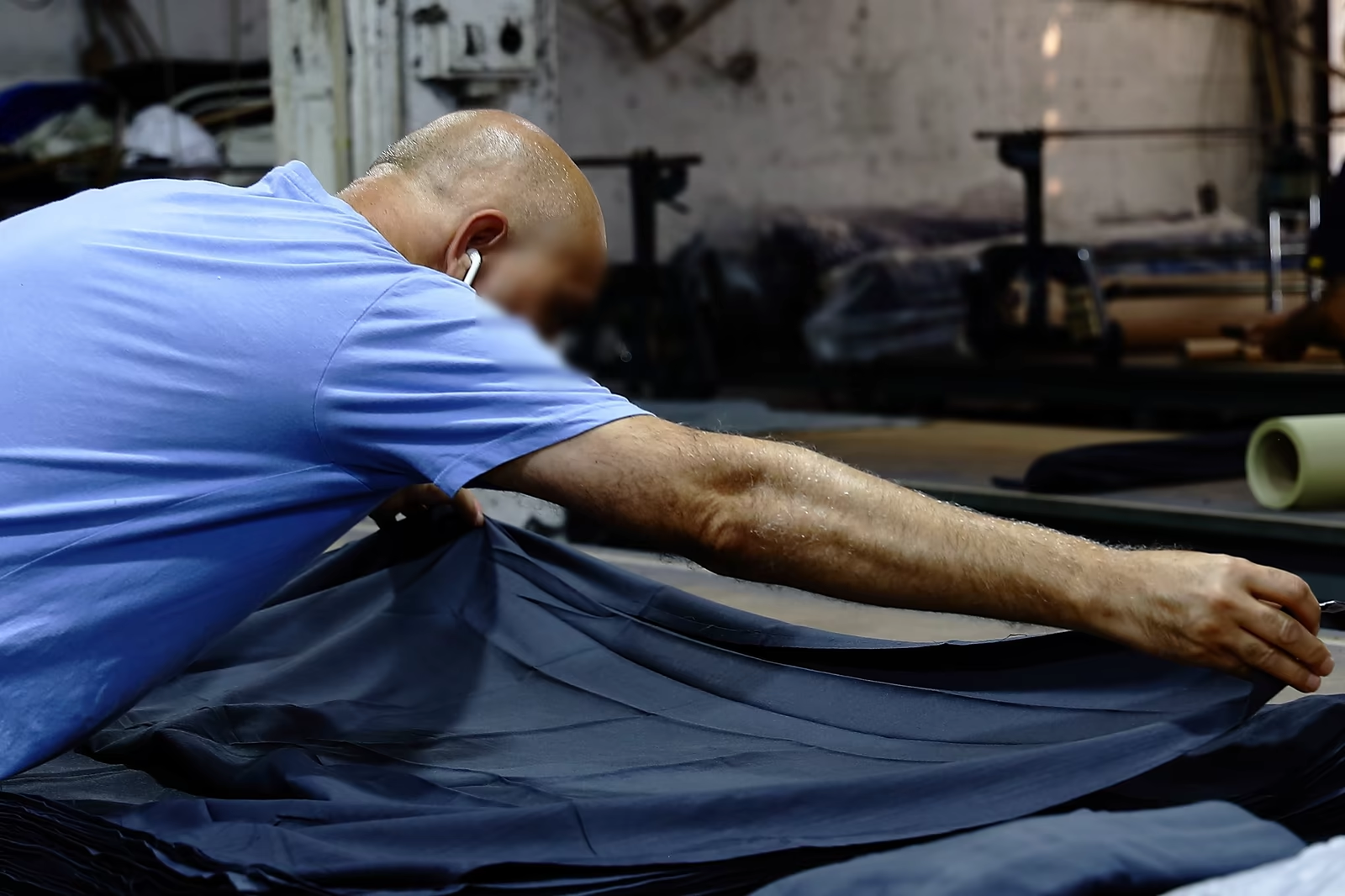
Size planning plays a quiet part in that efficiency. A buyer’s size ratio decides how the marker is built, and a ratio that matches real demand avoids two kinds of waste at once: fabric spent on sizes that will not sell, and finished garments in those sizes joining the clearance problem the made-to-order model exists to prevent. Buyers are therefore asked for their expected ratio early, and where a ratio looks speculative, the conversation happens before cutting rather than after. Sustainability in a garment programme is often this unglamorous: accurate numbers, agreed early, followed exactly.
- Markers planned for efficient use of the full fabric width
- Fabric consumption calculated per garment before cutting
- Ordering matched to real consumption, not padded quantities
- Cutting remnants kept to the unavoidable minimum
A Supplier That Makes Clothing Built to Last
A garment worn for years has a fraction of the footprint of one replaced each season, whatever either is made from. Durability is therefore a production standard at Huraira Fashion, not a premium extra: stitch density set for the fabric, stress points reinforced, seams checked during sewing rather than after failure, and finished garments measured and inspected before packing. Buyers support the same goal from their side with honest fabric choices, because a well sewn garment in a weak cloth still fails early.
- Stitch settings and reinforcement matched to fabric and garment type
- Seams and stress points reviewed during production
- Finished garments inspected before they are packed
- Buyers advised plainly when a chosen fabric will not last
Water, Dyeing and Chemical Care
Dyeing and washing are the wet stages of clothing production, and they are where water use and chemical handling concentrate. Those processes sit with the mills and wash units a programme uses, and a buyer’s specification steers them: fibre choice, dye class and wash intensity are all set in the order. Programmes can be arranged with fabrics carrying recognised chemical testing, as described on the certifications and compliance page, and wash effects kept to what the design genuinely needs rather than applied by habit.
- Wet processing steered by the buyer’s fabric and wash specification
- Chemically tested fabrics available by specification
- Wash intensity limited to what the design requires
- Fabric inspected on arrival so faulty cloth is never processed further
Ethical Production and the People Who Sew
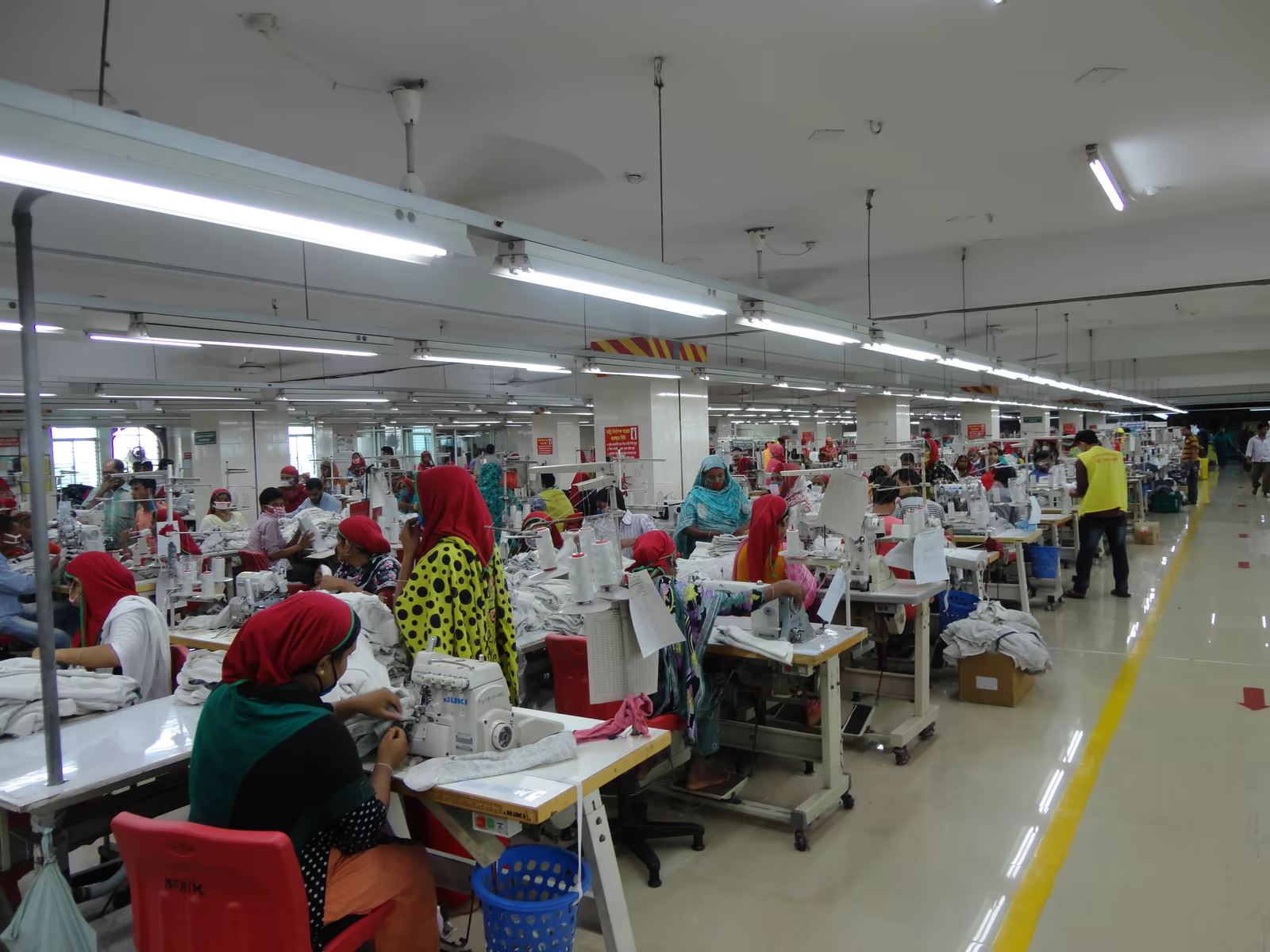
The ethical half of this page concerns the people at the machines. Production arranged through Huraira Fashion follows Bangladesh labour law on hours, wages and worker age, and buyers may add their own codes of conduct to the order specification, with audits accommodated as the compliance page explains. Ethical production is not a certificate on a wall; it is the daily condition of the floor a programme is sewn on, and buyers are entitled to ask about it specifically and to verify it.
Working conditions also include the ordinary securities a buyer rarely sees on a checklist: wages paid on schedule, overtime worked within legal limits and recorded, drinking water and sanitation maintained, and a route for a worker to raise a grievance without penalty. These are the substance behind the word ethical, and they are exactly what a buyer audit examines when it is done properly. A buyer whose brand promises fair production should expect this level of detail in the answers they receive, and should be suspicious of any supplier who answers the subject only with adjectives.
- National labour law as the floor for hours, wages and worker age
- Buyer codes of conduct accepted into the order specification
- Audits and visits accommodated by arrangement
- No child labour and no forced labour in any programme
Packaging Choices a Buyer Controls
Packaging is the part of a garment’s footprint the buyer sees most directly, and it is set by the buyer’s own instruction. Polybag use, recycled packaging materials, hang tag stock and carton format are all specification choices, confirmed at costing so their price effect is visible before the order is placed. A buyer working to a packaging policy sends it with the tech pack, and the packing stage follows it piece by piece, with the same checking applied to packing as to sewing.
- Polybag and packaging materials chosen by the buyer
- Recycled packaging options costed openly at enquiry
- Hang tags and carton formats prepared to the buyer’s policy
- Packing checked against the instruction before cartons are sealed
Lower Impact Fibres a Buyer Can Specify
Fibre choice sits with the buyer, and the realistic options are well understood: organic cotton inside a certified chain, recycled fibres under the relevant standards, and durable conventional fabrics that earn their footprint back through long use. The company’s role is honest guidance. A fibre that suits the garment, the price point and the buyer’s claim is recommended plainly, and where a claim needs certification, the programme is planned inside the certified chain from the start, as the compliance page describes.
- Organic cotton programmes arranged inside a certified chain
- Recycled fibre options specified under Textile Exchange standards
- Durable conventional fabrics recommended where they serve better
- Claims limited to what the chosen chain actually certifies
Programmes for the USA and the UK
American and British buyers increasingly publish their own sustainability commitments, and their suppliers are expected to evidence them. A made-to-order programme gives those buyers concrete facts to publish: zero speculative overproduction in their range, fabric specified by name and standard, durability checking on every order and packaging set by their own policy. That evidence is more useful to a brand than a generic green claim, because each point can be traced to a decision in the order record.
- Order-level facts available for the buyer’s own reporting
- Fabric and packaging decisions recorded per programme
- No speculative stock anywhere in the buyer’s range
- Claims traceable to the order record, not to a brochure
Buyers in Germany, Canada and Australia
German buyers often arrive with detailed environmental questionnaires, and programmes for Germany are documented accordingly, from fibre declarations to packaging composition. Canadian and Australian buyers focus on accurate fibre content labelling and packaging reduction, both handled as specification items. In each market the pattern is identical: the buyer’s sustainability requirements are written into the programme at enquiry, and the finished order is checked against them like any other part of the specification.
- Environmental questionnaires answered from the order record
- Fibre content declarations prepared accurately per style
- Packaging reduction targets built into the packing instruction
- Sustainability requirements checked like any other specification
Honest Limits of a Small Exporter
This page should end its claims where the facts end. Huraira Fashion is a small exporter, not a research institute: it does not publish a carbon account it cannot measure, does not promise carbon neutral shipping, and does not label a programme sustainable because one element of it improved. What it offers is a production model with structural advantages a buyer can verify: nothing made without an order, fabric used carefully, garments built to last, people working under law, and every sustainability choice the buyer makes actually carried out. Buyers who value verified practice over vocabulary will recognise the difference.
- No unmeasured carbon or neutrality claims
- No programme labelled sustainable on a single improvement
- Structural advantages stated only where they can be verified
- Buyer specifications carried out and checked, not merely noted
Questions Buyers Ask About Sustainability
Is made-to-order production really more sustainable?
In the area that matters most, yes. It removes speculative overproduction, which is the clothing trade’s largest single source of waste, because nothing is made that nobody ordered. It does not by itself solve fibre, dyeing or transport impacts, which is why those are handled as specification choices on the same programme rather than ignored.
Can my range use organic or recycled fabric?
Yes, when the programme is planned for it from the first enquiry. Certified organic and recycled claims depend on an unbroken certified chain from fibre to garment, so the fabric source and production route are arranged inside that chain before costing is finalised, and the claim on your label then matches what the certificates support.
Can I reduce or change the packaging?
Yes. Polybags, tag stock, carton format and recycled materials are all buyer choices, costed openly at the enquiry stage so the effect on price is visible before you commit. Send your packaging policy with the tech pack and it becomes part of the packing instruction.
How can I verify the ethical side of production?
Ask specifically, and audit by arrangement. Production follows Bangladesh labour law, your own code of conduct can be added to the order specification, and buyer or third-party audits are accommodated as described on the certifications and compliance page. The answers you receive will be specific to your programme, not general statements.
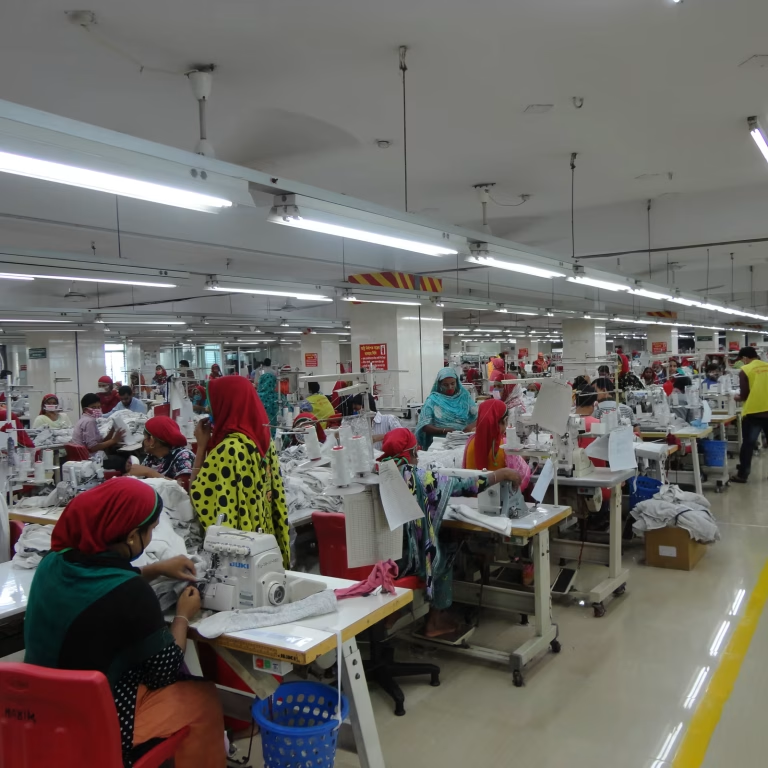
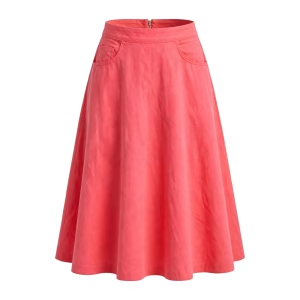
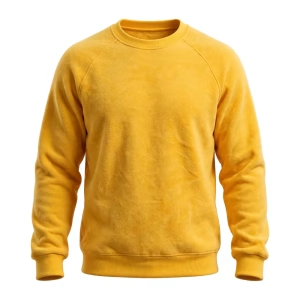
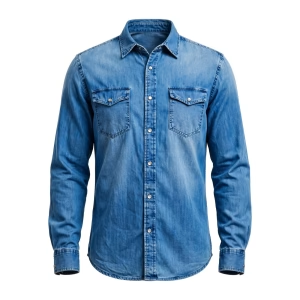
Build a Range That Wastes Less From the First Order
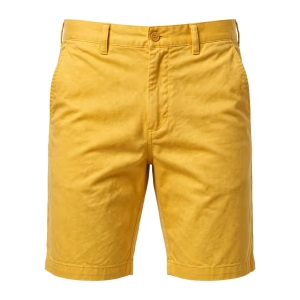
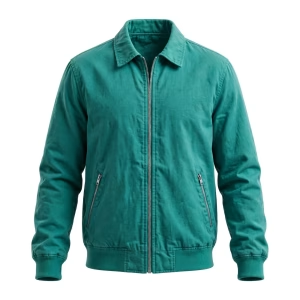
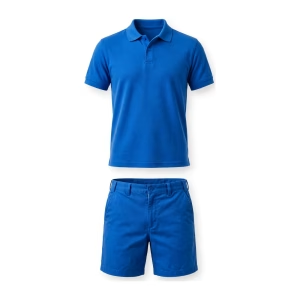
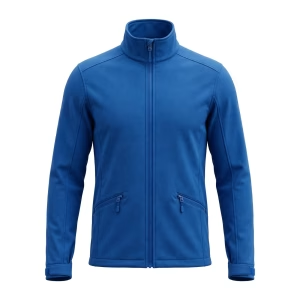
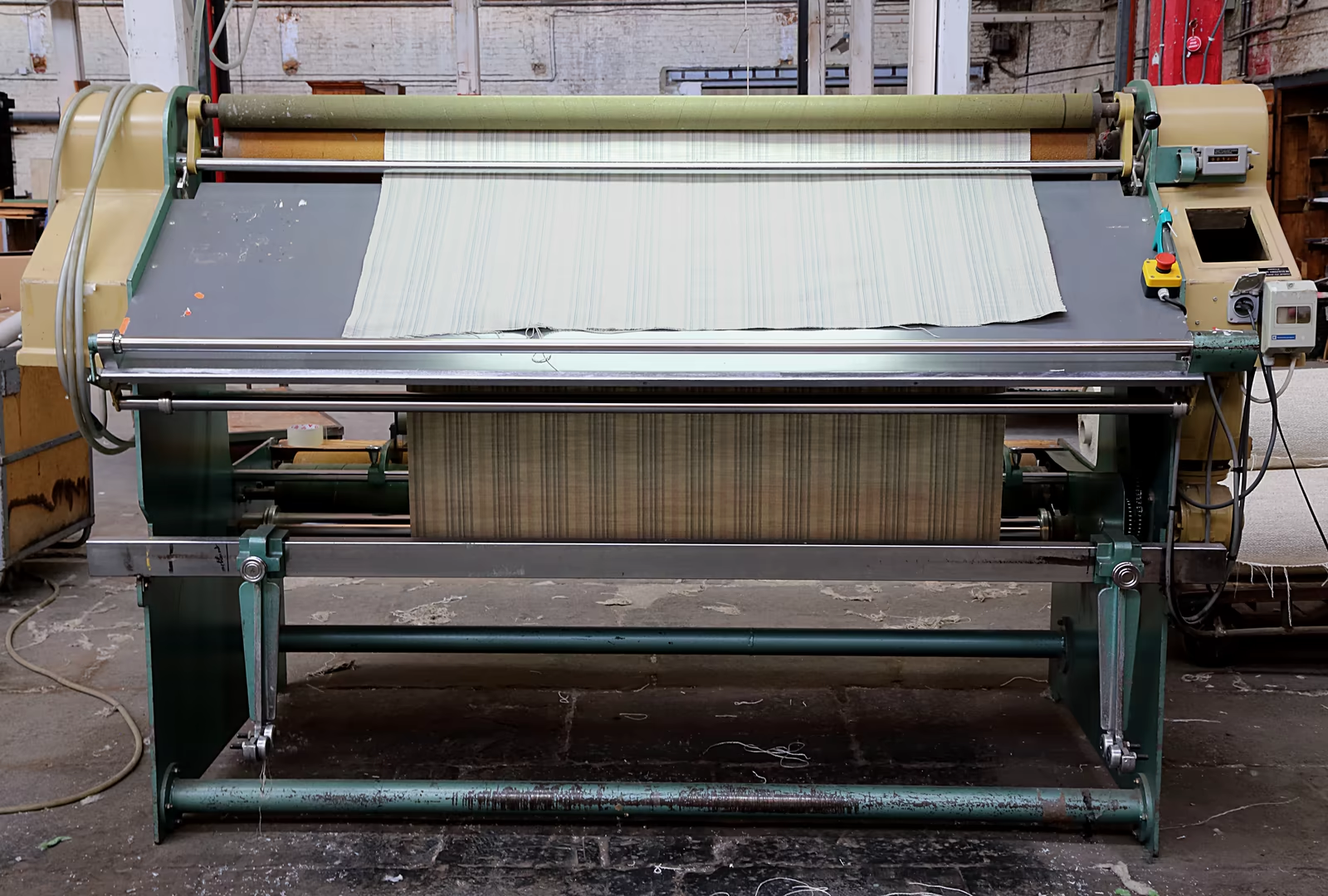
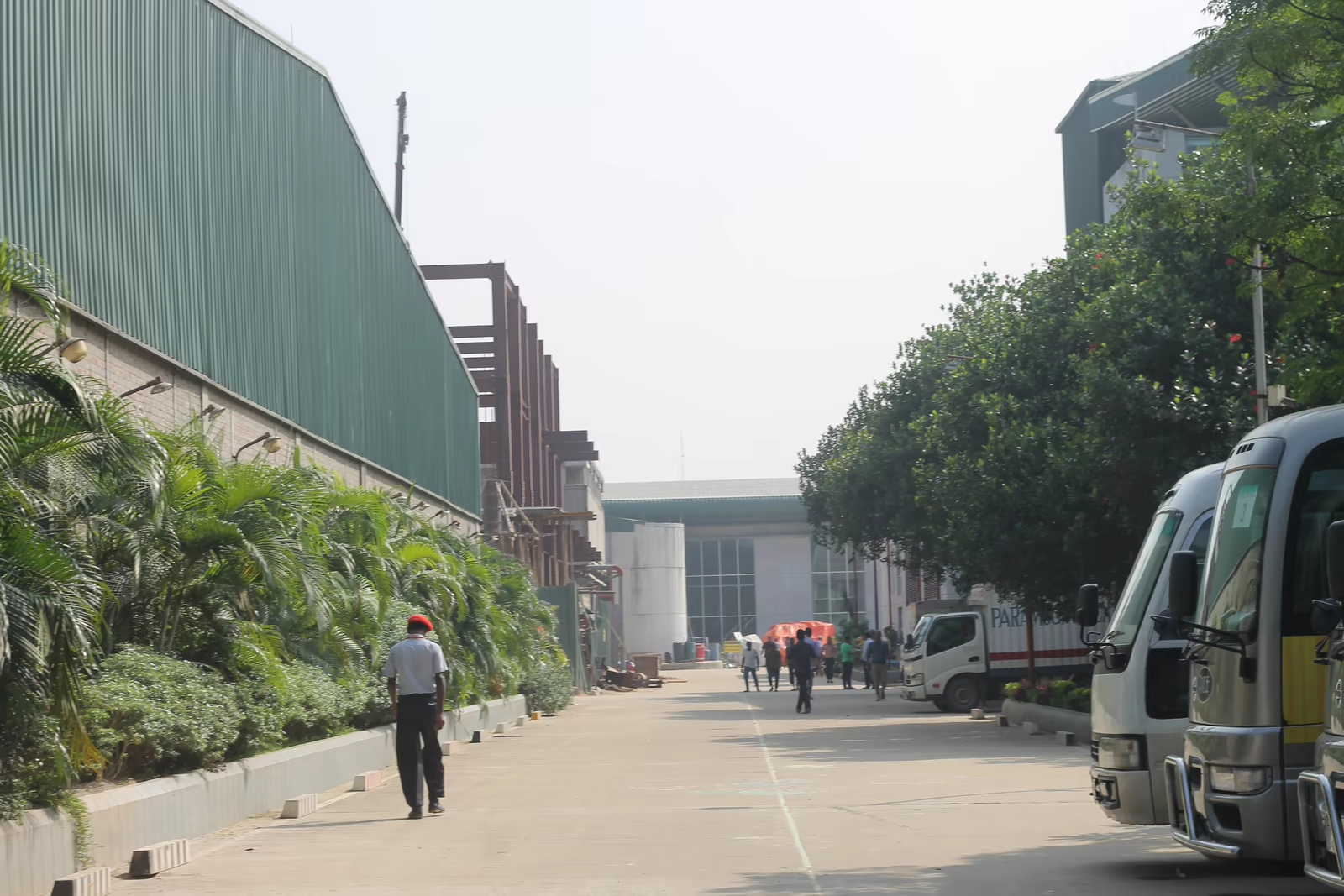
The practical invitation matches the page: send one programme through the contact page with your fabric, packaging and conduct requirements written in, and judge the result against them. A range that begins with nothing made speculatively, fabric used carefully and garments built to be kept has already done the largest part of what sustainability in clothing can honestly promise, and it has done so in ways a buyer can point to, order by order, in their own records. The photographs on this page are symbolic images of garment production of the kind arranged for buyers, shown so the process can be pictured clearly.