
Apparel Manufacturing
Our Business Process at a Garment Exporter in Bangladesh
Our business process runs every order through the same eight stages: enquiry, quotation, sampling, confirmation, production, inspection, shipment and reorder. Huraira Fashion works this way for buyers in the USA, UK, Germany, Canada and Australia, with written records and stage updates throughout.
- Materials: Fabric, trims and labels ordered against your confirmed order and inspected before cutting begins.
- Functionality: A visible process: you always know the stage your order has reached and what happens next.
- Size: Programmes from 3,000 pieces covering two to three styles on one fabric type in basic types, run stage by stage.
- Customization: Your sample, specification, labelling and packing govern every stage, and nothing changes without your written approval.
Simply The Best
PORTFOLIOS

Product Details
Our Business Process at a Garment Exporter in Bangladesh
Our Business Process at a Garment Exporter in Bangladesh, Step by Step
Buyers work better with a factory whose process they can see. This page lays out the complete business process at Huraira Fashion, from the first enquiry to the delivered shipment and the reorder that follows, in the order it actually happens. Every order for buyers in the USA, UK, Germany, Canada and Australia runs through these same stages, with the same written records at each step, so a buyer always knows where an order stands, what happens next, and what is needed from their side to keep it moving.
- Eight stages from enquiry to delivered shipment
- Written records and approvals at every stage
- Stage updates sent to the buyer as they happen
- The same process for first orders and reorders
Stage One and Two: Enquiry and Quotation
The process opens with the buyer enquiry: garment, fabric direction, quantities, sizes and destination. The enquiry is studied against production reality before it is priced, and any point that cannot be produced as described is raised at this stage rather than after money has moved. The quotation that follows is written and complete: the garment priced as specified, the applicable minimum order quantity, the shipping term, and what the price includes down to labels and packing. A buyer comparing quotations from several factories should be able to lay them side by side; this one is written so it can be.
- Enquiry studied before it is priced
- Producibility problems raised immediately
- Written quotation with minimum and terms
- Labels and packing inside the quoted price
The quotation stage is also where the relationship gets its tone. A factory that prices carelessly and renegotiates later teaches the buyer to distrust every later number, including the delivery date. A quotation that separates the garment cost, the branding and the packing, and states its assumptions in plain language, lets the buyer challenge a line rather than the whole document. Most long programmes begin with a quotation argument that ended in respect, because both sides discovered the other was working from real figures.
Stage Three: Sampling and Approval
Accepted quotations move to sampling. The pre-production sample is sewn in the actual fabric with the actual trims and the buyer labels, then measured and checked against the specification before it is sent. The buyer comments are answered in writing, corrections are made on the pattern and the sample, and the stage ends only with a written approval. That approved sample is sealed as the production standard: it travels with the order file, and cutting, sewing, inspection and packing are all judged against it for the rest of the process.
- Sample in actual fabric, trims and labels
- Measured against the specification before sending
- Comments answered and corrected in writing
- Approved sample sealed as the standard
Sampling is deliberately the slowest stage, because it is the only stage where changing the garment costs an email instead of a production run. Buyers sometimes press to shorten it when a selling date looms, and the honest answer is that the sample stage can be overlapped with fabric preparation but never skipped: the bulk order will reproduce whatever the sample is, including its mistakes, at full quantity. A week spent here is the cheapest insurance in the entire process, and the stage record shows exactly what was approved and by whom.
Stage Four: Order Confirmation and Materials
On sample approval the order is confirmed in writing with final quantities per style, colour and size, the delivery schedule, and the payment and shipping terms. Materials are then ordered against it: fabric from the mill, trims, labels woven and printed, cartons and packing materials. Fabric arrival is reported to the buyer, and the fabric inspection happens before the material is released to cutting, because this is the last cheap moment to catch a fabric problem. The production slot is booked against the confirmed schedule at this stage.
- Order confirmed with quantities and schedule
- Fabric, trims and labels ordered in parallel
- Fabric arrival reported, inspection before cutting
- Production slot booked on confirmation
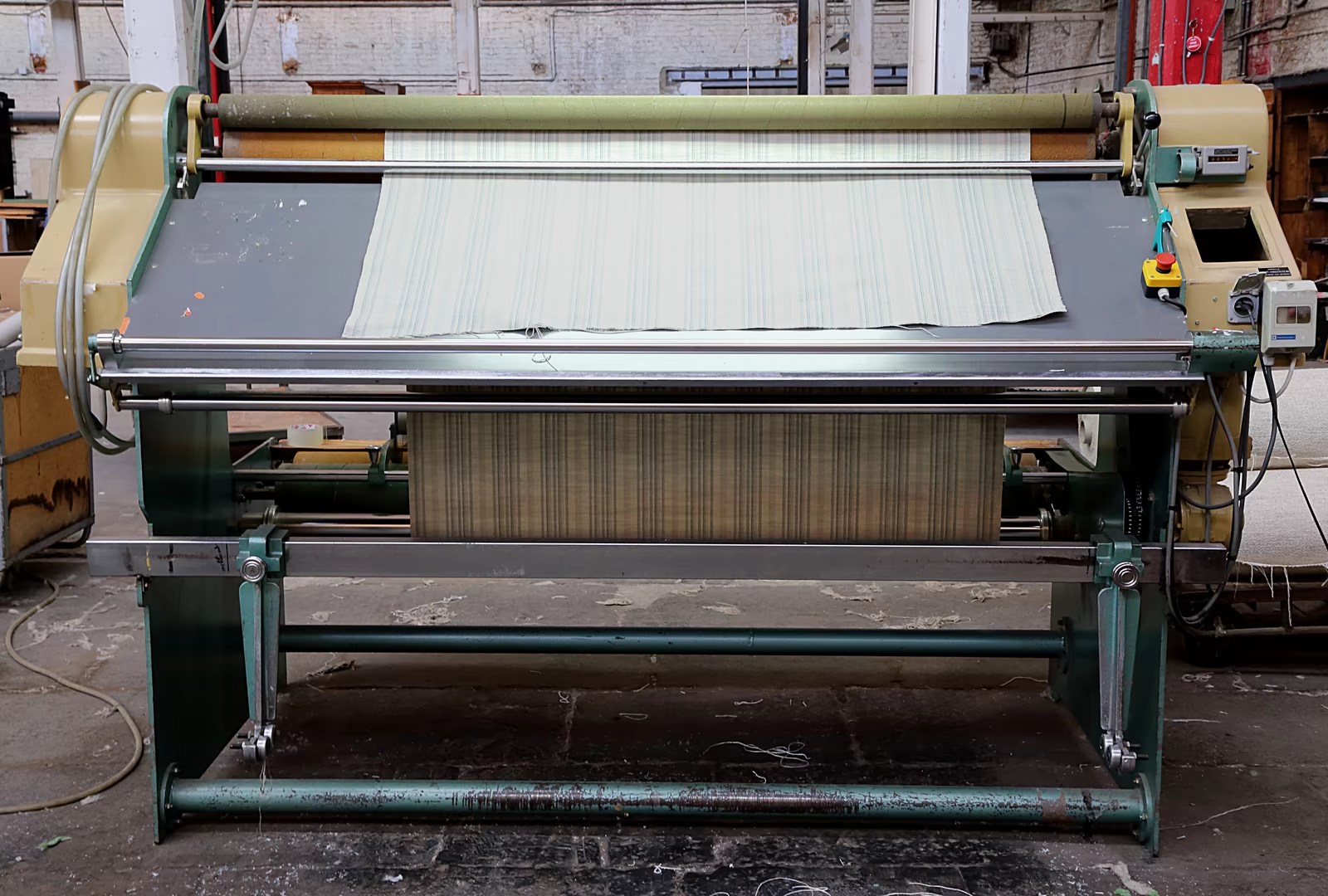
Stage Five: Production on the Factory Floor Under the Control Chain
Production runs cutting, sewing, finishing and packing under the quality control chain described on the quality page: roll-level fabric control, inline inspection during sewing, per-size measurement audits, and branding checks at finishing. The buyer receives stage updates as the order moves: cutting started, sewing under way, finishing in progress. Nothing in this stage is improvised. The patterns are the approved patterns, the fabric is the approved fabric, and any proposed change, however small, goes back to the buyer in writing before it touches the order.
- Cutting, sewing, finishing in sequence
- Inline and measurement checks throughout
- Stage updates sent as the order moves
- No change without written buyer approval
Production is also where the buyer money is most exposed, and the process treats it that way. Materials bought for the order are the order materials, counted in and counted out; the cutting room reports consumption against the marker plan, so a fabric shortage is discovered at the first lay rather than the last bundle. A garment manufacturer running several programmes at once survives on exactly this counting discipline, and the buyer benefits from it directly: the quantities promised at confirmation are the quantities the line is managed to deliver.
Stage Six: Final Inspection and Packing
Before cartons close, the final inspection samples the finished goods against the agreed quality level and the approved sample: defects, measurements, labelling, branding and packing correctness. Buyer-appointed and third-party inspectors are welcomed at this stage and given the full order file. Packing follows the buyer packing list exactly, ratios, polybags, stickers and carton marks, and cartons are counted and weighed before dispatch is booked. A failed inspection triggers sorting and full re-inspection, reported to the buyer the same day with the revised timeline.
- Final inspection against the agreed level
- Buyer and third-party inspectors welcomed
- Packing exactly to the buyer list
- Failures reported same day with the plan
Stage Seven: Documents and Shipment
The export stage prepares the document set, invoice, packing list, transport document and origin certificate, cross-checked as one consistent set, and moves the goods on the agreed term: FOB Chattogram or CIF to the destination port, by sea as standard or air where the date requires it. Milestones are reported as they happen: goods handed over, vessel sailed, documents issued and shared with the buyer. The process treats the shipment as part of the order, not as an afterthought, because the buyer experience ends at their warehouse, not at the factory gate.
- Document set cross-checked as one
- FOB or CIF, sea or air, as agreed
- Milestones reported through dispatch
- Documents shared with the buyer on issue
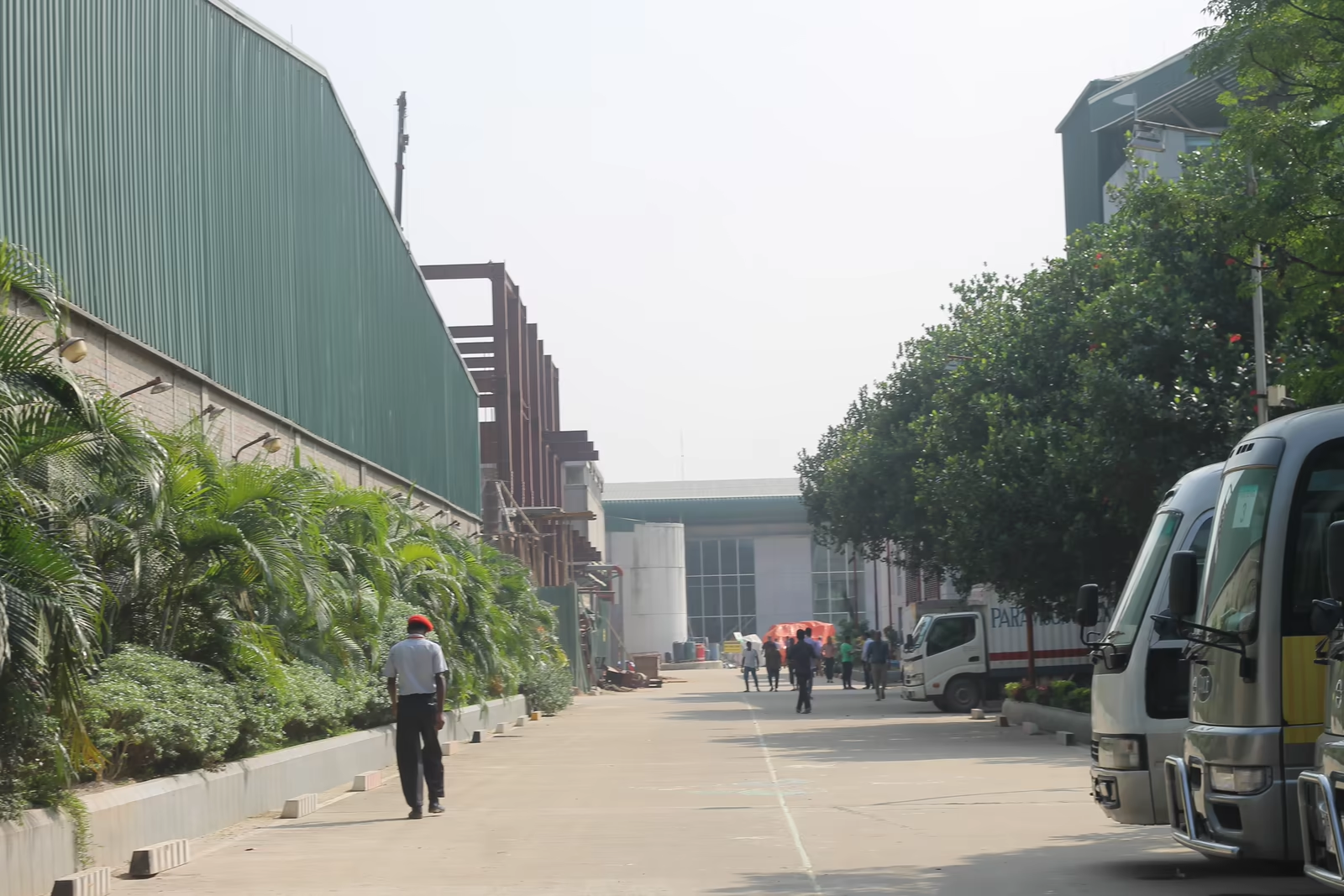
Stage Eight: After Delivery and the Reorder
The process does not end at the vessel. The order file, patterns, approved sample record, specifications and inspection reports, is retained, and buyer feedback from the delivered shipment is recorded against it: fit comments from their customers, selling performance, any claim and its resolution. A reorder then starts from the retained file rather than from memory, which is why second orders run faster and cleaner than first ones. Buyers who grow a range season by season accumulate a pattern and specification library that belongs to them and compounds in value.
- Complete order file retained after delivery
- Buyer feedback recorded against the file
- Reorders start from the file, not from memory
- Pattern library accumulates for the buyer
How a Supplier Communicates Through the Process
Communication is a stage of its own, running underneath all the others. Every quotation, approval, change and problem moves in writing, so both sides hold the same record. Stage updates are short and factual: what stage, what date, what next. Problems are reported when they are found, with the size of the problem and the proposed correction, never after they have solved themselves or grown. Buyers dealing across time zones get answers that wait for them in the morning rather than questions that need a meeting, and a single order contact keeps the thread unbroken from enquiry to delivery.
- Everything material confirmed in writing
- Short factual updates at each stage
- Problems reported with size and solution
- One contact thread from enquiry to delivery
The written record protects the buyer in a way that is easy to undervalue at the start. When a question arises months later, about a measurement agreed in March or a label colour approved in April, the answer is a document rather than a recollection. Buyers who have lived through one disputed order with another supplier recognise the value instantly: in this process, nothing important exists only in somebody memory, and the file can be opened for the buyer at any stage, including after the goods have long been sold through.
The Process for Buyers in the UK Starting a First Order
First orders from buyers in the UK usually carry the most questions, and the process is built to absorb them: extra explanation at the quotation stage, a sample round treated as education as much as approval, and honest guidance on range size and fabric choice for a first programme. The stages do not change, but the hand-holding inside them does, because a first order that succeeds becomes a programme, and a first order that confuses becomes a story the buyer tells about the whole industry. The process is therefore at its most patient exactly where buyers are newest.
- Full explanation at every first-order stage
- Sampling treated as education and approval
- Honest range and fabric guidance
- Patience where buyers are newest
The Process for Buyers in Germany Running Repeat Programmes
Repeat programmes for buyers in Germany run on the retained file: the same patterns, the same specification discipline, the same document formats their warehouse and customs broker already know. The stages compress where they safely can, sampling reduced to the changed elements, documentation prepared from the proven set, but no stage is skipped, because the discipline that made the first order pass is the same discipline that makes the tenth pass. Consistency across seasons is itself a product, and this process is how it is manufactured.
- Repeat orders run on the retained file
- Sampling covers only the changed elements
- Document formats kept identical across seasons
- No stage skipped, however routine the order
Questions Buyers Ask About the Business Process
How do we know where our order has reached?
Stage updates are sent as each stage begins and completes, and the order contact answers position questions against the live order file. Buyers never need to guess or to chase through several people.
What is needed from us during the process?
Four things: complete enquiry information, timely sample comments and written approval, labelling and packing details before production, and the inspection arrangement if you appoint one. Everything else is handled on this side.
Can the process handle several styles at once?
Yes. Styles run as parallel programmes inside one order, each with its own sample, specification and checks, sharing fabric buying, minimum counting and shipping where they can. The updates report the position per style.
What records do we receive at the end?
The full document set for the shipment, the final inspection report and the measurement records, all kept on your order file and available again at reorder. Your patterns and specifications remain your property throughout.
One Process, Run the Same Way Every Time
The value of a written process is that it does not depend on memory, mood or which week an order lands in. Send the first enquiry, and the stages on this page are the stages your order will follow, with the records to prove it at the end. The invitation is simply to start stage one.
- Send the enquiry with the garment details
- Follow the stages with written updates
- Approve the sample and the inspection
- Receive the shipment and the full record
That consistency is the real product on offer. Any single order can be rescued by heroics; a programme that repeats across seasons can only be carried by a process. Buyers are invited to judge this one not by its description here but by the records their first order produces.