
Apparel Manufacturing
Private Label Clothing by a Garment Manufacturer in Bangladesh
Private label clothing puts your brand inside garments made to order in Bangladesh. Huraira Fashion sews your label, hangs your tags and packs in your bags, on clothing produced to your specification for buyers in the USA, UK, Germany, Canada and Australia.
- Materials: Your woven labels, care labels, hang tags, stickers and printed polybags produced from your artwork files.
- Functionality: A complete retail-ready piece: branded garment, tagged, stickered and bagged, ready for the shelf or the fulfilment centre.
- Size: Programmes run across your full size range, with a minimum order of 3,000 pieces covering two to three styles on one fabric type in basic types.
- Customization: Label weave and colours, tag stock and print, bag printing and carton marks all follow your brand file exactly.
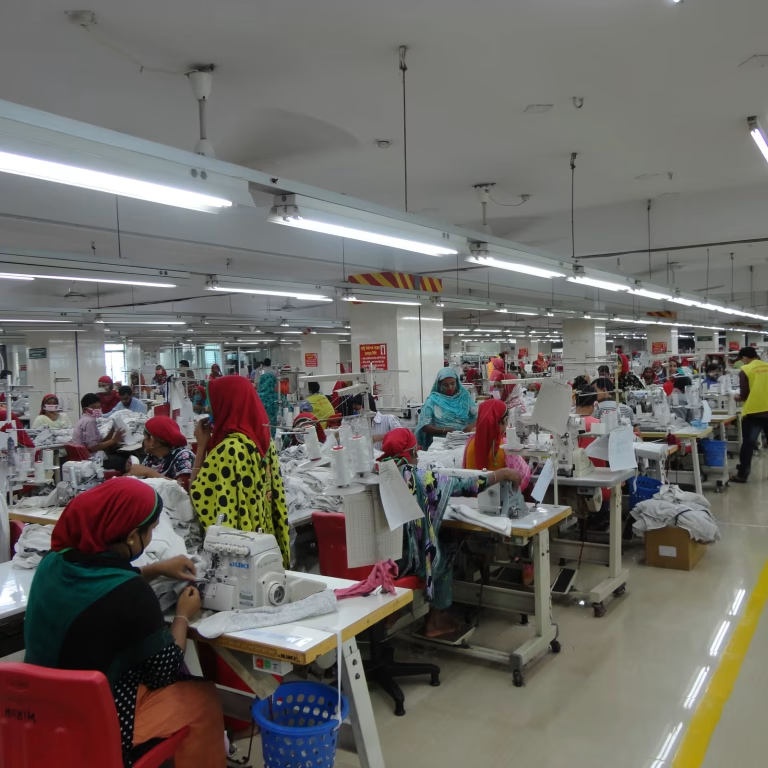
Simply The Best
PORTFOLIOS
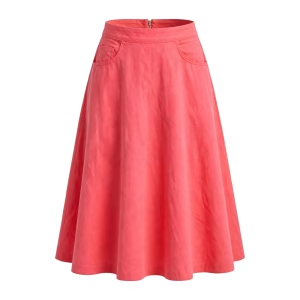
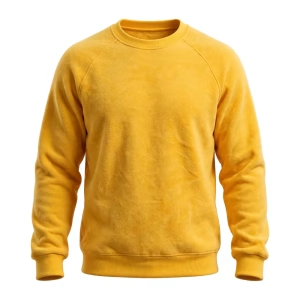
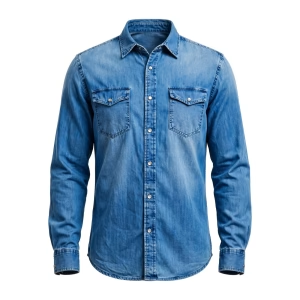
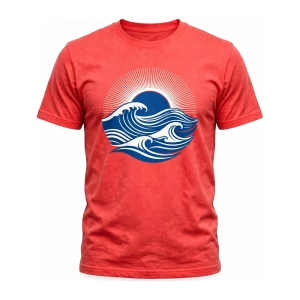
Product Details
Private Label Clothing by a Garment Manufacturer in Bangladesh
Private Label Clothing Manufacturer in Bangladesh for Your Own Brand
Private label clothing is how a brand sells garments under its own name without owning a sewing floor. The buyer brings the label, the artwork and the specification, and the factory makes the garments to order with that branding sewn, printed and packed in from the first step. Huraira Fashion runs private label programmes for buyers in the USA, UK, Germany, Canada and Australia who want their own label inside clothing made in Bangladesh, with every branding element applied exactly as their artwork file specifies.
- Your woven neck label, size tabs and care label in every garment
- Your hang tags, barcode stickers and printed polybags
- Garments made to order only, never pulled from stock
- Artwork checked and a labelled sample approved before bulk
What a Private Label Supplier Puts Your Name On
A private label programme covers every place a brand appears on and around a garment. The woven main label at the neck or waist carries the brand name, the size tab sits beside it, and the care label carries the fibre content and washing instructions the destination market requires. Outside the garment, hang tags carry the brand story and price panel, barcode stickers carry the retail codes, and the polybag can carry printed warnings and branding. Each element is made from the buyer artwork, so the finished parcel looks like it came from the brand own warehouse.
- Woven main labels in damask or satin weave from your artwork
- Printed care labels with market-correct fibre and care wording
- Hang tags with string, safety pin or loop attachment
- Barcode and SKU stickers matched to your packing list
- Printed or plain polybags with the required suffocation warnings
The branding set is priced as part of the garment quotation, not as a surprise added later. Woven labels, printed care labels, hang tags and stickers are small costs per piece, but they are quoted per piece from the start so the buyer landed cost is honest. Buyers comparing two factories on garment price alone often find the cheaper quote simply left the branding out; here the full branded, tagged and bagged piece is the only thing ever quoted.
How the Label and Tag Artwork Is Checked
Branding errors are the costliest mistakes in private label work because they repeat on every piece, so the artwork stage is handled slowly and in writing. The buyer sends vector artwork with sizes, colours and placement notes. The label weaver returns a scan or photo of the woven sample for approval before the label roll is produced, and the printer proofs the hang tag and sticker layouts the same way. Only approved artwork moves to bulk, and the approved samples stay on the order file as the reference the finishing floor checks against.
- Vector artwork with exact label dimensions and colours
- Woven label sample approved before the roll is woven
- Print proofs for tags, stickers and bag printing
- Approved branding samples kept on the order file
Private Label Garment Exporter Programmes by Product
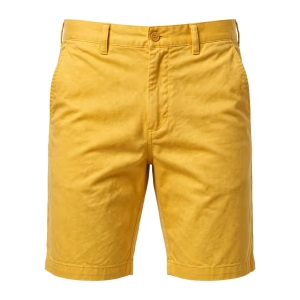
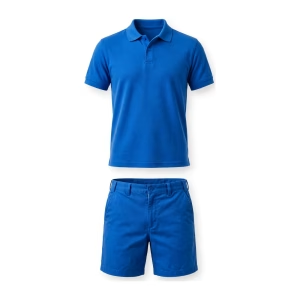
Almost every product this factory makes can run as a private label programme, because the branding is applied during finishing rather than changing the garment itself. T-shirts, polo shirts, hoodies, sweatshirts, joggers, shorts, underwear and workwear all take woven labels and tags in the same finishing steps. The buyer keeps one brand identity across a whole range while the garments underneath follow their own patterns and fabrics, and mixed ranges can share one label and tag set so the brand presentation stays consistent from the first style to the last.
- Tees, polos and fleece with neck labels and hang tags
- Bottoms with waist labels, back-pocket tags and stickers
- Underwear with printed or woven waistband branding options
- One label and tag set shared across a mixed range
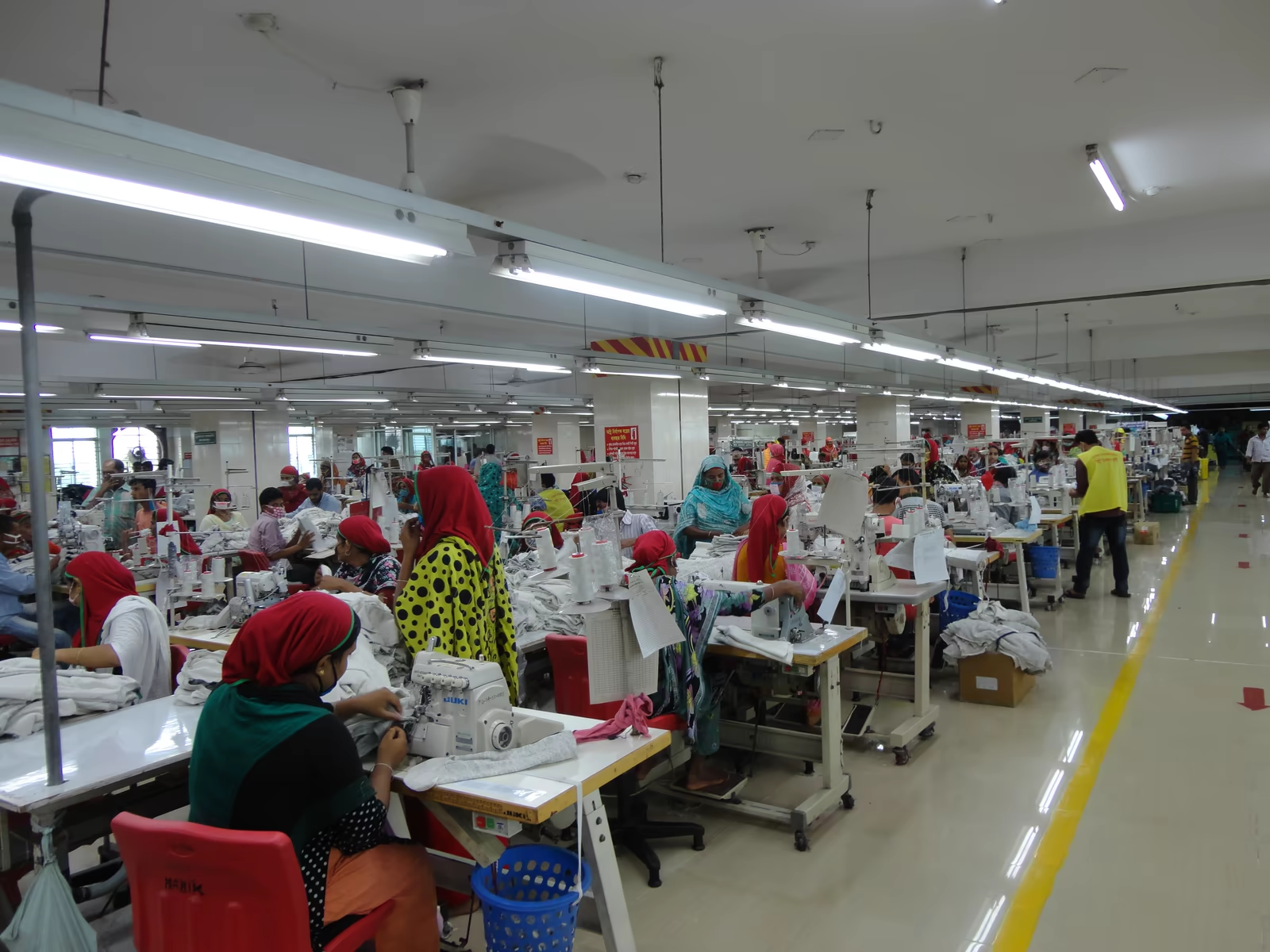
Your Label Inside, From the First Sample
The sampling stage is where a private label programme becomes real. The pre-production sample is sewn with the buyer label, size tab and care label in place, finished with the hang tag attached and packed in the printed polybag, so the buyer approves the complete retail-ready piece rather than a plain garment with branding promised later. Any correction to label placement, tag position or print colour is made on the sample round, and bulk cutting starts only after the labelled sample is approved in writing.
- Pre-production sample with full branding applied
- Label placement and tag position checked on the sample
- Corrections made before any bulk fabric is cut
- Bulk starts only on written sample approval
The labelled sample also settles questions no specification sheet answers well: how the woven label feels against the neck, whether the hang tag weight suits the garment, and how the printed bag looks on a shelf. Buyers hold the actual retail piece and judge it as a shopper would. Changes at this stage cost days; the same changes after bulk cutting cost the whole order, which is why the programme never skips the labelled sample however urgent the delivery date looks.
What a Factory Needs From You to Start
A clean start needs five things from the buyer: the tech pack or garment specification, the label and tag artwork, the size ratio, the packing instructions and the destination details. With those on file, the factory can quote the garment and the branding elements together, order the labels in parallel with the fabric, and hold the programme to one timeline. Buyers who already sell through retail chains usually add their vendor compliance notes at this stage so labelling and packing match the chain requirements from day one.
- Tech pack with measurements and construction notes
- Label, tag and packaging artwork files
- Size ratio and per-size quantities
- Packing instructions and carton marking details
- Retailer compliance notes where a chain requires them
Minimum Order Quantities for Private Label Work
Private label work follows the same order economics as every made-to-order programme here. The minimum order is 3,000 pieces per order, which can cover two to three styles on one fabric type in the basic types of fabric and garment, because the label weaving, tag printing and line setup costs spread across the run. Special fabrics, complex branding such as embroidered labels or metal trims, and very small size runs change the minimum, and the exact figure for a specific programme is confirmed at quotation, before any artwork cost is committed.
- 3,000 pieces per order across two to three styles
- Styles share one fabric type in basic programmes
- Label and tag setup costs spread across the run
- Special branding or fabrics confirmed at quotation
How a Manufacturing Programme Keeps Branding Consistent
Consistency is a checking discipline. The approved label sample and tag proof travel with the order paperwork, the finishing supervisor compares production pieces against them at the start of each shift, and the final inspection includes the branding points by name: label position and stitching, size tab correctness, care label wording, tag attachment and sticker accuracy. A style packed with the wrong size tab or a skewed label is a defect like any other and is pulled at inspection, which is how the ten-thousandth piece carries the brand exactly as the sample did.
- Approved branding samples travel with the order file
- Finishing checks branding at each shift start
- Final inspection names every branding point
- Wrongly labelled pieces pulled as defects
Repeat orders make the discipline easier, not looser. The approved artwork, label samples and packing specification stay on file, so a reorder starts from the exact branding of the last shipment rather than a fresh interpretation of it. Buyers who grow from one style to a full range keep the same label and tag family across every new product, and the file grows with them: each new style adds its specification to the same branding record, so season after season the brand presentation does not drift.
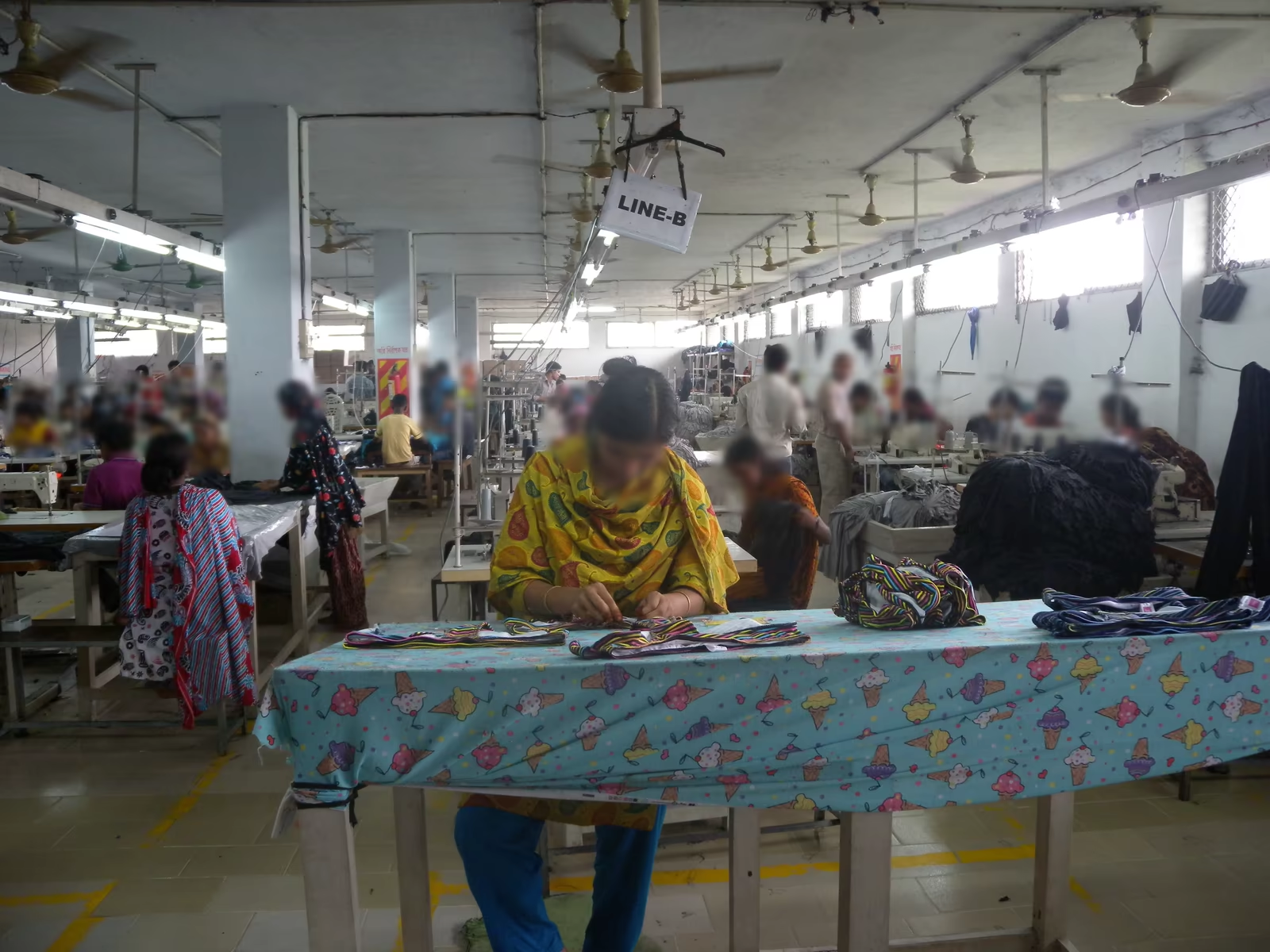
Private Label Clothing for Buyers in the USA
Buyers in the USA usually need care labels that follow the federal labelling rules: fibre content in the accepted format, country of origin marking and the registered identification details where they apply. Private label programmes for the American market build those requirements into the care label artwork at the proof stage, and cartons are marked to the routing guides of the retailer or fulfilment centre receiving them. The result is a parcel that passes receiving checks without relabelling, which protects the buyer from the chargebacks that follow labelling failures.
- Care labels formatted to United States labelling rules
- Country of origin marking on every garment
- Carton marks matched to retailer routing guides
- No relabelling needed at the receiving warehouse
Private Label Ranges for Buyers in Germany
Buyers in Germany and the wider European market work under fibre and care labelling rules of their own, with the fibre composition declared in the market language and care symbols following the European convention. Private label programmes for German buyers proof the care label in German at the artwork stage, confirm the tag and sticker layout against the buyer retail standard, and pack to the carton and pallet pattern the receiving warehouse specifies. Getting the language and symbols right at proof stage costs nothing extra; fixing them after production is where programmes lose weeks.
- Care labels proofed in German for European sale
- Fibre composition declared in the market format
- Tag layouts checked against the buyer retail standard
- Carton and pallet patterns set before packing starts
Common Branding Mistakes and How They Are Avoided
The same branding mistakes appear in enquiry after enquiry, and each has a cheap prevention. Labels ordered too late hold finished garments hostage, so labels are ordered the day the order is confirmed, in parallel with fabric. Artwork sent as a low-resolution image weaves badly, so vector files are requested before weaving. Size tabs mixed between styles cause retail chaos, so tabs are counted per style at finishing. And care wording copied from another market fails inspection, so the wording is written for the destination market on every programme, never copied across.
- Labels ordered at confirmation, never after sewing
- Vector artwork required before any weaving
- Size tabs counted per style at finishing
- Care wording written for the destination market
One more quiet mistake is assuming the branding from a previous supplier can simply be copied. Label sizes, tag stocks and print colours shift between weavers and printers, so even a buyer moving an existing brand to this factory gets fresh woven and printed proofs against their artwork. The proofs usually match within one round, and the buyer ends with branding that is genuinely theirs, produced to their file rather than approximated from another factory output.
Questions Buyers Ask About Private Label Clothing
Can the garments carry only our label, with no factory name anywhere?
Yes. A private label programme carries the buyer branding on the garment, tags and packaging. The factory name appears only on shipping documents and export paperwork where the exporter of record must be named, never on the product itself.
Who supplies the labels and hang tags?
Either side can. Most buyers let the factory order labels and tags from the approved artwork because the weaver and printer sit in the same supply market, but buyers with an existing label supplier can ship their branding materials in and the factory applies them.
Can one order mix several styles under one label?
Yes. The standard programme covers two to three styles on one fabric type inside one order, all sharing the same label, tag and packaging set, which is how most buyers build a small branded range.
What does the labelled sample cost us in time?
The labelled pre-production sample adds the label weaving time to the normal sampling round, usually a few days, and it runs while fabric is being prepared, so the bulk timeline rarely moves.
Start a Private Label Programme With a Sample
A private label programme starts with the same step as every order here: send the garment specification and the branding artwork, and the first thing made is one retail-ready sample carrying your label, your tags and your packaging. When that sample sits on your desk looking exactly like your brand, the bulk order behind it is a formality. Send the artwork and the first style, and the programme is built around them.
- Send the tech pack and branding artwork
- Approve the woven label and print proofs
- Approve one retail-ready labelled sample
- Bulk follows the approved sample exactly