
Apparel Manufacturing
Made-to-Order Manufacturing by a Garment Supplier in Bangladesh
Made to order means production begins only when your order is confirmed: fabric bought for your programme, a sample approved in the real cloth, and sewing booked against your delivery date, with no stock made before or held after.
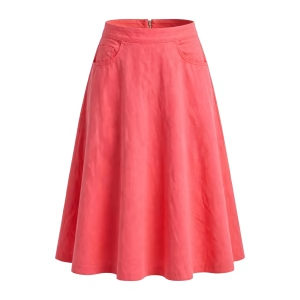
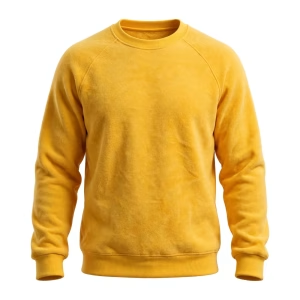
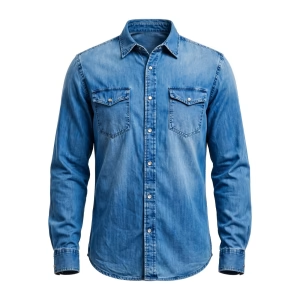
- Materials: Cotton knits, fleece, denim and twill purchased against your confirmed order and inspected on arrival, never drawn from a speculative stockpile.
- Functionality: Costing, sampling, production, checking and export handled as one sequence against your specification, with stage updates and photographs while the order runs.
- Size: Orders from 3,000 pieces, two or three styles on one fabric type, graded and ratio-packed to your own size chart and selling pattern.
- Customization: Your label, print, packaging and carton marks on every piece, produced only for your programme and never offered to another buyer.
Simply The Best
PORTFOLIOS
Product Details
Made-to-Order Manufacturing by a Garment Supplier in Bangladesh
Made-to-Order Manufacturing by a Garment Supplier in Bangladesh
Made to order is the whole operating model at Huraira Fashion, not a service added to a stock business. Nothing is sewn before a buyer confirms it, nothing is held in a warehouse waiting for a buyer, and every programme begins from a specification the buyer supplies. This page explains how that model works in practice: what happens between an enquiry and a shipment, what it asks of the buyer, what it cannot do, and why brands and importers who sell on quality rather than clearance increasingly prefer it.
- Production starts only from a confirmed order and a written specification
- No stock is manufactured, held or offered at any point
- A sample in the real fabric is approved before bulk sewing begins
- Quantities, styles and size ratios follow the buyer’s own numbers
What Made to Order Actually Means
The term is used loosely in this trade, so the definition here is exact. A made-to-order programme means the fabric is purchased for a named order, the pattern is prepared for a named buyer, and the sewing capacity is booked against that order’s delivery date. If the order were cancelled before cutting, there would be nothing to sell to anyone else, because nothing generic was ever made. The garment exists for one reason: a specific buyer specified it, approved its sample and confirmed its quantity.
- Fabric and trims purchased against a named, confirmed order
- Patterns and grading prepared for the individual buyer
- Production capacity booked against the order’s delivery date
- No generic production that could be redirected to another buyer
How an Order Moves From Enquiry to Cutting
The sequence is deliberately plain. An enquiry arrives with a tech pack or a sample garment; the programme is costed against the real specification; questions and gaps are settled in writing; a pre-production sample is sewn in the actual fabric and sent for approval; and only then are fabric purchasing and cutting released. Each stage has a record, so a buyer asking where their order stands receives a stage and a date, not an impression. The discipline looks slow on paper and is fast in practice, because nothing downstream has to be unpicked.
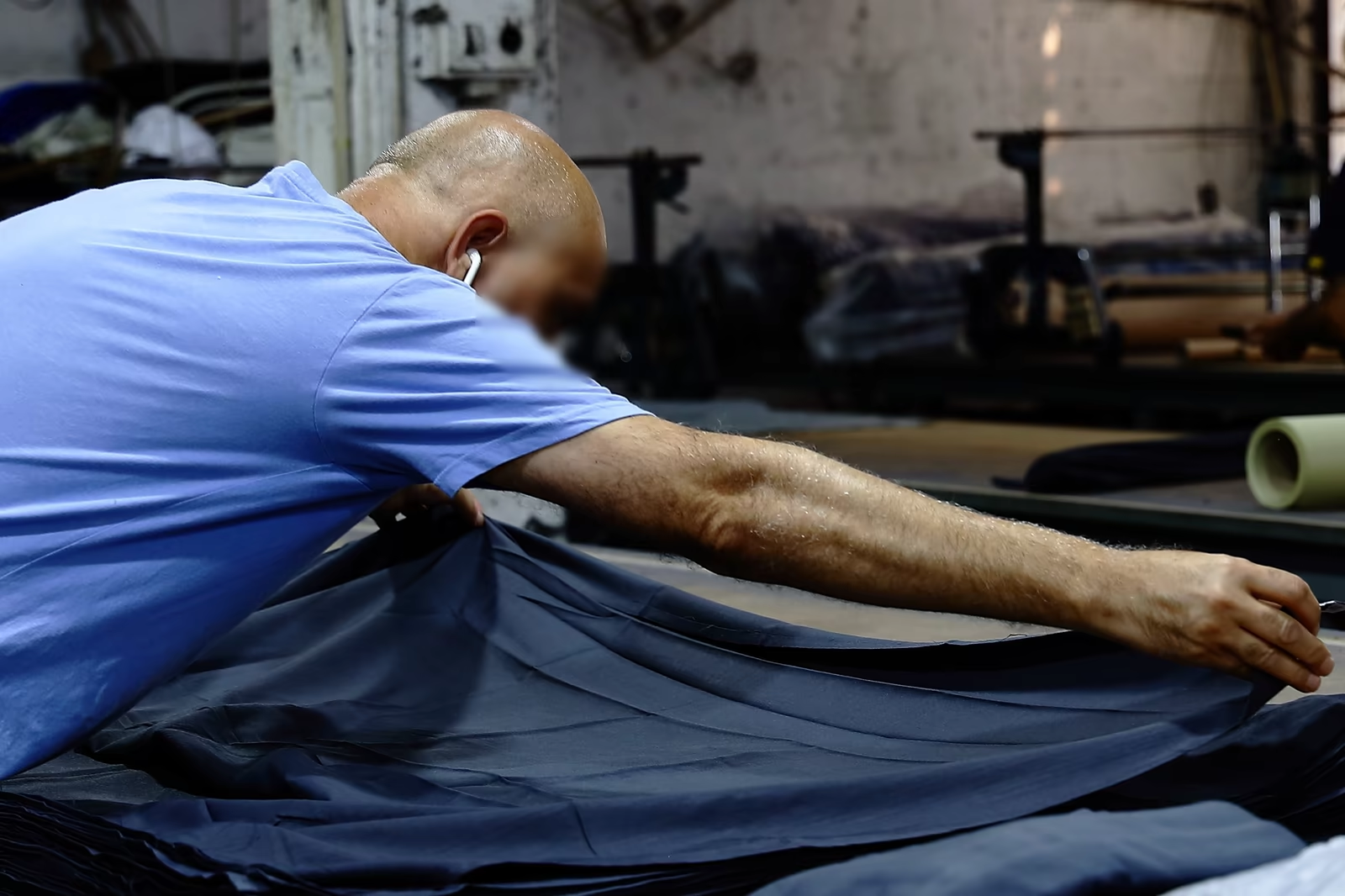
After cutting, the order’s path is equally visible. Panels move to sewing in style and size sequence, garments pass through finishing, pressing and the checking stages, and packing follows the buyer’s carton instruction. A buyer who wants evidence rather than assurances receives photographs at the stages that matter to them, taken from their own production, and the packing list is checked against the order before cartons are sealed. Nothing about the route is improvised; it is the same route every programme follows, which is why its timing can be stated honestly at the start.
- Costing against the buyer’s actual specification, not a similar style
- Specification gaps settled in writing before sampling
- Sample approval as the gate between planning and production
- Fabric purchasing and cutting released only after approval
Why a Manufacturer Keeps No Stock
Stock changes a manufacturer’s behaviour in ways buyers rarely see but always pay for: capacity goes to forecast products, attention goes to clearing them, and order customers queue behind both. Keeping no stock removes those pressures entirely. Every hour of production belongs to a confirmed programme, every metre of fabric in the building belongs to a named order, and the company’s only route to revenue is making what buyers actually asked for, well enough that they ask again.
- No production capacity spent on forecast or speculative goods
- No warehouse of finished clothing waiting for clearance buyers
- Every fabric purchase traceable to a confirmed programme
- Revenue earned only from orders buyers chose to place
Your Specification Is the Production Document
In a stock business the product already exists and the buyer adapts. In made-to-order production the direction reverses: the buyer’s tech pack, measurement chart, label artwork and packing instruction are the documents production is built from. That is why the specification stage is handled carefully, with unclear points raised rather than guessed. A measurement written two ways, a print position shown once and described differently elsewhere, a label file in the wrong format: each is cheaper to settle by email than by remake.
- Tech pack and size chart treated as the governing documents
- Label, print and packing artwork supplied by the buyer
- Contradictions raised and settled before sampling
- Agreed changes recorded in writing and added to the order file
Sampling Before Bulk, Every Time
The sample is where a specification becomes a garment, and it is never skipped to save time. It is sewn in the production fabric, measured against the buyer’s chart and sent for fitting and handling. Comments come back, adjustments are made, and where a change is significant a second sample follows. Bulk production is then a repetition exercise against an approved physical standard, which is precisely what makes the finished order predictable. Buyers new to made-to-order work sometimes see sampling as delay; experienced buyers see it as the cheapest insurance in the programme.
Where a buyer develops from an existing garment rather than a tech pack, that garment is measured point by point and its construction examined before the first sample is cut, so the sample begins from evidence instead of interpretation. Differences the buyer wants, a longer body, a different collar, a heavier fabric, are then deliberate changes to a known base, and the sample shows exactly their effect.
- Pre-production sample sewn in the actual fabric of the order
- Fit, construction and finish judged on a physical garment
- Revision samples made where comments require them
- The approved sample retained as the standard for final checking
Quantities, Styles and Size Ratios
Made-to-order production suits programmes with a real shape to them. The standard minimum at Huraira Fashion is 3,000 pieces per order, within which a buyer combines two or three styles on one fabric type, in mixed colours and a full size run. That structure exists because fabric is bought and cut per programme: a shared fabric across styles keeps purchasing efficient while letting a buyer build a small range rather than a single deep style. The size ratio is the buyer’s own, taken from their sales pattern, so the finished cartons match how the range will actually sell.
- Minimum 3,000 pieces per order across two or three styles
- Styles combined on one fabric type in mixed colours
- Full size runs graded to the buyer’s own measurement chart
- Size ratios set by the buyer’s sales pattern, not a factory standard
What Made to Order Cannot Do
Honesty about limits belongs on this page. Made-to-order production cannot deliver next week: fabric purchasing, sampling and sewing take the time they take, and a buyer with an emergency gap in a selling season needs a stockist, not a manufacturer. It cannot produce a few dozen pieces economically, because fabric minimums and setup time do not shrink with the order. And it cannot begin from a vague intention; it needs a specification, however simple, that both sides can point to. Buyers whose business fits those realities gain the model’s full benefit; buyers whose business does not are told so at enquiry.
There is also no queue to jump. Production capacity is booked in confirmation order, and a later buyer offering urgency cannot displace an earlier buyer’s booked programme. That fairness occasionally costs an enquiry, and it is kept anyway, because the buyer whose order is running today was promised the same protection when they confirmed. Made to order is a model built on sequence and record; the moment exceptions begin, the records stop meaning anything and the model becomes a stock business with better marketing.
- Lead times governed by fabric, sampling and sewing, not by urgency
- Very small quantities uneconomical and declined openly
- A written specification required before costing can be exact
- Unsuitable enquiries answered honestly at the first exchange
Programmes for the USA and the UK
American and British buyers use made-to-order production to build ranges that are theirs alone: their fabric weight, their fit block, their label and their packaging, in quantities matched to their own selling pattern. A brand in the USA restocking a proven style reorders from its record and receives the same garment again. A British importer building a seasonal range develops it as samples first, commits only to what the samples justify, and carries no speculative stock into the next season.
- Ranges built entirely to the buyer’s fabric, fit and branding
- Repeat orders reproduced from the programme record
- Seasonal ranges developed as samples before commitment
- Quantities matched to the buyer’s own selling pattern
Shipping to Germany, Canada and Australia
For buyers in Germany, Canada and Australia the model works identically, with market details settled in the specification: labelling rules, fibre content declarations, packaging formats and documentation for the destination. Production photographs during the run and document copies before arrival keep a distant buyer as informed as a local one. The finished cartons are marked to the importer’s instruction, so the goods that land are ready for their warehouse system rather than for rework.
- Market labelling and declarations included in the specification
- Production photographs shared while the order is running
- Export documents prepared for the destination and sent in advance
- Cartons marked to the importer’s warehouse instruction
An Exporter Built Around Confirmed Orders
Everything in the company’s routine assumes the made-to-order model: costing from specifications, sampling before bulk, records kept for repeats, checking against approved samples, and export paperwork prepared per programme. There is no stock catalogue to push, no warehouse pressure shaping the advice a buyer receives, and no reason to recommend anything except what the buyer’s own range needs. That alignment is the deepest reason buyers stay: the company’s interest and the buyer’s interest point the same way, at a garment that sells through and gets reordered.
- Every routine in the company built around confirmed orders
- No stock catalogue influencing the advice a buyer receives
- Records and checking designed for repeat programmes
- Success measured by reorders, not by one-off sales
Questions Buyers Ask About Made to Order
How long does a made-to-order programme take?
The honest answer is that it depends on fabric availability and the sampling round. Fabric purchasing and sample approval set the early pace; sewing and finishing follow the production calendar agreed at confirmation. A buyer receives the schedule with the costing, stage by stage, and updates against it while the order runs, rather than a single optimistic date.
Can I start with one style to test the model?
Yes, within the order structure: a programme of 3,000 pieces can combine two or three styles on one fabric, and many buyers use one of those styles as their test piece. The sample stage is the real test, though, and it costs a buyer nothing but time: judge the garment before any bulk commitment exists.
What do you need from me to begin?
A tech pack if you have one, or a sample garment if you do not, plus your size chart, label artwork when ready, target quantity and destination. From that, the costing and the specification questions are prepared, and anything missing is listed plainly rather than assumed.
What happens to my design and label artwork?
They are used for your programme only. Your designs are not offered to other buyers, your label is applied only to your goods, and the order record, including artwork, is kept for your repeats. A buyer’s range remains the buyer’s property in every practical sense that production can control.
Start With One Confirmed Order
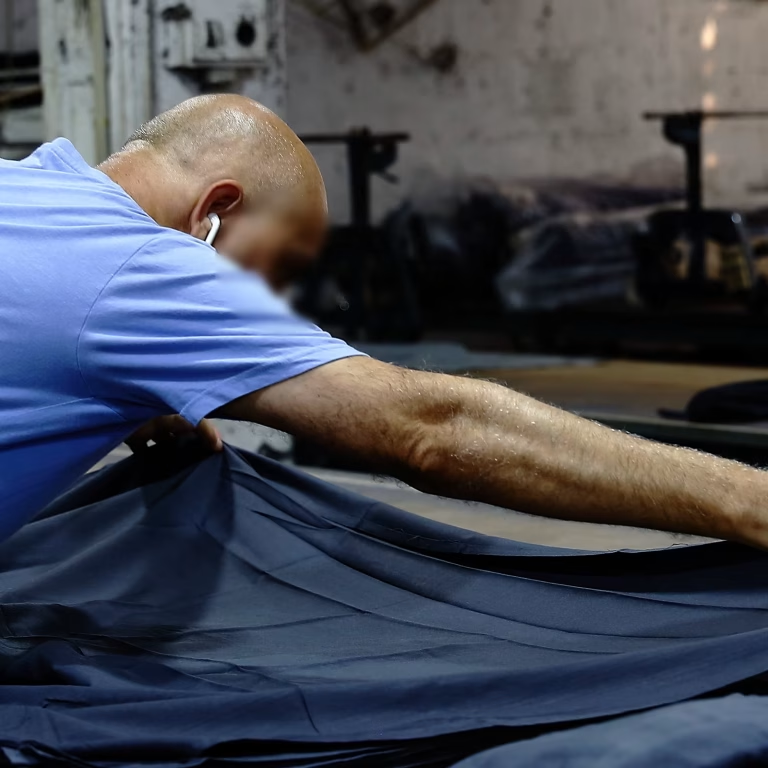
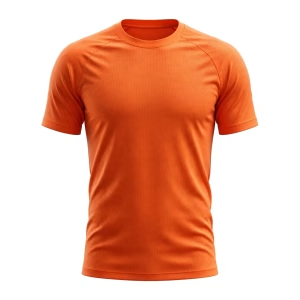
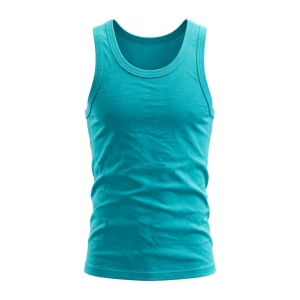
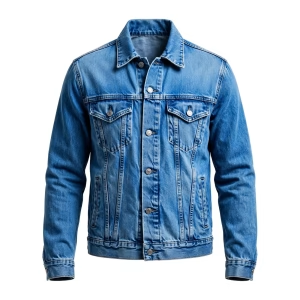
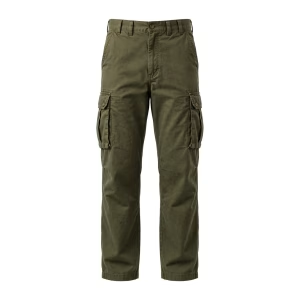
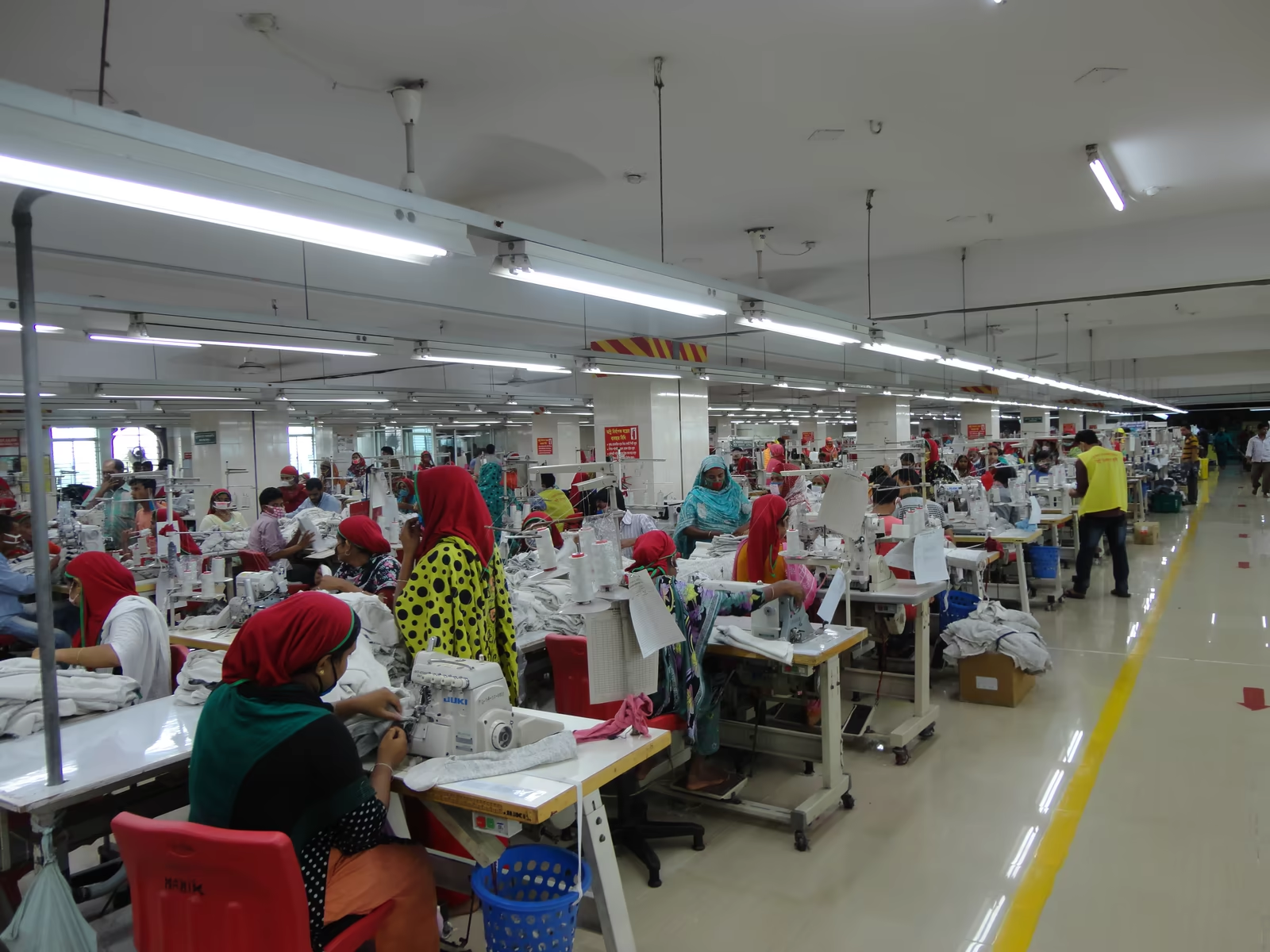
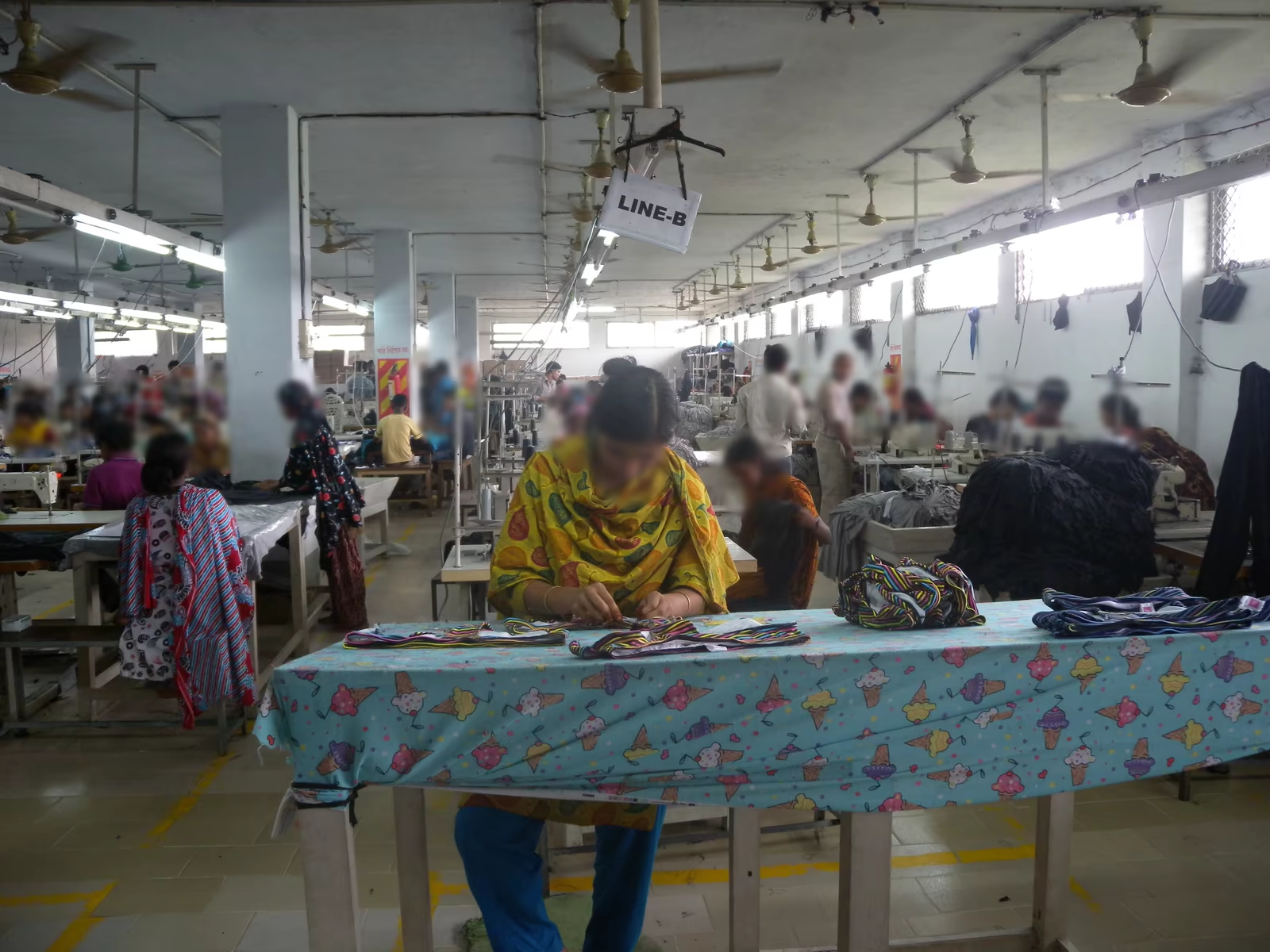
The model asks a buyer for one thing a stock catalogue never does: a decision made from a sample rather than from a photograph of somebody else’s product. Send a tech pack or a garment through the contact page, judge the costing, judge the sample, and let the finished cartons make the argument. The photographs on this page are symbolic images of garment production of the kind arranged for buyers, shown so the process can be pictured clearly.