
Apparel Manufacturing
Quality Control in Garment Manufacturing in Bangladesh
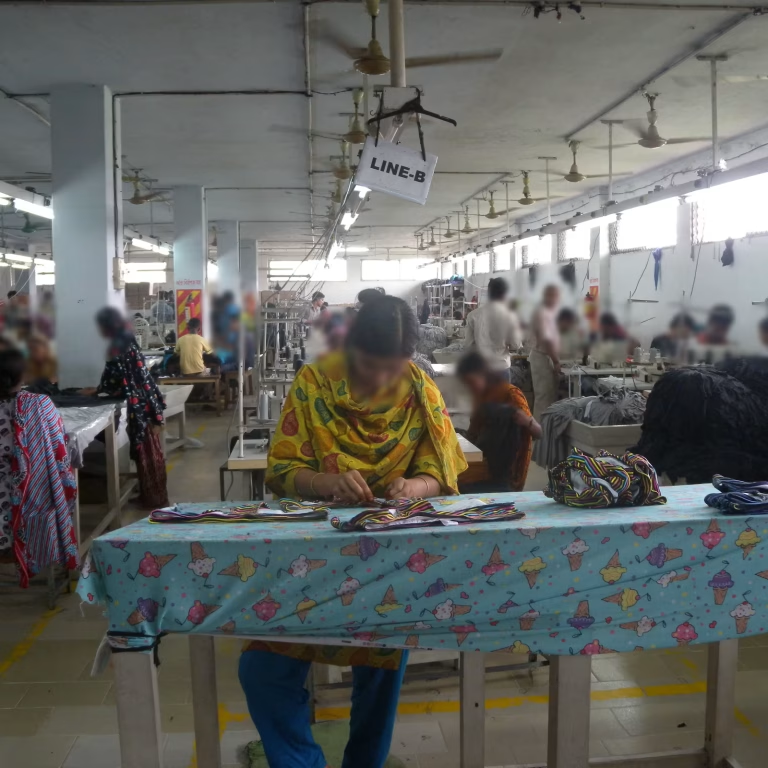
Quality control in garment manufacturing is a chain of checks from the fabric roll to the sealed carton. Huraira Fashion inspects fabric before cutting, operations during sewing, measurements on every size and the finished shipment before dispatch, for buyers in the USA, UK, Germany, Canada and Australia.
- Materials: Every fabric lot inspected for defects, shade and shrinkage before the marker is made or a panel is cut.
- Functionality: Inline, end-of-line and final AQL inspections that catch faults at the stage where they are cheapest to correct.
- Size: Measurement audits against your chart on every size, with programmes from 3,000 pieces covering two to three styles on one fabric type in basic types.
- Customization: Your AQL level, your inspection format and your own or third-party inspector welcomed on the shipment.
Simply The Best
PORTFOLIOS

Product Details
Quality Control in Garment Manufacturing in Bangladesh
Quality Control in Garment Manufacturing From Fabric to Carton
Quality control is not a final look at finished garments; it is a chain of checks that starts at the fabric roll and ends at the sealed carton. Each stage catches the faults it is cheapest to fix there: fabric faults before cutting, construction faults while sewing, measurement faults before packing. Huraira Fashion runs this control chain on every order for buyers in the USA, UK, Germany, Canada and Australia, against the buyer approved sample and specification, and reports the results honestly, including when a check finds a problem.
- Fabric inspection before any cutting begins
- Inline checks while the garments are being sewn
- Measurement audits against the buyer chart
- Final inspection before cartons are sealed
How a Garment Supplier Inspects Fabric Before Cutting
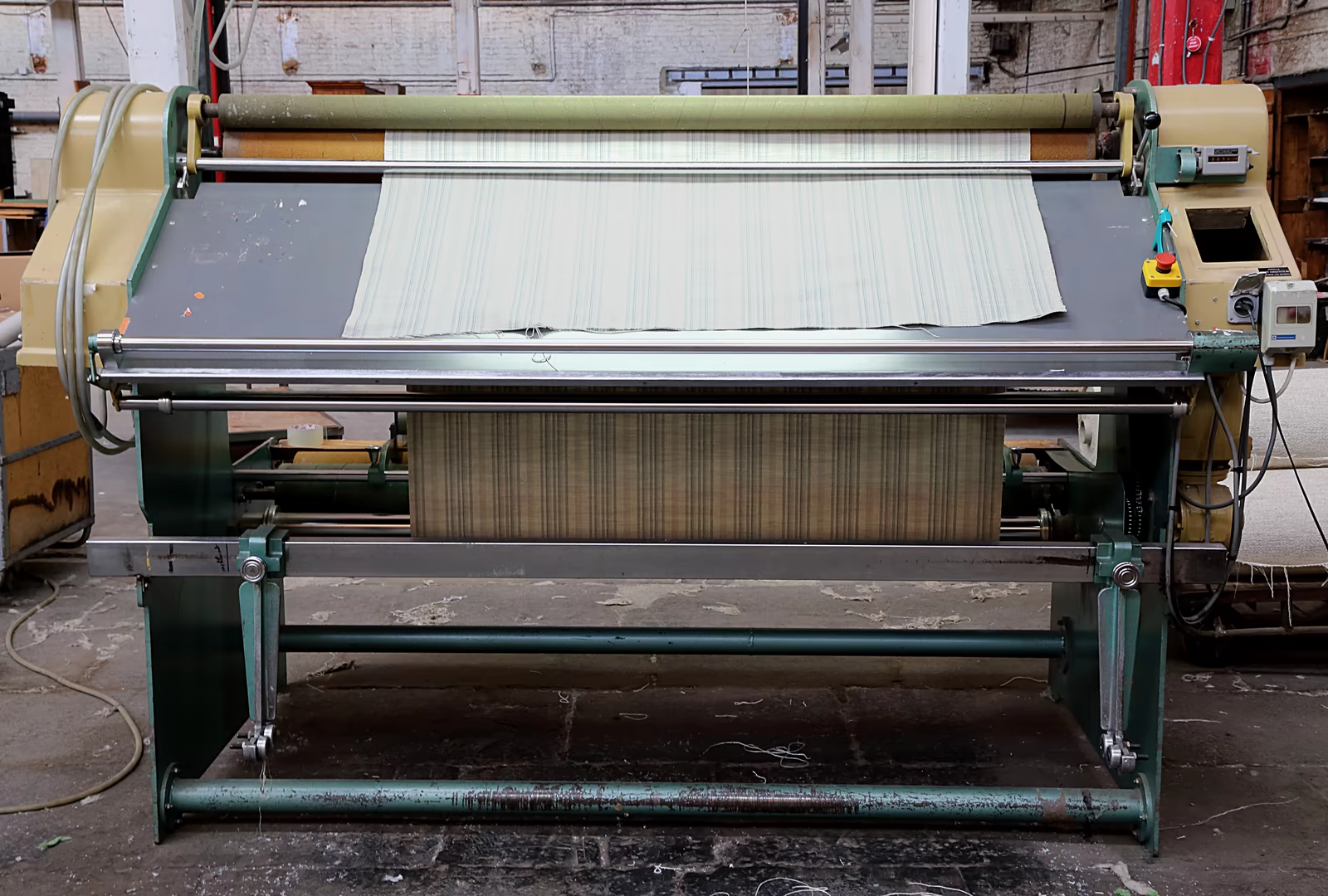
Every fabric lot is inspected before it reaches the cutting table, because a fault woven into the cloth becomes a fault in hundreds of garments if it is cut blind. Rolls are checked for weaving defects, holes, stains, shading variation between rolls and width consistency, and the fabric is tested for shrinkage so the pattern allowance matches the cloth behaviour. Fabric that fails is quarantined and reported, never quietly cut around, because a garment programme built on short or shaded fabric fails later in ways nobody can repair.
- Rolls checked for defects, holes and stains
- Shade compared across rolls of the same lot
- Shrinkage tested before pattern allowances are set
- Failed fabric quarantined and reported
Fabric inspection also protects the buyer money, not only the garment quality. A programme cut from fabric that is short in width or length consumes more cloth per garment than the costing allowed, and a programme cut from unstable cloth shrinks out of tolerance after the first wash. Testing at the roll stage prices those risks at zero: the marker is made for the real width, the pattern carries the real shrinkage allowance, and the garment the buyer approved is the garment their customer washes.
Inline Inspection While the Garments Are Sewn
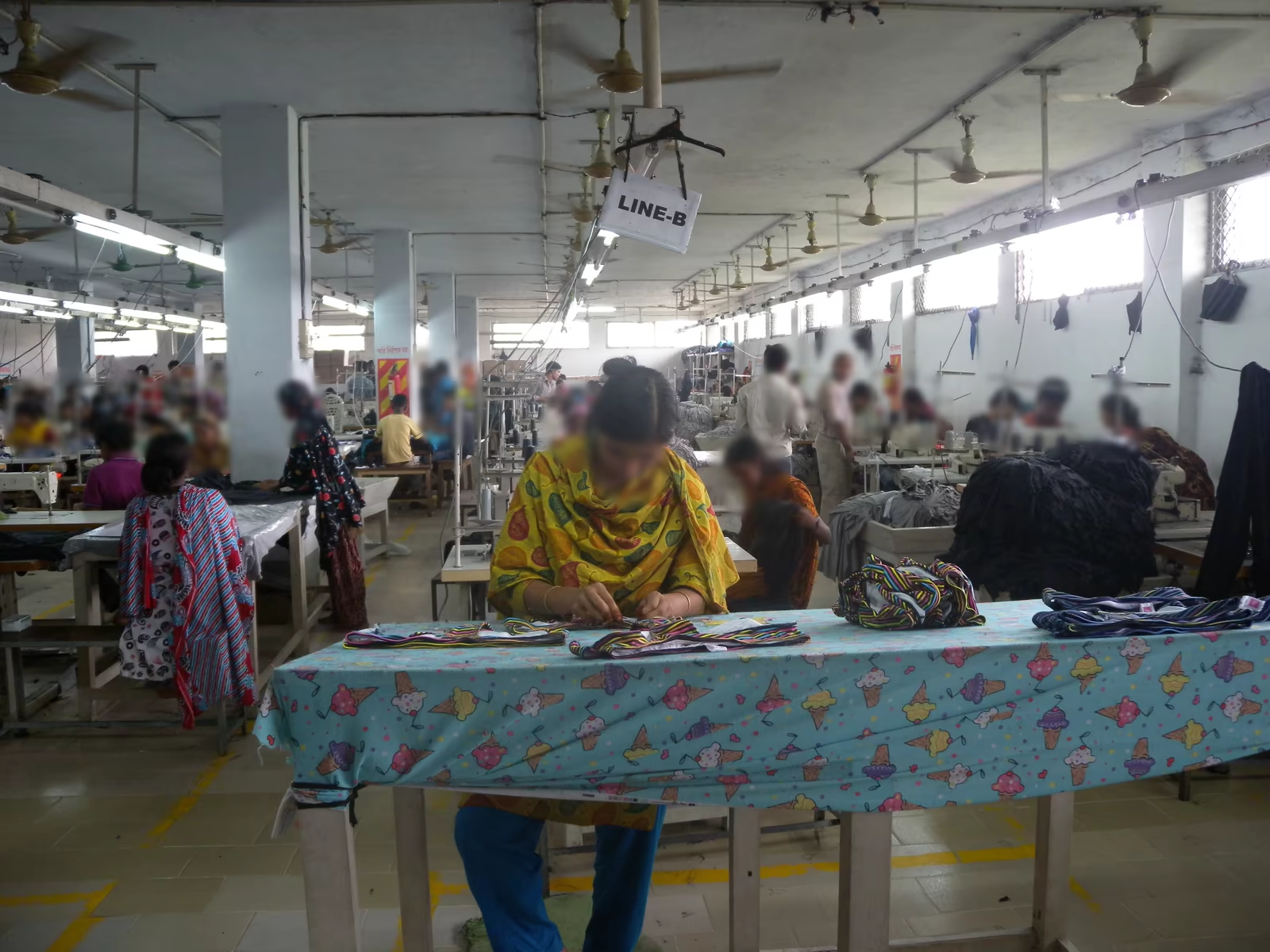
Inline inspection places checkers inside the production line rather than after it. Operations are sampled as they are sewn: seam quality, stitch density, alignment of parts, print and embroidery placement, and the measurements of part-finished garments. A drifting operation is corrected at the machine within the hour, and the pieces made since the last good check are pulled and re-examined. This is the stage that decides the final quality of an order, because a fault corrected at operation ten never becomes a thousand faulty garments at the end of the line.
- Operations sampled continuously during sewing
- Stitch, seam and placement checked at the machine
- Drift corrected within the hour, pieces re-examined
- Print and embroidery positions verified per style
Inline checking works because it is staffed and scheduled, not left to goodwill. Checkers are assigned to lines rather than to the building, their sampling follows the operation list of the style being sewn, and their findings are written on the line record where the supervisor signs against them. A line that knows its work is sampled hourly produces differently from one that expects a single judgement at the end, and buyers who visit during production can read the line records for the day and see the standard being held in real time.
End-of-Line Checking and Measurement Audits
Every garment leaving the line passes an end-of-line check for visible defects, loose threads, stains and construction errors, and a sample from every size is measured against the buyer chart point by point. Measurements are recorded, not eyeballed: chest, length, sleeve, shoulder and every charted point, with the tolerance the buyer agreed. A size that drifts out of tolerance stops its bundle until the cause is found, because measurement faults multiply silently and a buyer discovers them only when their customers start returning garments.
- Every piece visually checked at line end
- Every size measured against the buyer chart
- Results recorded point by point with tolerances
- Out-of-tolerance bundles stopped and investigated
Final Inspection and the AQL Standard
Before packing closes, a final inspection examines a statistical sample of finished, packed-ready garments against the agreed Acceptable Quality Limit, the AQL level set in the order terms, commonly a general inspection level agreed with the buyer. The sample is drawn across sizes and colours, and each piece is checked for defects, measurements, labelling, branding and packing correctness. The inspection result, defects found classified as critical, major or minor, is recorded and shared. A failed final inspection means re-inspection of the whole lot after sorting, at the factory cost, never an argument about the sample.
- Statistical sample drawn across sizes and colours
- Defects classified critical, major and minor
- Results recorded and shared with the buyer
- Failed lots re-sorted and re-inspected in full
The final inspection also verifies the things a buyer cannot see from a photograph of one garment: that cartons hold the sizes and colours the packing list promises, that polybags carry the right stickers, that hang tags match the style, and that the carton marks match the shipping documents. More export disputes begin over packing and paperwork than over sewing, because a perfect garment in the wrong carton is, to a receiving warehouse, simply a wrong delivery. The final check therefore reads the shipment as the warehouse will read it.
How an Exporter Handles Buyer and Third-Party Inspections
Many buyers appoint their own inspector or a third-party inspection company for the final check, and that is welcomed rather than resisted. The inspection is booked against the production schedule so the goods are genuinely ready, the inspector gets the approved sample, the specification and the packing list, and the inspection happens on the actual shipment cartons. Working openly with buyer inspectors keeps the standard external and honest: the same garments the inspector passes are the garments the buyer receives, with no show lot and no substituted cartons.
- Buyer and third-party inspections welcomed
- Inspector receives sample, specification and packing list
- Inspection performed on the actual shipment
- No show lots, no substituted cartons
Needle Control, Metal Detection and Safety Checks
Children garments and many retail programmes require broken-needle control and metal detection, and the discipline runs whether or not a buyer asks. Broken needles are logged with every fragment accounted for, machines are checked at shift changes, and finished garments for sensitive programmes pass a metal detector before packing. Buttons, snaps and drawstrings on children styles are pull-checked against the destination market safety expectations. These checks protect the end customer, who is usually a child, and the buyer whose name is on the label.
- Broken-needle log with fragments accounted for
- Metal detection for sensitive programmes
- Pull checks on buttons, snaps and drawstrings
- Checks run as standard, not only on request
Safety checking extends to the small hardware of a garment that buyers rarely think about until a recall makes them think of nothing else. Zips are cycle-tested on the sample, cords are measured against the market rules for children styles, and prints on skin-contact garments use the ink systems the buyer specification allows. None of this is visible in a catalogue photograph, which is exactly why it belongs in a control chain rather than in a promise: the checks happen on schedule and leave records, whether or not anyone asks to see them that week.
What Happens When a Check Finds a Problem
A quality system is judged by what it does with bad news. When a check fails, production on the affected operation stops, the pieces since the last good check are isolated, and the buyer is told what was found, how much is affected and what the correction plan is, before the shipment date is discussed. Concealed problems become claims; reported problems become corrected lots and usually a stronger order history. Buyers who have worked through one honestly handled fault with a factory rarely leave it, because they have seen the system work under pressure.
- Affected production stops at the failed check
- Suspect pieces isolated since the last good check
- Buyer told the facts and the correction plan
- Corrected and re-inspected before shipping
That honesty is also commercial protection for the factory. A buyer who is told early can re-plan a launch, move a promotion or accept a split shipment; a buyer who learns from their warehouse can only claim. Factories that report problems keep buyers through them, because the buyer learns the one thing no sample can prove: that bad news travels as fast as good news from this supplier.
Quality Expectations for Buyers in the USA
Buyers in the USA sell into the most claim-heavy retail environment in the programme, where measurement drift, labelling errors and defect escapes return as chargebacks. Quality plans for American orders therefore weight the audited points those claims come from: size-by-size measurement records, labelling verified against the federal format, and defect classification agreed in advance so the final inspection speaks the same language as the receiving warehouse. The records travel with the shipment file, so a buyer answering a retailer query months later has the inspection evidence to answer with.
- Measurement records kept size by size
- Labelling verified before packing closes
- Defect classes agreed with the buyer in advance
- Inspection records kept on the shipment file
Quality Expectations for Buyers in Germany and the UK
Buyers in Germany and the UK typically specify their quality requirements in writing, often with their own inspection formats and material declarations. Programmes for these markets record fibre compositions and test results during production, follow the buyer inspection format where one is supplied, and hold the final inspection to the buyer stated AQL rather than a house default. The discipline is the same; only the paperwork accent changes, and the order file carries the buyer format from the first inline check onward.
- Buyer inspection formats followed where supplied
- Material declarations recorded during production
- Final inspection to the buyer stated AQL
- Order file kept in the buyer format throughout
Common Quality Failures and How They Are Prevented
The recurring failures in garment exports are known, and each maps to a check in this chain. Shade variation between cartons is prevented by roll-level shade control before cutting. Measurement drift is prevented by per-size audits during production, not after it. Mixed sizes or colours in a carton are prevented by packing checks against the packing list. And the most expensive failure, discovering a construction fault after shipping, is prevented by the oldest rule in the chain: the approved sample on the line, compared against production every single shift.
- Shade controlled at roll level before cutting
- Measurements audited during, not after, production
- Packing checked piece by piece against the list
- Approved sample compared on every shift
Questions Buyers Ask About Quality Control
Can we appoint our own final inspector?
Yes. Buyer-appointed and third-party inspectors are welcomed, given the approved sample and specification, and inspect the actual shipment. The inspection is scheduled so the goods presented are the goods that ship.
What AQL level do you inspect to?
The level agreed in your order terms. Most buyers set a general inspection level with AQL 2.5 for major defects and 4.0 for minor, but the figure is yours to set and the inspection follows your table, not a house habit.
Do you share inspection reports with us?
Yes. Inline summaries, measurement records and the final inspection report are part of the shipment file and are shared with the buyer. Failed checks are reported with the correction plan, not hidden.
What happens if the final inspection fails?
The lot is sorted and re-inspected in full at the factory cost, and the shipment moves only when the re-inspection passes. The buyer is told the same day, with the revised timeline stated plainly.
Quality Is a Chain, and It Starts With Your Order
Every check described here hangs on one anchor: your approved sample and specification. Send the style and the standard you expect, and the control chain is set to it from the first fabric roll to the last sealed carton. The inspection records then prove, order by order, that the garments you receive are the garments you approved.
- Send the style and your quality standard
- Agree the AQL and inspection format
- Receive checks at every production stage
- Ship only on a passed final inspection