
Apparel Manufacturing
Certifications and Compliance for a Garment Manufacturer in Bangladesh
Compliance is part of the order specification at Huraira Fashion: labour and safety standards on the production floor, fabric certifications a buyer can specify by name, testing before shipment, and export documents that match the destination's rules.
- Materials: Fabrics sourced to the standard your programme names, including OEKO-TEX certified cloth from certified mills and organic fibres inside a certified chain.
- Functionality: Buyer codes of conduct, audits and laboratory testing arranged as part of the programme, with reports filed in the order record before shipment.
- Size: Orders from 3,000 pieces, two or three styles on one fabric type, with market-specific labelling and documentation included from the costing stage.
- Customization: Your label and packaging prepared to your market's labelling rules, including children's clothing and bilingual requirements where they apply.
Simply The Best
PORTFOLIOS
Product Details
Certifications and Compliance for a Garment Manufacturer in Bangladesh
Certifications and Compliance for a Garment Manufacturer in Bangladesh
Buyers importing clothing carry legal and reputational responsibility for how it was made, so compliance questions arrive early in most serious enquiries. This page explains, in plain terms, how certification and compliance work around a made-to-order programme with Huraira Fashion: which standards exist, what they actually cover, what is checked during production, and what a buyer should ask for before placing an order. It also states plainly what this company will not claim, because a compliance page that invents certificates is worse than no page at all, for the buyer and for the company alike.
- Labour, safety and chemical standards explained in plain language
- Fabric certifications belong to the fabric and its maker, and are specified per order
- Buyers state their required standard at enquiry, and it is confirmed for their programme
- No certificate is claimed on this page that a buyer cannot verify
Labour Standards on the Production Floor
The labour questions buyers ask most concern working hours, wages, age of workers and freedom from forced labour. Bangladesh’s garment industry operates under national labour law, and the factories producing export orders are inspected against it as well as against buyer codes of conduct. For a Huraira Fashion programme, the labour conditions of production are part of the order specification: a buyer with a code of conduct sends it with the tech pack, and the programme is arranged so the code can be met and, where the buyer requires it, audited.
Buyers also ask how workers raise problems, and the honest answer matters more than the polished one. A production floor where a worker can report a safety fault, a wage question or a supervisor’s conduct without penalty produces better compliance evidence than any poster campaign, because issues surface while they are small. Audit programmes test exactly this, interviewing workers away from management, and a buyer arranging an audit of their programme will have that access built into the visit rather than negotiated on the day.
- Production arranged under Bangladesh labour law and buyer codes of conduct
- No child labour and no forced labour in any programme, without exception
- Working hours and wages governed by national law and factory policy
- Buyer codes of conduct accepted as part of the order specification
Workplace Safety in Bangladesh Garment Production
Building and fire safety reshaped this industry over the past decade, and buyers are right to ask about it. Export production in Bangladesh now takes place in buildings subject to structural, electrical and fire safety inspection regimes that grew out of the Accord and Alliance programmes and continue under national and international oversight. A buyer who needs the safety inspection status of the production unit used for their programme can ask for it by name, and the answer forms part of the order record.
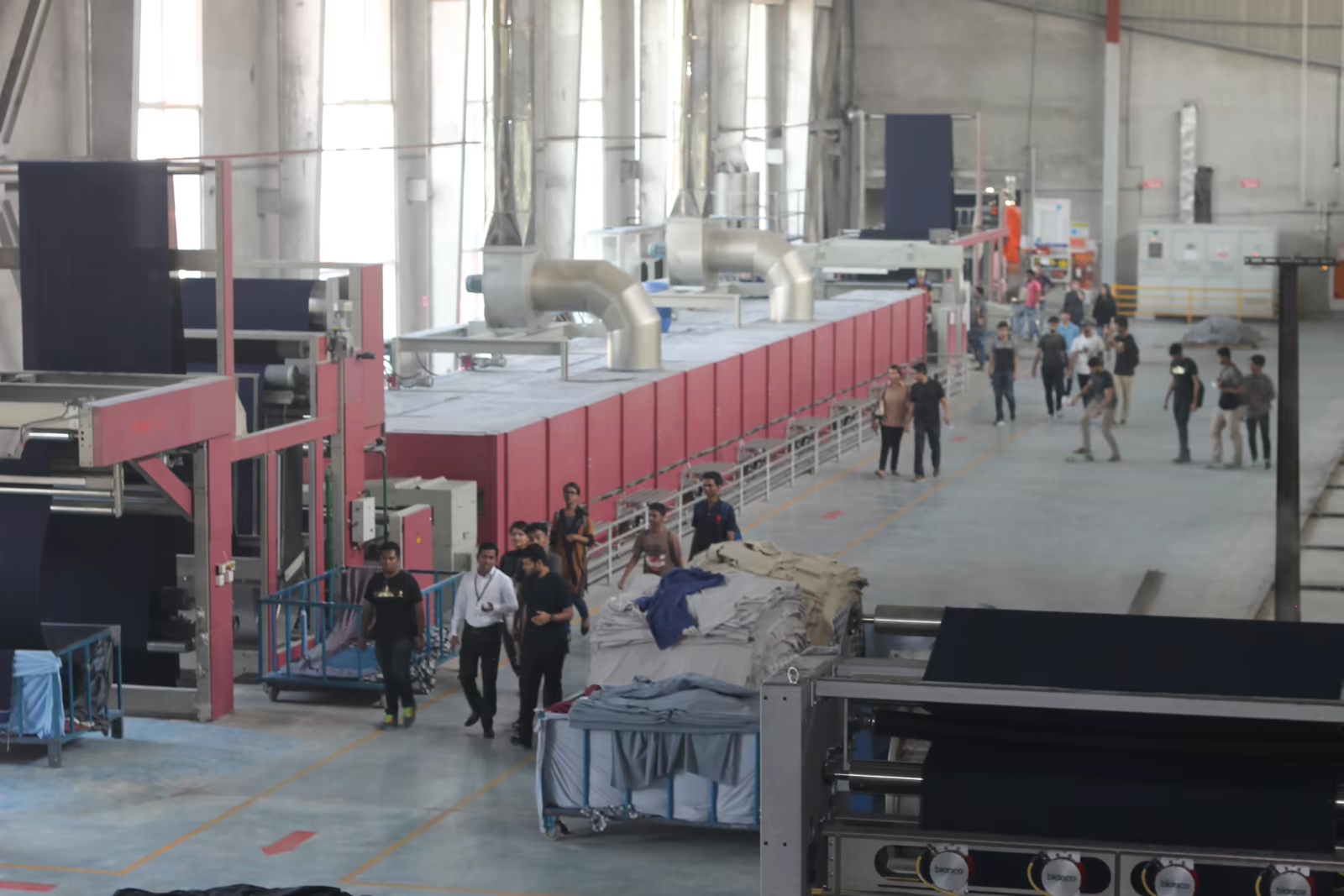
Safety inside the building is equally practical: clear exits kept clear, fire equipment inspected and reachable, machine guards in place, and evacuation drills run so that an alarm produces movement rather than confusion. These details are unglamorous and entirely checkable, which is the point. A buyer comparing two suppliers on safety should ask for inspection dates and drill records rather than impressions, and judge the answers by their specificity.
- Structural, electrical and fire safety inspections cover export production buildings
- Safety status of a production unit available to the buyer on request
- Machine safety and worker protective equipment treated as production basics
- Safety questions answered specifically, not with general assurances
Fabric and Chemical Standards a Buyer Can Specify
Most product-level certification in clothing attaches to the fabric, not to the sewing. The best known example is OEKO-TEX Standard 100, which tests textiles for harmful substances; a buyer who wants certified fabric specifies it at enquiry, and the fabric is then sourced from a mill holding that certification, with the certificate reference recorded against the order. The same applies to chemical restrictions under European and American product safety law: the requirement is named in the specification, the fabric is bought to meet it, and testing can be arranged before shipment.
- OEKO-TEX certified fabrics sourced from certified mills on request
- Chemical compliance specified against the destination market’s rules
- Certificate references recorded against the buyer’s order
- Pre-shipment fabric and garment testing arranged where required
Organic and Recycled Fibres Under GOTS and GRS
Buyers building organic or recycled ranges work under chain-of-custody standards such as GOTS for organic fibres and the Textile Exchange standards for recycled content. These certifications belong to each handler in the chain, from fibre to finished garment, and a garment can only carry the claim when every link is certified. A buyer planning such a range should raise it at the very first enquiry, so the programme can be arranged inside a certified chain from the start rather than adjusted afterwards.
- Organic programmes arranged inside a GOTS certified chain on request
- Recycled content handled under Textile Exchange standards
- Chain of custody planned at enquiry stage, not added later
- Claims on labels limited to what the chain certificates support
How a Supplier Checks and Tests During a Programme
Certification is a snapshot; checking is continuous. Alongside any certificate a programme carries, the garments themselves pass through a checking routine at every stage: fabric inspection on arrival, in-line review during sewing, measurement against the buyer’s chart and final inspection before packing. Where a buyer requires laboratory testing, for colourfastness, shrinkage or restricted substances, samples are sent to the buyer’s nominated laboratory and the reports join the order record before shipment.
- Stage-by-stage checking independent of any certificate
- Laboratory testing through the buyer’s nominated laboratory
- Test reports filed with the order record before shipment
- Failed results acted on before goods move, not explained afterwards
Buyer Audits and Social Compliance Visits
Some buyers audit directly, some send third-party auditors, and some accept recent audit reports from recognised programmes. All three routes are workable. A buyer intending to audit should say so at the enquiry stage, so the production unit for their programme is one whose audit status matches the buyer’s system and the visit can be scheduled without disrupting production. Audit findings, where they arise, are treated as part of the order record and worked through openly with the buyer.
An audit is a working visit, not a performance. Records are opened, the floor is walked as it runs that day, and workers are interviewed in the normal course of production. Where an auditor records a non-conformance, the useful response is a corrective action with a date attached, and the buyer receives both the finding and the follow-up evidence. Programmes that treat audits this way improve measurably between visits; programmes that treat them as theatre tend to repeat the same findings, and experienced buyers can tell the difference from the reports alone.
- Buyer and third-party audits accommodated by arrangement
- Audit requirements confirmed at enquiry, before production is placed
- Findings recorded and corrective actions followed up
- Recent recognised audit reports shared where the buyer accepts them
Documents an Exporter Provides With a Shipment
Compliance is also paperwork. Each export shipment travels with the commercial documents its destination requires, and compliance documents join that set wherever they apply: fabric certificate references, laboratory test reports and audit summaries relevant to the programme. The buyer receives copies before the goods arrive, so their own import and retail compliance files are complete when the cartons land. A buyer with a specific document list should send it with the order; it becomes part of the packing checklist.
- Commercial export documents prepared for every shipment
- Fabric certificates and test reports supplied where they apply
- Document copies sent to the buyer before the goods arrive
- Buyer document lists built into the packing checklist
What Buyers in the USA and the UK Require
American buyers work under federal product safety rules, with children’s clothing carrying the strictest requirements on flammability, drawstrings and small parts. British buyers work under UK product safety law and, when selling into Europe, the corresponding European rules on chemicals and labelling. In both markets the practical method is the same: the buyer names the applicable requirements in the specification, fabric and construction are arranged to meet them, and testing evidence is gathered before shipment rather than after a customs or retail query.
- United States product safety rules addressed in the specification
- Children’s clothing requirements treated as a special case from the start
- UK and European chemical and labelling rules confirmed per programme
- Testing evidence prepared before shipment, not after arrival
Expectations in Germany, Canada and Australia
German buyers are known for detailed technical files and a close interest in chemical compliance, and programmes for Germany are costed with that documentation load included. Canadian requirements mirror much of the American framework with their own labelling rules, including bilingual labelling where it applies. Australian buyers focus on flammability and fibre content accuracy. None of these expectations is unusual, but each has to be in the specification from the beginning; a compliance requirement raised after production is a problem for everyone.
- German technical documentation prepared as part of the programme
- Canadian labelling rules, including bilingual labels, followed as specified
- Australian flammability and fibre content requirements addressed
- Market requirements captured in the specification before production
What This Company Will Not Claim
Compliance attracts exaggeration, so the limits belong on the page. Huraira Fashion does not print certificate logos it has not been granted, does not describe a fabric as certified when only a similar fabric holds the certificate, and does not promise an audit outcome before an audit happens. Where a buyer requires a specific certification that a programme cannot honestly carry, the buyer is told at enquiry stage, with the workable alternatives set out. In compliance work, that honesty is not a weakness of the offer; it is the offer.
- No certificate logo used without the grant behind it
- No certified claim made for an uncertified fabric
- No audit outcome promised in advance
- Requirements that cannot be met are declared at enquiry stage
Questions Buyers Ask About Compliance
Which certifications can my programme carry?
That depends on the fabric and the production chain chosen for the order. Fabric-level certifications such as OEKO-TEX are available by sourcing from certified mills, and organic or recycled claims require a certified chain planned from the start. State the certification you need in your first enquiry, and it will be confirmed for your programme specifically, with the certificate references recorded.
Can I audit the production of my order?
Yes, by arrangement. Buyers audit directly or through third-party auditors, and the visit is scheduled at the enquiry or early production stage so it fits the production calendar. Recent reports from recognised audit programmes can also be shared where your compliance system accepts them.
Do you test garments before shipment?
Testing is arranged where a buyer requires it, through the buyer’s nominated laboratory or an agreed alternative, covering the properties the destination market demands, from colourfastness and shrinkage to restricted substances. Reports are filed with the order record and copies reach the buyer before the goods arrive.
What does compliance mean for my minimum order?
The standard minimum is 3,000 pieces per order, with two or three styles combined on one fabric type. Certified fabrics and audited production do not change that minimum in themselves, though a specialised certified fabric can carry its own mill minimum, which is stated openly at costing.
State Your Standard and It Becomes Part of the Order
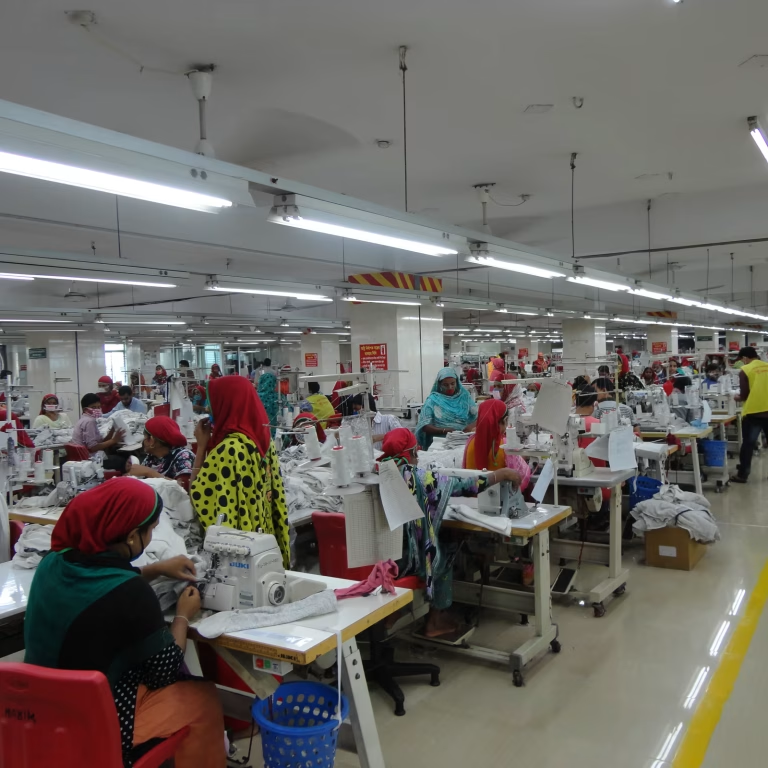
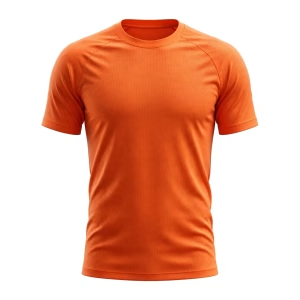
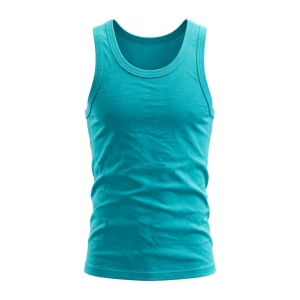
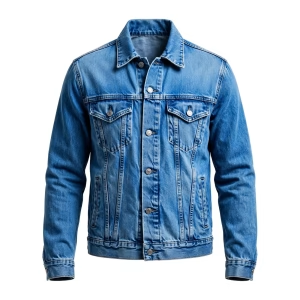
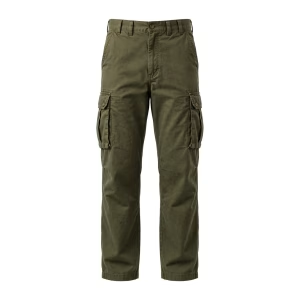
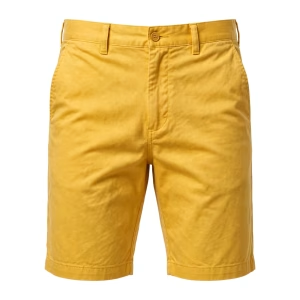
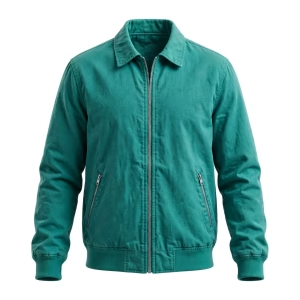
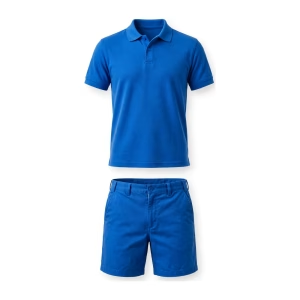
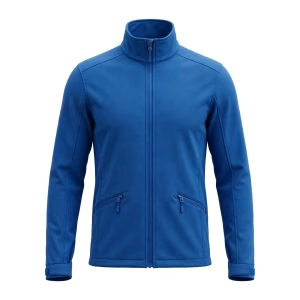
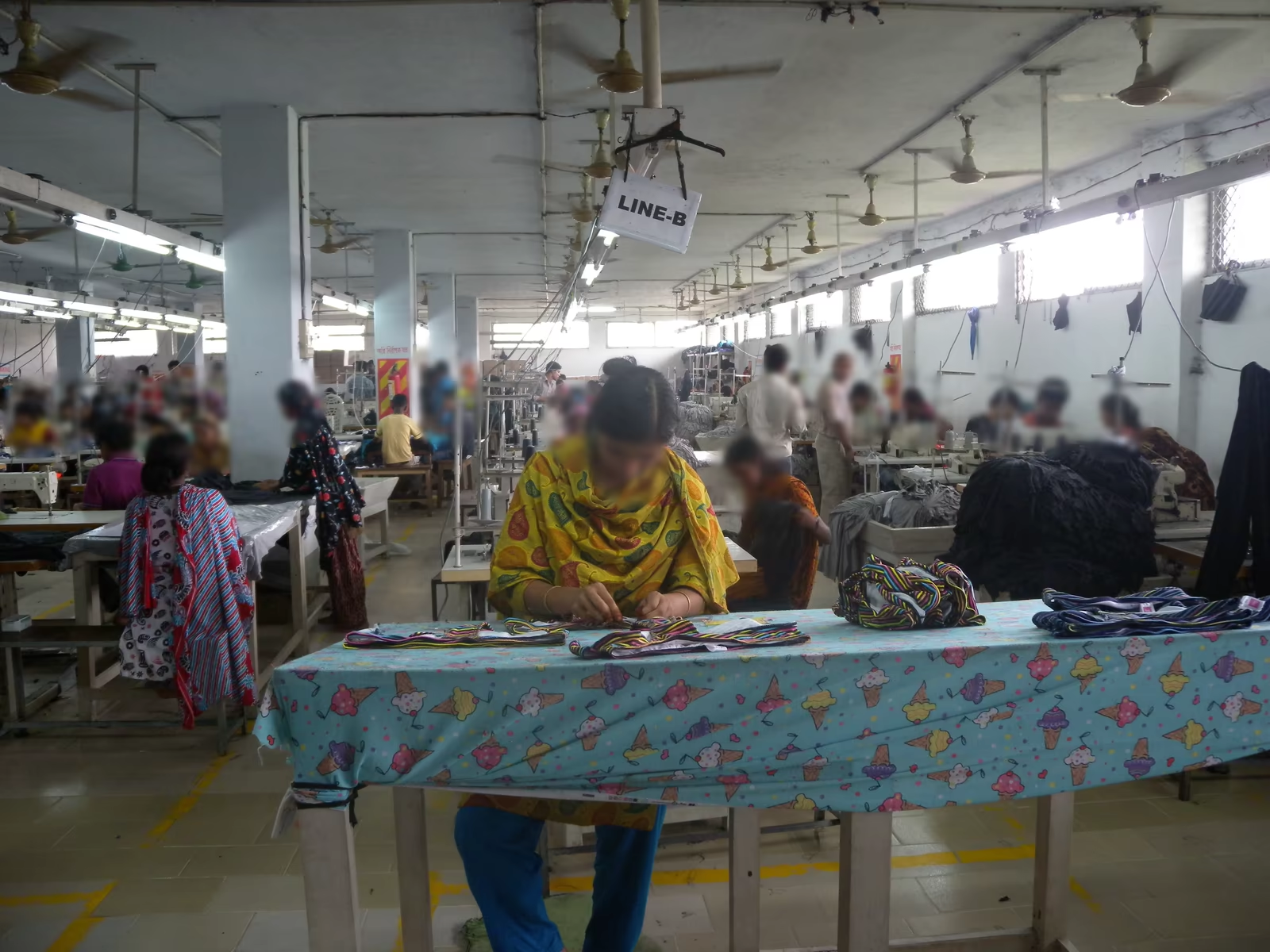
The working rule of this page is simple: a compliance requirement named at the beginning is a specification, and a specification is what this company works to. Send your required standards, your code of conduct or your document list with your enquiry through the contact page, and the reply will confirm, point by point and in writing, how each one is met for your programme, what it costs, and what evidence you will hold when the goods arrive. The photographs on this page are symbolic images of garment production of the kind arranged for buyers, shown so the process can be pictured clearly.