
Apparel Manufacturing
High Quality Heavy Cotton T-Shirt Manufacturer in Bangladesh for Denmark Bulk Buyers in Vienna
We are a high quality heavy cotton t-shirt manufacturer in Bangladesh for Denmark bulk buyers, sewing heavyweight tees to order at 200 to 240 GSM in your fabric, colours and sizes, with reinforced collars, your own woven label sewn in, and the finished weight checked on every lot.
- Materials: Heavy cotton single jersey at 200 to 240 GSM, combed or carded; the yarn, the weight and the hand feel are chosen by you and verified on finished garments.
- Functionality: A dense, durable garment built for the weight: reinforced collar and shoulders, stitch density set for heavy cloth, fit and shade matched to your approved sample.
- Size: Men's, women's and youth sizes XS to 3XL, graded to your chart and checked during sewing, not only at the end.
- Customization: Your colours dyed to your reference, boxy or classic fits from your pattern, your woven neck label, your hang tag and your packing format.
Simply The Best
PORTFOLIOS
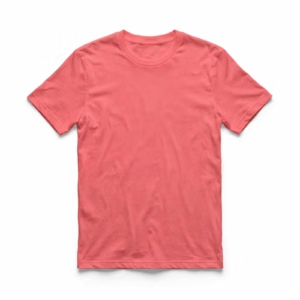

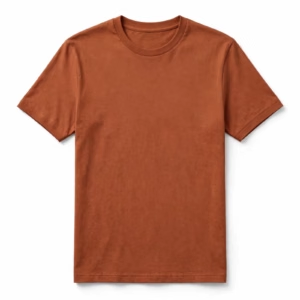
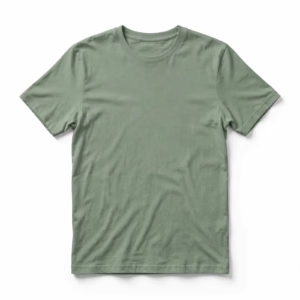
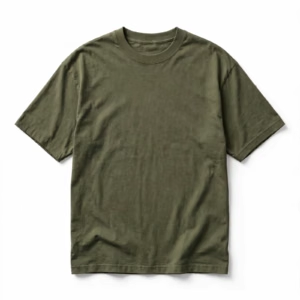
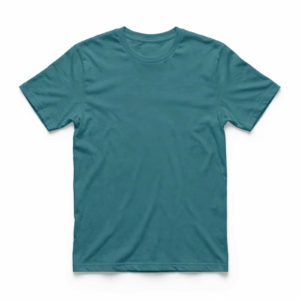
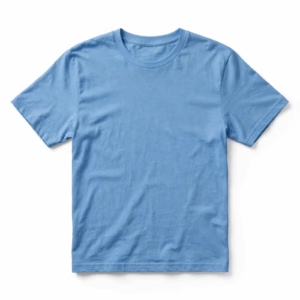
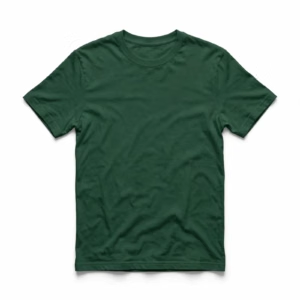
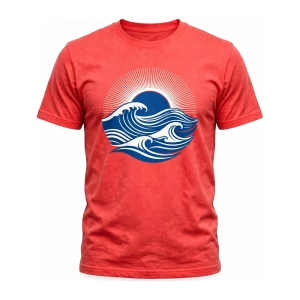
Product Details
High Quality Heavy Cotton T-Shirt Manufacturer in Bangladesh for Denmark Bulk Buyers in Vienna
Where Can Denmark Bulk Buyers Find a High Quality Heavy Cotton T-Shirt Manufacturer in Bangladesh?
Denmark bulk buyers find a high quality heavy cotton t-shirt manufacturer in Bangladesh by testing the weight in the hand and the wash, not by trusting the label: a heavy tee earns the name when the fabric is knitted at 200 GSM or above, the collar is built to survive washing, and the finished garment still weighs what the specification promised. We sew heavy cotton t-shirts in bulk to order for buyers across Denmark, in your colours, your sizes and your label.
Heavy cotton is a quality decision before it is a style decision. The denser cloth drapes better, prints cleaner, keeps its shape through far more washes, and feels like value the moment a customer picks it up. That is why premium and workwear-adjacent ranges keep returning to it, and why the checks on a heavy programme are stricter, not looser.
- Heavyweight crew necks at 200 to 240 GSM
- Dense single jersey with a smooth, print-ready surface
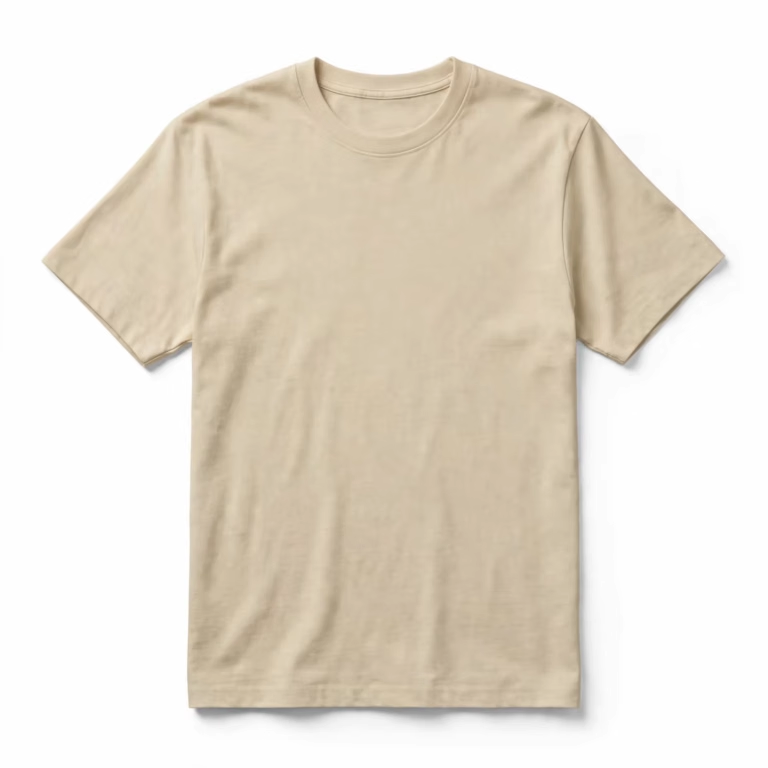
- Sand ecru base colour, dyed to your approved shade
- Your own woven neck label sewn in, reading YOUR LABEL
- Made to order for your range, never pulled from warehouse stock
- Premium brands whose customers judge by hand feel
- Workwear and merchandise suppliers needing durability
- Retail chains building a heavyweight core range
- Print houses that need a dense, stable print base
- Private labels stepping up from midweight basics
If part of your range is cut from your own patterns rather than standard blocks, our cut and sew t-shirts at wholesale are made on the same heavy standard where the style calls for it.
What makes a heavy cotton tee high quality rather than just heavy
Weight alone is easy to fake with loose knitting and finishing tricks that wash out in a month. Real quality is density: yarn packed tight enough that the fabric resists stretch, holds print, and keeps its surface. The checks below are how the difference is proven, on the lot, before cutting.
- Finished weight measured on the garment, not the greige roll
- Dense knitting that resists stretch and bagging at the elbows
- Collar rib with recovery, knitted to match the heavier body
- Nothing comes off a shelf, so the fit stays the fit, order after order
- Your label, tags and packing are applied during production
How Does a Heavy Cotton T-Shirt Manufacturer in Bangladesh Sew in Bulk for Denmark?
A heavy cotton t-shirt manufacturer in Bangladesh sews in bulk for Denmark by adjusting the whole make to the denser cloth: cutting settings for the thicker fabric, needles and stitch density matched to the weight, and a reinforced collar and shoulder build, because a heavy body on a light collar fails exactly where the customer holds it.
Every stage is checked against the specification while the work is live. Fabric lots are weighed and washed before cutting, panels are checked as they come off the table, and the sewing line measures against the chart during the run, so a drift is caught on the tenth garment, not the thousandth.
- Fabric lots passed for weight and shrinkage before cutting
- Heavier collar rib, dyed with the body fabric so the neck matches
- Shoulder tape inserted at sewing, so the neck holds its shape
- Stitch density set for the heavier cloth, seams checked by pull
- Running measurement checks during sewing, not only at the end
- Shade bands agreed, so borderline lots are re-dyed, not shipped
- Finished garments weighed again before pressing and packing
Construction details that decide whether a heavy tee lasts
On a heavyweight garment the construction carries more load, so the details that are optional on a light tee become structural on a heavy one. These are the points we hold on every heavy order.
- Reinforced shoulder seams with tape inside
- A collar rib with enough body to sit flat after washing
- Side seams matched front to back, so the garment hangs straight
- Hem stitching that holds the heavier fabric without puckering
- Sleeve hems finished to the same density as the body hem
- Neck label sewn flat, so it never folds against the skin
What Makes a Heavy Cotton T-Shirt Exporter in Bangladesh Right for Denmark Bulk Programmes?
A heavy cotton t-shirt exporter in Bangladesh is right for Denmark bulk programmes when the export discipline matches the garment discipline: cartons packed to the agreed ratio and weight, documents prepared with the goods, and a straight answer early when something needs more time.
Heavy goods cost more to freight per piece, so a late or wrong shipment hurts twice. That is why the production plan is agreed before cutting, why carton weights are checked against the packing list, and why you hear about a problem from us first, while it can still be fixed.
- Finished garments inspected one by one before pressing
- Cartons marked by style, colour and size for fast receiving
- Carton weights checked against the packing list
- Origin and export documents prepared with the goods
- One contact who knows your order, from sample to shipment
- Reorders filed against the same documents, season after season
What you hear from us while your heavy cotton order is in production
A bulk programme runs on information as much as on sewing. The stages are few and they are reported as they complete, so a Denmark buyer can promise delivery dates built on real progress.
- Sample approval confirmed before any bulk fabric is cut
- Fabric lot passed for weight, shade and shrinkage before cutting
- Sewing progress reported with the running check results
- Finished weight spot checks reported before packing
- Shipment booked and documents shared when the goods leave
- A problem is reported when it is found, with the fix already running
Which Heavy Cotton T-Shirt Styles Do Denmark Brands Order in Bulk from Bangladesh?
Denmark brands order the heavy cotton styles that carry a premium or durable range: classic heavyweight crew necks as the core, boxy and relaxed fits for fashion lines, and long sleeve heavyweight variants for the cooler months. Most programmes open with two or three styles on one heavy fabric base, prove the sell-through, then widen by colour.
- Classic heavyweight crew necks: the core, reinforced collar and shoulders
- Boxy heavyweight tees: a structured drape for fashion ranges
- Long sleeve heavyweight tees: ribbed cuffs, cooler month weight
- Heavy pocket tees: a chest pocket on the dense base
- Women’s heavyweight tees: shaped bodies on the same heavy fabric
- Workwear weight tees: the densest build for hard use
Every style is a starting pattern, not a fixed product. Your tech pack decides the final measurements, and where you already sell a heavy tee, we measure from it and match the fit and weight your customers know.
Heavy fabric weights bulk buyers choose, and what each is for
Heavy cotton programmes for Denmark are sewn between 200 and 240 GSM. The lower end carries premium retail; the middle serves most heavyweight ranges; the top end is workwear and merchandise territory, where durability is the selling point.
| Fabric | Weight | Best for |
|---|---|---|
| Heavy single jersey, combed cotton | 200 to 220 GSM | Premium retail heavyweight tees |
| Heavy single jersey, carded cotton | 200 to 230 GSM | Merchandise and durable core ranges |
| Extra heavy single jersey | 220 to 240 GSM | Workwear weight tees, maximum durability |
| Heavy slub jersey | 200 to 220 GSM | Fashion ranges with a textured surface |
| Heavy melange jersey | 200 to 220 GSM | Heather heavyweight ranges |
- Colours dyed to your swatch or Pantone reference
- Sizes XS to 3XL as standard on adult styles
- Ring spun yarns where the hand feel brief calls for them
- If you are unsure of a weight, send the tee you rate and we match it
How Should a Buyer Check a Heavy Cotton T-Shirt Factory in Bangladesh Before a Bulk Order?
A buyer checks a heavy cotton t-shirt factory in Bangladesh by weighing the finished garment, washing it hard several times, and measuring what survives: weight, collar shape, shrinkage and surface. Ask for each check by name before you commit a bulk order, and judge the answers you get.
- Fabric lighter than quoted: finished weight checked on every lot
- Weight lost after washing: weight re-checked on washed garments
- Collar sags under the heavy body: reinforced rib and shoulder tape
- Body twists in the wash: spirality checked on every fabric lot
- Seams pucker on dense cloth: stitch density set for the weight
- Sizes drift across the run: running checks while sewing is live
None of these steps is expensive or slow. They are simply done every time, on every order, which is what separates a heavy tee that lasts for years from one that lasts a season.
Sampling: where a heavy cotton programme proves itself
Before any bulk order, the sample carries the whole decision. A pre-production sample is sewn in the actual heavy fabric and colour, washed before it is judged, and checked against the same points the bulk run will be held to.
- Weigh the sample and compare it with the quoted weight
- Wash it several times and weigh and measure it again
- Stretch the collar and watch it recover, or not
- Print your largest design and check it sits clean on the dense surface
- Measure every point against your chart, after washing
- Approve in writing, so the bulk standard is fixed for both sides
If a sample fails one of those tests, you have spent a sample fee to learn it. If bulk fails the same test, you have spent a season of returns.
What Does Shipping Heavy Cotton T-Shirts from Bangladesh to Denmark Involve?
Shipping heavy cotton t-shirts from Bangladesh to Denmark runs on established weekly export routes to Danish and nearby European ports and airports, by sea for planned programmes and by air where a selling date cannot wait. Bangladesh’s garment exporters ship to Europe every week, coordinated nationally through bodies such as the BGMEA.
A real costing is done on your actual garment, never as one flat quote for every tee. Send the style, the fabric and weight you want, the colours and sizes, the quantity per colour and your label and packing requirements, and the reply carries a costing on your real garments.
- Sea freight for planned, repeat programmes
- Air freight where a launch or an event date demands it
- Garments folded and bagged exactly as agreed at sampling
- Reorders filed against the same documents, season after season
If your buying also runs through distribution channels, our direct t-shirts for wholesale distributors are made on the same standard.
Sea or air: choosing how a Denmark order travels
The choice is made on the selling date, not on habit. Planned programmes travel by sea, where the cost per shirt stays low and the reorder can leave while the first run is still selling. A fixed launch, a restock emergency or an event date moves the order to air, and the costing shows both options before you decide.
- Sea for planned ranges and seasonal reorders
- Air for launches, restocks and fixed event dates
- The decision is costed openly, per order, before booking
Planning the first order and the reorder around Denmark selling seasons
The brands that never run out of stock plan the reorder before the first order sells out. A simple pattern works for most Denmark programmes:
- Open with your two strongest colours on one heavy fabric base
- Approve samples first, and hold the approved set on file
- Time sea freight so stock lands ahead of the selling season
- Widen colours and sizes once customers confirm the fit
- Keep the core styles running between seasonal ranges
- Review sizes after the first season and adjust the grading once
Questions Denmark Buyers Ask a Heavy Cotton T-Shirt Supplier Before Ordering
How heavy is heavy, in your specification?
Heavy starts at 200 GSM in our specification and runs to 240 GSM for workwear weight. The weight quoted is the finished garment weight, checked on the lot before cutting and again on finished garments before packing.
Will the collar hold up on a heavy body?
Yes, because it is built for the weight: a heavier rib dyed with the body fabric, shoulder tape inside the seam, and a recovery check at sampling. A light collar on a heavy body is the most common failure in this category, so it is checked first.
How do samples work before a bulk order?
Send the style details, measurements or the heavy tee you rate. A pre-production sample is sewn in the actual fabric and colour, washed before judging, for your approval, and bulk starts only after you approve it.
Can we start with two colours and add more later?
Yes, and most buyers do exactly that. Open on the colours that already sell, prove the weight and fit with your customers, then widen the range on the reorder against the same fabric base.
What happens if a fabric lot fails a check?
It does not get cut. A lot that misses the agreed weight, shade band or shrinkage is re-dyed or replaced before cutting, and you hear about it from us with the new date it causes.
What decides the price of a heavy cotton t-shirt order?
The fabric and the weight it is knitted at, the quantity per colour, the number of sizes in the run, and the label, tag and packing work included. Heavier fabric costs more per garment, and the costing shows that openly on your actual garment.
What makes one order match the next?
The approved sample, measurement chart, fabric specification and dye reference stay filed under your brand’s name. Every reorder is made against those documents, so fit, shade, weight and hand feel hold from the first order onward.
When you are ready to cost your own programme, send the styles, fabric weights and colours through our contact page. The reply carries a costing on your real garments, not a catalogue guess.