
Apparel Manufacturing
Custom Skirts Manufacturing Factory in San Francisco
We are a custom skirt manufacturer in Bangladesh, sewing to order for women's fashion brands, boutiques and private label programmes. Every skirt is made to order through our Bangladesh production network: your label, your sizes, your fabrics and your packing, checked piece by piece before it leaves.
- Materials: Cotton twill and poplin, viscose and crepe, linen blends and jersey qualities; interfaced waistbands and matched invisible zips as standard.
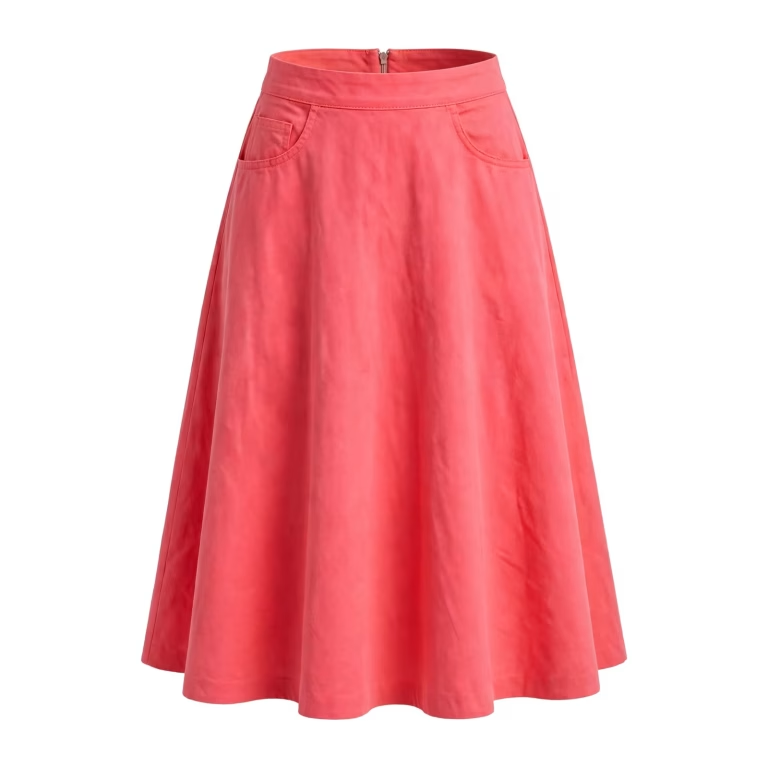
- Functionality: A-line, pencil, pleated, maxi, wrap and mini styles with darts, lining and pocket options; print placement set per style.
- Size: Women's sizing from XS to 3XL on EU, UK and US charts, graded to your block; petite and tall lengths on request.
- Customization: Your woven waistband label and size marks, custom prints and colours matched to your artwork, embroidery and trim options, packing to your format.
Simply The Best
PORTFOLIOS
Product Details
Custom Skirts Manufacturing Factory in San Francisco
Custom Skirt Manufacturer in Bangladesh
SiATEX Global works as a custom skirt manufacturer in Bangladesh for women’s fashion brands, boutiques, high-street labels and private label programmes that need skirts sewn to their own block, fabric and finish. From our office in Dhaka, we coordinate production through our network of partner factories in Dhaka, Gazipur, Narayanganj and Ashulia, where woven and jersey skirts run through every season. Most of our skirts are made for buyers in the USA, UK, Germany, Canada and Australia, and the same system serves labels in France, Spain, Italy and the Gulf markets.
A skirt is a fit garment and a fabric garment at once. The waist must sit where the pattern says it sits, the hem must hang level all the way round, and the fabric must move the way the style promises: an A-line that swings, a pencil that holds its line, a pleat that stays a pleat. As an experienced skirt supplier in Bangladesh, we treat those three checks as the core of the programme, and we build them in at the sample stage rather than discovering them at final inspection.
- A-line and flared skirts: midi and maxi lengths with level, even hems.
- Pencil and straight skirts: darted fits for workwear and fashion ranges.
- Pleated skirts: knife, box and accordion pleats pressed and packed to hold.
- Wrap, mini and jersey skirts: fashion and casual styles across fabric families.
Custom Skirt Manufacturing in Bangladesh
Custom skirt manufacturing is pattern discipline. A flared skirt is cut partly on the bias, and bias panels grow: a panel that measures correctly off the table can hang longer after a day on the rail. The lines that make skirts well rest flared panels before the hem is levelled, so the hem the customer receives is the hem that stays. Waistbands are interfaced so the top edge does not roll, darts are pressed toward the correct side, and invisible zips are set into the seam so the closure disappears, because on a skirt the zip is part of the look.
Sizing runs on the waist first. A skirt graded loosely at the waist fits nobody: too tight and it rides up, too loose and it twists as the wearer walks. We grade from the buyer’s block, hold the waist measurement to a tight tolerance, and check the waist on every size in the set before cartons close.
- Pattern stage: flared panels rested before hemming so hems stay level.
- Waist control: interfaced waistbands, waist sizes held to tight tolerance.
- Closures: colour-matched invisible zips set cleanly into the seam.
- Darts and seams: pressed and finished to the approved sample standard.
Skirt Supplier in Bangladesh for USA Brands
American women’s brands buy skirts across the whole style map: workwear pencils, weekend A-lines, pleated midis and printed maxis, and they buy them against a calendar of drops that keeps moving. Working as a skirt supplier in Bangladesh for USA brands, we develop styles quickly, grade them to US charts (including plus sizes, which many skirt programmes now treat as core rather than extra), and hold the fit block steady across a season’s colour and print changes.
US programmes also lean on fabric variety: the same skirt block in a twill for autumn, a crepe for the holiday drop and a print for spring. Because the block is archived and the factories know it, a fabric change does not restart the fit from zero; the sample cycle covers the new fabric’s behaviour, and the waist and hem standards carry over.
- Style range: pencil, A-line, pleated, wrap and maxi in woven and jersey fabrics.
- Grading: US sizes including plus, held on one archived fit block.
- Season drops: one block carried across fabrics and prints through the year.
- Development: fast sampling for calendar-driven fashion programmes.
Skirt Styles: A-Line, Pencil, Pleated, Maxi and Wrap
The A-line is the volume skirt of most ranges: fitted at the waist, flaring to the hem, in midi lengths for daywear. The pencil is its opposite, a close line held by darts and a back vent or slit for movement. Pleated skirts, knife pleats for school and fashion, box pleats for a fuller swing, depend on pressing and packing as much as sewing. Maxi skirts use the most fabric and show every cutting fault at scale, while wrap styles live or die on their tie and fastening placement. Each family is sampled and approved on its own construction.
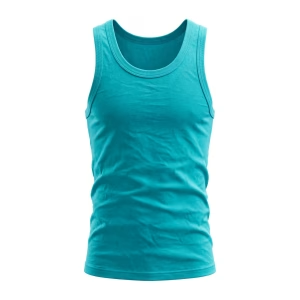
Bangladesh’s apparel industry, organised internationally through the BGMEA, sews these styles at export scale, and our network covers the woven and knit versions alike. Skirt programmes are often bought as coordinates: brands pair them with tops from our custom tank top range and similar pieces, keeping one fit standard across the outfit.
- A-line: the flared daywear skirt, midi and maxi lengths.
- Pencil: darted close fit with vent or slit for movement.
- Pleated: knife and box pleats, pressed and packed to hold their shape.
- Wrap and maxi: fastening discipline and large-panel cutting accuracy.
Waistbands, Zips and Hems: The Skirt Details
Three details decide whether a skirt feels well made. The waistband must be firm without digging: interfacing weight is matched to the fabric, and the band is closed with a hook and bar or button that sits flat. The zip, usually an invisible zip in the side or back seam, must run smoothly and match the fabric colour, because a contrast zip pull on a clean skirt reads as a fault. The hem must be level and finished to the style: a narrow machine hem on casual styles, a blind hem on tailored ones, a faced hem where the fabric is heavy.
Lining belongs in this list for light colours and fine fabrics. A pale skirt without lining is a complaint waiting to happen; we advise lining at the sampling stage whenever the fabric’s opacity calls for it, half lining or full lining to the buyer’s programme.
- Waistbands: interfaced to the fabric weight, flat closures, no rolling.
- Zips: invisible, colour-matched, set into the seam line.
- Hems: level all round, finish matched to the style and fabric.
- Lining: advised and fitted wherever fabric opacity requires it.
Skirt Manufacturer in Bangladesh for Spain Companies
Spanish high-street fashion runs on speed and on print. Skirt programmes for Spain change prints and colours inside a season, and the styles lean toward movement: pleats, flares and fluid maxis in viscose and crepe. Working as a skirt manufacturer in Bangladesh for Spain companies, we keep print placement and colour standards under the same discipline as a plain dye programme, and we sample fast enough for the in-season decisions Spanish buyers actually make.
Fluid fabrics are the technical core of the Spanish order. Viscose and crepe shift on the table and grow on the hanger; cutting them well means resting, careful marker work and hem levelling after rest, the same bias discipline as a flared skirt, applied to the whole garment.
- Print programmes: placement and colour held across in-season repeats.
- Fluid fabrics: viscose and crepe cut with rest and levelling discipline.
- Style lean: pleated, flared and maxi styles for high-street drops.
- Speed: sampling cycles matched to in-season buying decisions.
Fabrics for Skirts: Twill, Poplin, Crepe and Viscose
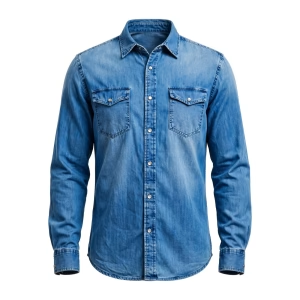
Cotton twill gives a skirt structure: it holds an A-line, takes pockets and waistbands cleanly, and suits daywear and uniform programmes. Poplin is lighter and crisper, for summer and shirt-style skirts. Crepe drapes with a textured surface that hides a multitude of seams, a fashion staple for midi and maxi styles. Viscose is the fluid one, printed more than any other skirt fabric in our programmes. Linen blends serve summer ranges, and denim skirts run through the same denim cluster as our custom denim shirt production, sharing washes and shade standards.
Every fabric is checked for the skirt-specific risks: opacity against the light, bias growth on flared cuts, crease recovery on styles that will be worn seated all day, and colourfastness on the bright shades fashion skirts favour. Results come back at the fabric stage, before cutting.
- Twill and poplin: structured cottons for A-line, pencil and uniform skirts.
- Crepe and viscose: drape fabrics for fashion midi and maxi styles.
- Linen blends: summer programmes with a natural hand feel.
- Fabric checks: opacity, growth, creasing and colourfastness before cutting.
Skirt Exporter in Bangladesh for German Retailers
German retailers buy skirts on measurements. Working as a skirt exporter in Bangladesh for German retailers, we grade to German and EU charts (sizes 34 to 48 and beyond), hold the waist, hip and length tolerances tightly, and expect the size set to be measured after finishing, not estimated from the pattern. A skirt that measures correctly but hangs unevenly still fails, so hem level is checked on the form as part of final inspection.
Care and content labelling in German is prepared inside the programme, and repeat styles are archived so a core retail skirt reorders to the same block season after season. Consistency is the product: the retailer’s customer buys the same skirt twice and expects the same fit.
- Grading: EU and German size charts across the full retail range.
- Measurement: waist, hip, length and hem level verified on finished garments.
- Labelling: German content and care labels prepared in the programme.
- Repeats: core styles archived for season-after-season reordering.
Three finishing arts complete the skirt: pleats, prints and lining. Pleats are made twice: once at the sewing table and once at the press. A pleated skirt is pressed pleat by pleat, then packed so the pleats survive the journey: folded along the pleat lines, never crushed across them. Buyers are advised at sampling on which fabrics hold a pleat through washing (polyester and blends hold; pure viscose softens), so the style is specified honestly from the start.
Prints on skirts are placed, not scattered blindly: a border print belongs at the hem, a large motif belongs centred where the pattern puts it, and panels are cut so the print reads continuously around the body. Lining, where fitted, is cut slightly easier than the shell so it never pulls the skirt’s line, and it is attached so the hem hangs as one.
- Pleats: pressed individually, packed along the pleat lines.
- Honest specification: pleat-holding fabrics advised at the sample stage.
- Prints: motifs and borders placed deliberately around the body.
- Lining: cut easy, attached clean, hung as one with the shell.
Sampling, Quality Control and Packing
Skirt programmes run the standard gates. Fabric checks cover opacity, shrinkage and colour. The fit sample is judged on a form or model for waist position, hang and hem level, and the pre-production sample fixes the waistband construction, zip, lining and label placement.
Production checks concentrate on the skirt risks: waist measurement on every size, zip function, dart pressing, hem level all round, pleat condition after pressing, and print placement on patterned styles. Skirts are packed flat or on hangers to the buyer’s format; pleated styles are packed to protect the pleats, and final inspection re-measures and re-hangs samples from the finished cartons before sealing.
- Fit gate: sample judged for waist position, hang and hem level.
- Production control: waist, zip, darts, hem and pleats checked in line.
- Packing: flat or hangered to the buyer’s format, pleats protected.
- Final inspection: re-measure and hang check from sealed cartons.
Why Brands Choose a Skirt Factory in Bangladesh
Skirts sit between the woven and knit worlds, and Bangladesh works in both: the same industrial base that sews tailored trousers sews pleated viscose midis, prints them locally and finishes them to retail standard. That breadth matters to a buyer building coordinates, because tops, skirts and dresses can be produced inside one cluster under one quality discipline.
SiATEX Global adds the coordination. As your skirt factory in Bangladesh partner, we place each style with the line that fits its fabric and construction, archive your blocks and prints, and hold one standard from the first fit sample to the final carton.
- Woven and knit breadth: tailored and fluid skirts from one production base.
- Local printing: print capacity inside the same garment cluster.
- Coordinate production: skirts and matching tops under one standard.
- One contact: Dhaka office coordination from first sample to final shipment.
Frequently Asked Questions
Can a UK boutique order small runs of pleated skirts in its own prints?
Yes. UK boutiques and small labels order pleated and A-line skirts from us in their own prints and colourways, with their own woven labels fitted. Send us the artwork and the style reference, and the sampling stage will confirm how the print sits on the pleats before any bulk is cut.
Do you make maxi skirts for Australian brands in Australian sizes?
Yes. Australian brands order maxi and midi skirts from us graded to Australian sizing, scheduled against the southern hemisphere seasons. Fluid viscose and crepe styles are regular Australian programmes, cut with the rest and levelling discipline those fabrics need.
Should a light coloured skirt be lined?
In most cases, yes. Pale colours and fine fabrics show through in daylight, and a half or full lining solves it while improving how the skirt hangs. We will show you the fabric against the light at the sampling stage and advise honestly.
Can you match a skirt to a top we already produce with you?
Yes. Coordinates are a normal part of our work: the skirt is sampled in the matching fabric, colour standard and label set of the top it pairs with, so the two pieces sit together on the rail as one outfit.
Looking for a Custom Skirt Manufacturer in Bangladesh?
Whether you are building a workwear range, a pleated fashion story, a school uniform programme or a coordinate set, send us your designs, your fabric ideas or a skirt you already sell and want made better. As a custom skirt manufacturer in Bangladesh, we will come back with a sampling plan, a fabric recommendation and an honest view of what your programme needs. Reach us through our contact page and tell us about the range you are planning.