
Apparel Manufacturing
Custom Print T-Shirt Manufacturing Factory in San Diego
We are a custom print t-shirt manufacturer in Bangladesh, sewing and printing to order for fashion brands, merch labels and private label programmes. Every shirt is made to order through our Bangladesh production network: your label, your sizes, your artwork and your packing, checked piece by piece before it leaves.
- Materials: Cotton single jersey at 160 to 220 GSM, combed and bio-washed for a smooth print surface; slub and melange options.
- Functionality: Screen printing, water-based and discharge inks, DTG for short runs, puff and foil specials; prints tested for crack and wash.
- Size: Men's and women's sizes XS to 3XL, graded to your chart; print sizes scaled by garment size where the design needs it.
- Customization: Your woven neck label or printed neck label, your artwork at chest, back and sleeve placements, packing to your format.
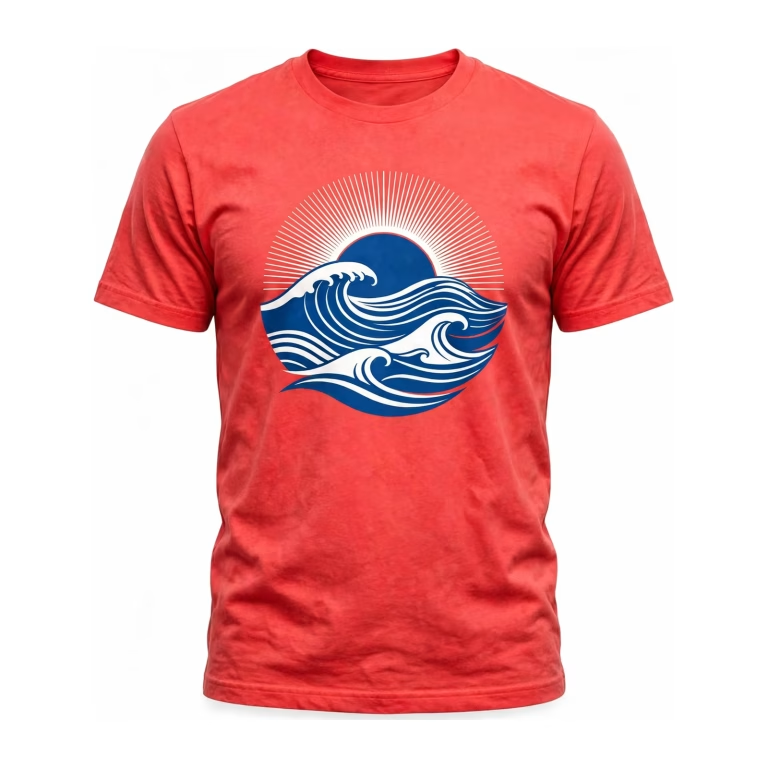
Simply The Best
PORTFOLIOS
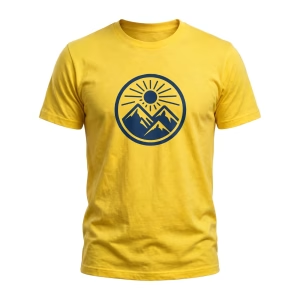
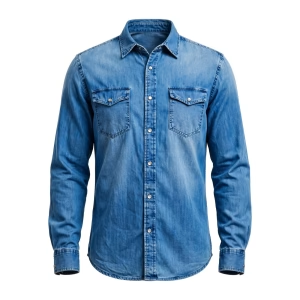
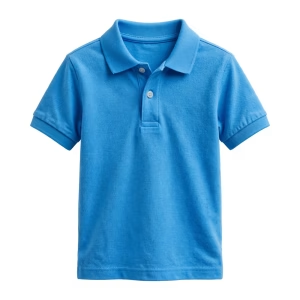
Product Details
Custom Print T-Shirt Manufacturing Factory in San Diego
Custom Print T-Shirt Manufacturer in Bangladesh
SiATEX Global works as a custom print t-shirt manufacturer in Bangladesh for fashion brands, merch labels and private label programmes whose product is the print as much as the shirt. From our office in Dhaka, we coordinate production through our network of partner factories in Dhaka, Gazipur, Narayanganj and Ashulia, where sewing lines and print tables work in the same buildings, so the garment and its graphic are made as one product rather than handed between strangers. Most of our printed tees are made for buyers in the USA, UK, Germany, Canada and Australia, and the same lines serve labels in France, Spain, Italy and the Gulf markets.
A printed tee fails in two places: the shirt under the print and the print on the shirt. Cheap jersey twists and the graphic twists with it; weak ink cracks by the fifth wash and the design dies before the shirt does. As an experienced print t-shirt supplier in Bangladesh, we control both halves together: print-grade fabric, and prints tested for crack, fade and hand feel before a design is approved for bulk.
- Core garment: crew neck tees in print-ready jersey, 160 to 220 GSM.
- Print methods: screen, water-based, discharge, DTG and special effects.
- Testing: crack, wash and rub tests on every approved design.
- Programmes: fashion graphics, merch, licensing and private label print ranges.
Custom Print T-Shirt Manufacturing in Bangladesh
Custom print t-shirt manufacturing runs two crafts in sequence and judges them together. The garment side is our standard tee production: combed cotton jersey, bio-washed so the print surface is smooth and the shirt is pre-shrunk, side-seamed bodies that keep the print centred on the wearer. The print side begins with artwork separation: each colour becomes a screen, registration is set so colours land on each other exactly, and the first prints are struck off on the actual garment colour, because a print approved on paper changes completely on coral, black or melange.
Curing is where print life is decided. Ink cured too cool washes out; cured too hot scorches and cracks later. Our print partners run tested cure profiles per ink family and verify with wash tests on production samples, so the graphic the buyer approves is the graphic after twenty washes, not just after one.
- Print-ready garments: bio-washed, pre-shrunk, side-seamed tees.
- Separation: artwork split per colour with tight registration.
- Strike-offs: prints approved on the real garment colour.
- Cure control: tested profiles verified by wash results.
Print T-Shirt Supplier in Bangladesh for USA Brands
The United States is the world’s graphic tee market: band and tour merch, licensed characters, collegiate and souvenir ranges, and fashion graphics that turn over with the season. Working as a print t-shirt supplier in Bangladesh for USA brands, we produce across that span, from one-colour chest prints on core tees to eight-colour simulated process work on fashion garments, graded to US sizes with print dimensions scaled by size where the brand specifies, because a chest print that suits a small looks lost on a 2XL if it is never scaled.
Speed matters in the American merch business: a design tied to an event or a season has a hard date. We plan print capacity against those dates at order stage and confirm the calendar in writing, with strike-off approval built into the schedule rather than left to chance at the end.
- Range: one-colour logos to full simulated process graphics.
- Print scaling: graphic dimensions graded by garment size.
- Calendar: event and season dates planned at order stage.
- Grading: US sizes XS to 3XL in men’s and women’s fits.
Printing Methods: Screen, Water-Based, DTG and Special Effects
Screen printing carries the volume business: plastisol for opacity and durability, water-based inks for the soft zero-hand feel fashion brands ask for, and discharge printing that removes the garment dye and replaces it with the design colour for the softest result on dark tees. DTG, direct to garment, serves short runs and photographic artwork where screens would price the design out. Special effects complete the toolbox: puff for raised graphics, foil and metallic, high-density, and glow and reflective inks for novelty and safety-led ranges.
Event and campaign shirts sit inside the same system through our custom promotional t-shirt programme, where the print is usually simpler and the deadline is usually harder. Method choice is made per design, with the hand feel, the wash target and the run size deciding, never habit.
- Screen: plastisol opacity or water-based softness.
- Discharge: the softest print on dark garments.
- DTG: photographic designs and short runs.
- Effects: puff, foil, high-density, glow and reflective.
Tee Fabrics That Print Well
Print quality is set by the cloth before ink touches it. Combed cotton single jersey gives the smooth face fine lines need; loose or hairy jersey breaks halftones and drinks ink unevenly. Bio-washing removes the surface hair and is close to non-negotiable for quality work. Fabric weight matters too: below 160 GSM, heavy ink coverage can show through and stiffen the garment; 180 to 220 GSM carries large prints with the drape intact. Melange and slub fabrics print beautifully with the right ink choice, and terribly with the wrong one, which is why every fabric and ink pairing is struck off together.
Ink safety is specified, not assumed: our print partners work with ink systems that meet the OEKO-TEX standards buyers specify for skin-contact garments, with documentation held in the programme file.
One more fabric decision hides inside every print order: the garment colour itself. Reactive-dyed cotton gives discharge printing its cleanest results, pigment-dyed and garment-dyed bases give vintage ranges their character, and heather melanges soften bold graphics into a retail finish. We advise on the base before the artwork is finalised, because the cloth and the graphic succeed or fail together.
- Combed jersey: smooth face for fine lines and halftones.
- Bio-wash: surface hair removed before printing.
- Weight match: GSM chosen against print coverage.
- Ink standards: certified ink systems with documentation.
Print T-Shirt Manufacturer in Bangladesh for Canada Companies
Canadian print programmes mix national and regional identity graphics, outdoor and lake-life artwork, and bilingual designs where the same shirt carries English and French. Working as a print t-shirt manufacturer in Bangladesh for Canada companies, we produce those ranges graded to North American sizes, with bilingual labelling in the programme and artwork files checked letter by letter where text is part of the design, in both languages, before screens are made.
Canadian seasons push weight range: summer souvenir tees at light weights, winter-weight long-sleeve print bases for the cold months. One artwork library serves both, with separations held so a design moves between garments without being re-created.
- Design range: identity, outdoor and bilingual artwork.
- Text checking: letter-perfect artwork in both languages.
- Season span: light summer to heavy winter print bases.
- Artwork library: separations archived for reuse across garments.
Placement, Size and Colour Matching of Prints
A great design printed in the wrong place is a failed shirt. Chest placement is measured from the neck point and held across sizes; print size is graded so the graphic keeps its proportion from XS to 3XL; colour matching runs to Pantone references with the strike-off judged on the garment colour, under daylight-balanced light, because ink colour is a relationship between the ink and the cloth under it.
Secondary placements extend the design language: back prints, sleeve hits, hem prints and inside-neck prints that replace the label with the brand mark. Printed versions of other garments, from our custom tank top range to long sleeves, share the same artwork files and placement logic, so a design family stays one family across the range.
- Placement: measured from fixed points, constant across sizes.
- Scaling: print dimensions graded with the garment sizes.
- Colour: Pantone matched, judged on the real garment colour.
- Placements: chest, back, sleeve, hem and neck print options.
Print T-Shirt Exporter in Bangladesh for German Retailers
German retailers buy printed tees with their usual evidence standard: ink safety documentation, wash test results for the print itself, and measurements verified on the finished printed garment, because printing and curing can move a borderline shirt out of tolerance. Working as a print t-shirt exporter in Bangladesh for German retailers, we supply that evidence as part of the programme, with print durability graded after repeated washing rather than merely asserted.
The German market also asks the hardest colour questions in Europe: brand colours must match across reorders months apart. Our archived separations, ink recipes and strike-offs make the reorder a reprint of the same graphic, not a fresh interpretation of it.
- Print testing: durability graded after repeated washes.
- Ink documentation: safety data held per programme.
- Reorder match: archived recipes and strike-offs reused exactly.
- Labelling: German content and care labels in the programme.
Sampling, Quality Control and Packing
Printed tee programmes carry a double gate. The strike-off approves the graphic: colours, registration, hand feel, crack and wash behaviour. The pre-production sample then approves the graphic on the graded garment, at production placement and scale, because a strike-off panel and a sewn shirt are not the same test.
In production, print tables are checked for registration drift and ink build across the run, and printed garments are inspected before folding, since a print fault folded into a polybag is a fault shipped. Final inspection samples printed pieces from the sealed cartons, stretches the print by hand to check cure and crack, and verifies placement measurements against the approved sample.
- Strike-off gate: graphic approved before garments are printed.
- Run control: registration and ink build checked across production.
- Print inspection: every printed garment checked before folding.
- Final check: cure and placement re-verified from cartons.
Why Brands Choose a Print T-Shirt Factory in Bangladesh
The printed tee is where Bangladesh’s two strengths meet: the world’s deepest t-shirt sewing base and a mature print industry that grew up beside it. Garment and graphic under one coordinated roof means one calendar, one quality standard and one partner answerable for the finished shirt, at the volumes and prices that keep graphic ranges commercial.
SiATEX Global adds the artwork discipline: separations and ink recipes archived, strike-offs judged on the real cloth, print durability tested rather than promised. As your print t-shirt factory in Bangladesh partner, we keep your best-selling graphic identical from the first run to the fiftieth.
- One roof: sewing and printing coordinated as one product.
- Print industry: screen, DTG and effects capacity at volume.
- Archives: artwork, recipes and strike-offs held for reprints.
- One contact: Dhaka office coordination from artwork to final shipment.
Frequently Asked Questions
Can a UK brand send its own artwork for printed t-shirts?
Yes. UK brands send artwork as vector or high-resolution files, and our separation team prepares the screens or DTG files from them, striking off on the actual garment colour for your approval before bulk. Your neck label, size marks and packing specification are fitted as part of the same programme.
Do you print short runs for Australian merch labels?
Yes. Australian merch and event labels use our DTG and small-screen setups for short runs and test designs, with the same fabric and quality standards as volume work, so a design that proves itself can scale into screen production without changing supplier or shirt.
How do you stop prints cracking in the wash?
Cracking is a curing and ink-choice fault, so we prevent it at those points: the right ink family for the fabric and design, tested cure profiles, and wash and stretch tests on production samples before the run is released. A print that cracks on the sample never reaches bulk.
Can the same design be printed on different garment colours?
Yes, and it is struck off on each colour separately, because ink reads differently on different bases. Dark garments may need an underbase or discharge approach where light ones do not; each colourway is approved on its own garment before production.
Looking for a Custom Print T-Shirt Manufacturer in Bangladesh?
Whether you are launching a graphic range, reprinting a proven design or building a merch programme, send us your artwork, your garment references or a printed shirt you already sell. As a custom print t-shirt manufacturer in Bangladesh, we will come back with a sampling plan, method and fabric options and an honest view of what your programme needs. Reach us through our contact page and tell us about the range you are planning.