
Apparel Manufacturing
Bulk Plain T-Shirt Manufacturer in Bangladesh for New Zealand Clothing Brands in Missouri
We are a bulk plain t-shirt manufacturer in Bangladesh for New Zealand clothing brands, sewing plain tees to order in the fabric, weight, colours and sizes your range sells, direct, with your own label, tags and packing on every shirt, and the same standard held on every reorder.
- Materials: Combed cotton single jersey at 160 to 240 GSM; the fabric, the weight and the hand feel are chosen by you and held lot by lot.
- Functionality: A consistent blank with a smooth, even surface ready for screen print, DTG or embroidery; fit, shade and hand feel matched to your approved sample on every order.
- Size: Men's, women's and youth sizes XS to 3XL, graded to your chart and checked during sewing, not only at the end.
- Customization: Your colours dyed to your swatch, your woven neck label, your hang tag and your packing format, exactly as you specify.
Simply The Best
PORTFOLIOS

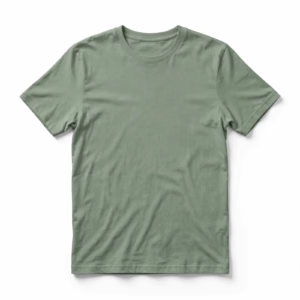
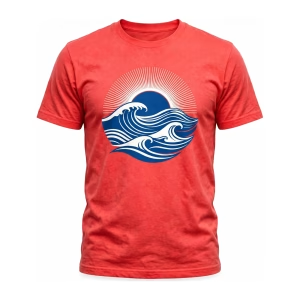
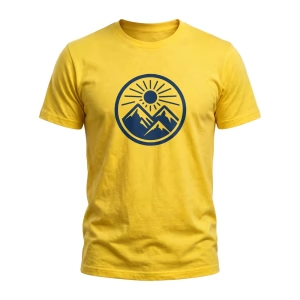
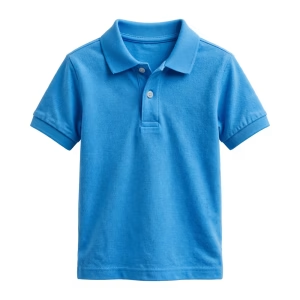
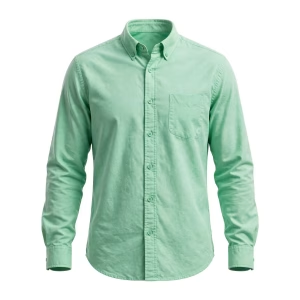
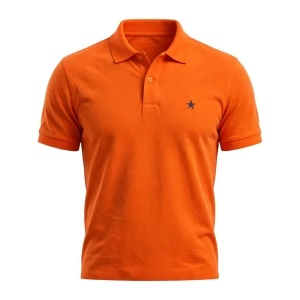
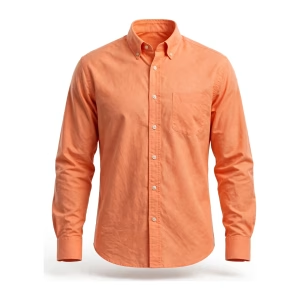
Product Details
Bulk Plain T-Shirt Manufacturer in Bangladesh for New Zealand Clothing Brands in Missouri
Where Can New Zealand Brands Find a Bulk Plain T-Shirt Manufacturer in Bangladesh?
New Zealand brands find a bulk plain t-shirt manufacturer in Bangladesh by going direct to the programme that makes the shirts, instead of buying blanks through layers of agents and resellers. We sew plain tees in bulk to order for clothing brands across New Zealand, in your colours, your sizes and your label, with nothing between your order and the production line but one contact.
Every hand a blank passes through adds cost and loses information. A shade instruction that travels through two agents arrives blurred at the sewing floor; a fit correction takes a season to come back. Buying direct keeps the instruction and the shirt in the same conversation, which is why the first sample and the fiftieth reorder match.
- Plain crew necks, V-necks and long sleeve tees in bulk
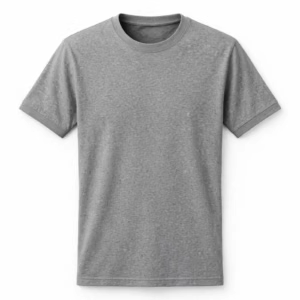
- Combed cotton single jersey with an even, print-ready surface
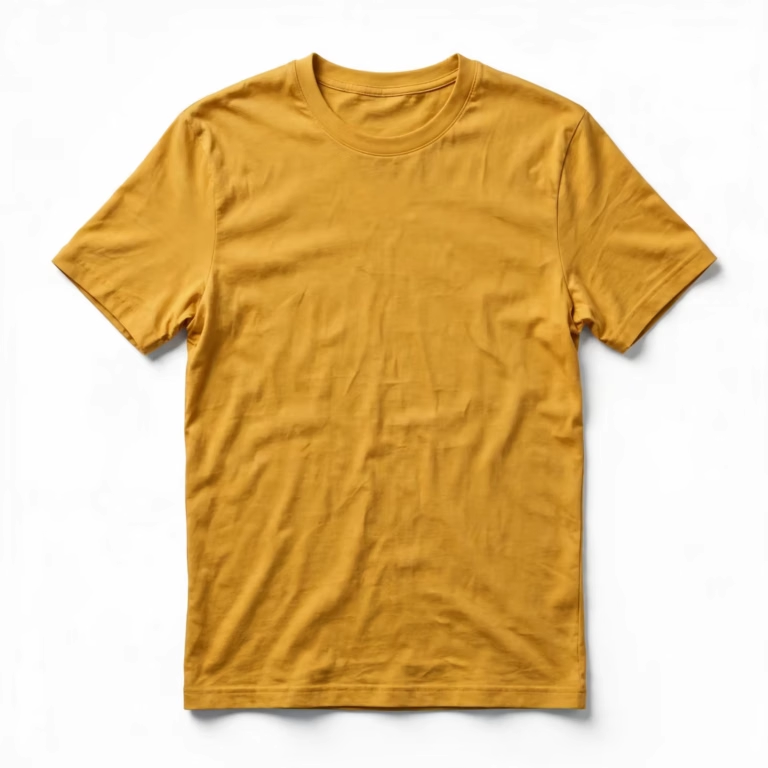
- Mustard yellow base colour, dyed to your approved shade
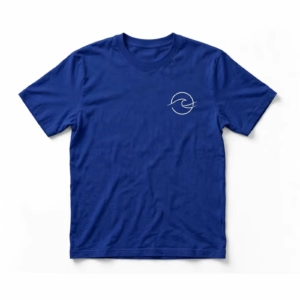
- Your own woven neck label sewn in, reading YOUR LABEL
- Made to order in bulk, never pulled from warehouse stock
- Independent clothing brands building a core range
- Print shops that want a consistent blank, season after season
- Streetwear labels that reorder the same styles each drop
- Workwear and uniform suppliers who cannot accept shade drift
- Online stores tired of a blank changing without warning
If your range carries your own branding, our private label t-shirt programme applies your label set during production, on this same fabric base.
Why New Zealand brands leave the blank resellers behind
Most New Zealand brands arrive with the same story: the blank they built their range on was discontinued, restocked in a different shade, or raised in price twice in a year. A reseller’s shelf is not a programme. Making to order replaces the shelf with a file: your sample, your chart, your shade, held under your name.
- The selling style is measured and matched, not replaced by a catalogue item
- Nothing comes off a shelf, so the fit stays the fit, season after season
- Your label, tags and packing are applied during production
- The price is costed on your garment, not on a reseller’s margin stack
- The programme widens by colour and style, not by supplier
How Does a Bulk T-Shirt Manufacturer in Bangladesh Supply Plain Tees Direct to Australia and New Zealand Brands?
A bulk t-shirt manufacturer in Bangladesh supplies plain tees direct to Australia and New Zealand by holding the whole order in one place: fabric, dyeing, cutting, sewing, finishing and export documents under one programme, with one contact who answers for all of it. Your instruction goes to the people making the shirts, and their questions come straight back to you.
Direct also means the checks happen where the shirts are. Fabric lots are passed for weight, shade and shrinkage before cutting, measurements are checked while sewing is live, and a lot that fails is re-dyed or replaced before it is cut, not explained after it lands in Auckland.
- One contact from sample to shipment, no agent chain
- Approved sample held on file as the standard for every reorder
- Measurement chart agreed in writing, point by point
- Every fabric lot checked for weight, shade and shrinkage
- Collar rib dyed with the body fabric, so the neck always matches
- Running measurement checks during sewing, not only at the end
- Shade bands agreed, so borderline lots are re-dyed, not shipped
What direct changes on price, and what it never changes
Going direct removes the margins stacked between a brand and the maker. It does not remove the work: sampling, checking and inspecting still happen on every order, and they are the reason a direct programme holds its standard where a cheap one drifts.
- The costing is done on your actual garment, fabric and weight
- No reseller margin sits between you and the production cost
- The sample standard is the bulk standard, with no second tier
- A problem is reported when it is found, with the fix already running
- Reorders are priced against the same file, not renegotiated from zero
What Makes a Plain T-Shirt Exporter in Bangladesh the Direct Choice for Australia and New Zealand Brands?
A plain t-shirt exporter in Bangladesh is the direct choice when the boring parts are done every time: honest fabric weights, piece-by-piece inspection, cartons marked so a warehouse can receive them, and a straight answer when something needs more time.
We would rather tell you a date we can hold than a date that wins the order and slips. The sea routes to Australia and New Zealand are among the longer ones our programmes serve, and a missed sailing costs weeks, not days. That is why the production plan is agreed before cutting, and why you hear about a problem from us first, not from your freight forwarder.
- Fabric weight honest, never lighter than promised
- Finished shirts inspected one by one before pressing
- Cartons marked by style, colour and size for fast receiving
- A packing list your warehouse can check the delivery against
- Origin and export documents prepared with the goods
- Sailing dates planned backwards from your selling date
What you hear from us while your order is in production
Direct also means you are never guessing where an order stands. The stages are few and they are reported as they complete, so a New Zealand buyer can plan a launch or a restock around real progress instead of hopeful emails.
- Sample approval confirmed before any bulk fabric is cut
- Fabric lot passed for weight, shade and shrinkage before cutting
- Sewing progress reported with the running check results
- Finishing and packing confirmed against your instructions
- Shipment booked and documents shared when the goods leave
- A problem is reported when it is found, with the fix already running
Which Plain T-Shirt Styles Do New Zealand Brands Order in Bulk from Bangladesh?
New Zealand brands order the staples that carry a four-season year: midweight crew necks for retail and print, lighter tees for the northern summer, and long sleeve and heavier styles for the southern winter. Most programmes open with two or three styles on one fabric base, prove the fit, then widen.
- Classic crew necks: the year-round retail staple, ribbed collar, shoulder tape
- Lightweight summer tees: breathable jersey for the warm northern months
- Heavyweight tees: 200 to 240 GSM for workwear and premium streetwear
- Long sleeve tees: ribbed cuffs, a southern winter essential
- Fitted women’s styles: shaped bodies cut from the women’s own block
- Pocket tees: one chest pocket, matched or contrast
Every style is a starting pattern, not a fixed product. Your tech pack decides the final measurements, and where you already sell a shirt, we measure from it and match the fit your customers know.
Fabric weights New Zealand brands choose, and what each is for
Most bulk plain tees for New Zealand are sewn between 160 and 240 GSM. Lighter cloth serves summer retail and event decoration; heavier cloth serves workwear, streetwear and the colder southern months.
| Fabric | Weight | Best for |
|---|---|---|
| Single jersey, carded cotton | 160 to 180 GSM | Event shirts, promotions, value retail |
| Single jersey, combed cotton | 180 to 200 GSM | Retail tees for screen print and DTG |
| Heavy single jersey | 200 to 240 GSM | Workwear, streetwear, premium ranges |
| Cotton polyester jersey | 160 to 200 GSM | Uniform programmes, colourfast colours |
| Slub or melange jersey | 150 to 190 GSM | Fashion ranges with a textured surface |
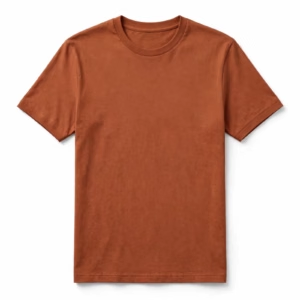
- Colours dyed to your swatch or Pantone reference
- Sizes XS to 3XL as standard on adult styles
- Blends with polyester or elastane where a style needs them
- If you are unsure of a weight, send the shirt you sell now and we match it
How Should a Brand Check a Bulk Plain T-Shirt Factory in Bangladesh Before Ordering?
A brand checks a bulk plain t-shirt factory in Bangladesh by testing the things that go wrong on other orders: collar recovery, body twist after washing, shade matching between cartons and size consistency across a run. Ask for each check by name before you commit, and judge the answers you get.
- Collar waves after washing: rib knitted and dyed with the body
- Body twists in the dryer: spirality checked on every fabric lot
- Shade drifts between cartons: dyeing matched to the filed swatch
- Sizes drift across the run: running checks while sewing is live
- Oil marks near the chest: piece inspection before pressing
- Labels sewn crooked: label placement checked at the finishing table
None of these steps is expensive or slow. They are simply done every time, on every order, which is what separates a direct programme from a gamble.
Sampling: the cheapest direct test there is
Before any bulk order, the sample tells you more than a brochure ever will. A pre-production sample is sewn in the actual fabric and colour, labelled with your label, and checked against the same points the bulk run will be held to.
- Stretch the collar and watch it recover, or not
- Wash the sample hard and check twist, shade and shrinkage
- Measure every point against your chart, not a standard one
- Hold the shade against your swatch in daylight
- Check the label sits straight and the packing matches your brief
- Approve in writing, so the bulk standard is fixed for both sides
If a sample fails one of those tests, you have spent a sample fee to learn it. If bulk fails the same test, you have spent a season.
What Does Shipping Bulk Plain T-Shirts from Bangladesh to New Zealand Involve?
Shipping bulk plain t-shirts from Bangladesh to New Zealand runs on established export routes, by sea for planned programmes and by air where a selling season cannot wait. Bangladesh’s garment exporters ship worldwide every week, coordinated nationally through bodies such as the BGMEA.
A real costing is done on your actual garment, never as one flat quote for every tee. Send the style, the fabric and weight you want, the colours and sizes, the quantity per colour and your label and packing requirements, and the reply carries a costing on your real garments.
- Sea freight for planned, repeat programmes
- Air freight where a season or an event date demands it
- Shirts folded and bagged exactly as agreed at sampling
- Reorders filed against the same documents, season after season
If your range starts from unprinted blanks under your own name, our blank t-shirts for private label brands cover that side of the programme.
Sea or air: choosing how a New Zealand order travels
The route to New Zealand is long, so the choice is made on the selling date, not on habit. Planned programmes travel by sea, booked early enough that the cost per shirt stays low and the reorder can leave while the first run is still selling. A short season or an event date moves the order to air, and the costing shows both options before you decide.
- Sea for planned ranges and seasonal reorders, booked early
- Air for launches, restocks and fixed event dates
- The decision is costed openly, per order, before booking
Planning the first order and the reorder around New Zealand seasons
New Zealand seasons run opposite to the northern markets, and the sea route is long, so the brands that never run out of stock plan a full season ahead. A simple pattern works for most New Zealand programmes:
- Open with your two strongest colours on one fabric base
- Approve samples first, and hold the approved set on file
- Book sea freight backwards from the selling date, with weeks to spare
- Widen colours and sizes once customers confirm the fit
- Keep long sleeve and heavyweight styles ready for the winter range
- Review sizes after the first season and adjust the grading once
Questions New Zealand Buyers Ask a Bulk Plain T-Shirt Supplier Before Ordering
What does buying direct actually change for us?
Your instruction reaches the programme making the shirts without passing through agents or resellers, and the costing is done on your garment without a margin stack in between. The checks, the sampling and the inspection stay exactly as they are.
Can the tees carry our own woven label and hang tag?
Yes. Your neck label, hang tag, care label and packing are applied during production, so the shirts reach New Zealand as finished own-brand stock, ready for your shelf or your printer.
How do samples work before a bulk order?
Send the style details, measurements or a reference shirt. A pre-production sample is sewn in the actual fabric and colour for your approval, and bulk starts only after you approve it.
Can we start with two styles and add more later?
Yes, and most brands do exactly that. Open on the styles and colours that already sell, prove the fit with your customers, then widen the range on the reorder against the same fabric base.
What happens if a fabric lot fails a check?
It does not get cut. A lot that misses the agreed weight, shade band or shrinkage is re-dyed or replaced before cutting, and you hear about it from us with the new date it causes. Shipping a known fault to hit a date is how suppliers lose brands, so we do not do it.
What decides the price of a bulk plain tee order?
The fabric and the weight it is knitted at, the quantity per colour, the number of sizes in the run, and the label, tag and packing work included. Send those details and the costing is done on your actual garment.
How early should a New Zealand brand plan a seasonal order?
Earlier than feels natural, because the sea route is long and your seasons sit opposite to the northern markets. Send the programme while the current season is still selling, and the reorder lands before the next one turns.
When you are ready to cost your own programme, send the styles, fabric weights and colours through our contact page. The reply carries a costing on your real garments, not a catalogue guess.